
Prepare for an AC Repair Visit: Access, Symptoms, and Questions
On this page
Quick answer
Before an AC repair visit, write down what the system does, when it happens, which rooms are affected, and what changed recently. Clear safe access to the thermostat, indoor equipment, electrical disconnect areas, drains, filters, and outdoor unit without opening panels. Secure pets, arrange parking and gate access, and gather prior invoices, model information, warranty details, and photos. Ask the company how diagnosis, authorization, pricing, and replaced parts will be handled.
Do not keep running equipment that produces burning odour, smoke, sparking, repeated breaker trips, severe vibration, refrigerant-like chemical odour, or water near electrical components. Tell the service company about hazards before arrival.

Edge Air Conditioning & Refrigeration LLC
497 Northridge St, Rincon, GA 31326, USA
Build a symptom timeline
- Record when the problem began and whether it is constant or intermittent.
- Note thermostat settings and indoor readings without changing them repeatedly.
- List unusual sounds, odours, water, ice, airflow, or cycling patterns.
- Identify rooms that feel different and the time of day.
- Note storms, outages, construction, filter changes, or recent service.
A short phone video or audio recording can help with intermittent behaviour, provided it can be captured without approaching moving or energized equipment.
A & K Service Heating & Cooling Inc.
AlpharettaFulton CountyGeorgia
4735 Village Ct, Alpharetta, GA 30004, USA
Prepare safe access
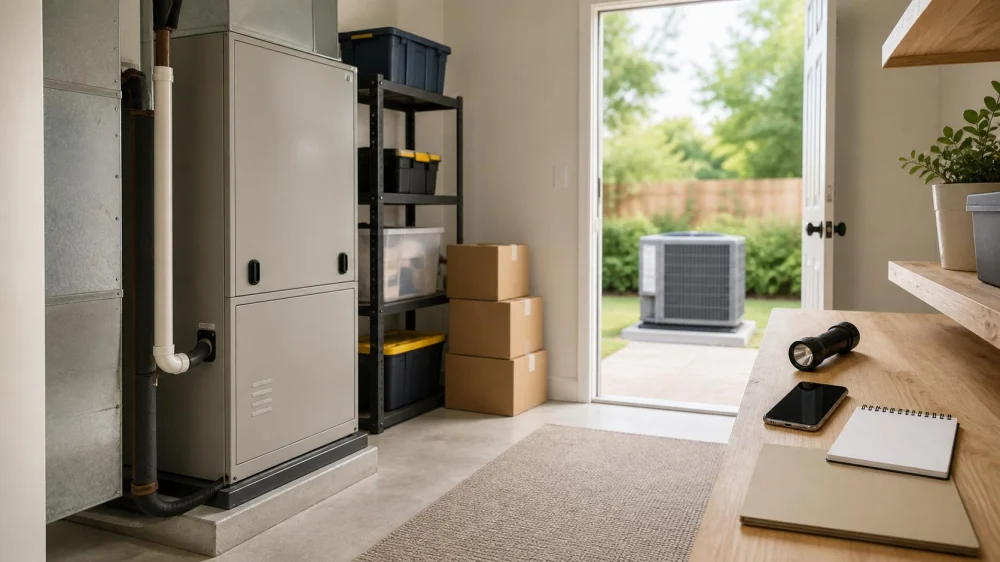
Move stored boxes, laundry, furniture, and yard items away from normal service paths. Provide stable lighting and keep stairs and floors dry. Unlock gates and identify attic, crawlspace, or roof access in advance, but let the company decide what trained access and protective equipment are required.
Trim only ordinary vegetation that can be handled safely; do not reach into the outdoor unit. Keep children and pets away from work areas and tell the technician about alarms, cameras, fragile landscaping, or restricted rooms.
Gather system information
- Find existing equipment model and serial information without removing panels.
- Collect installation records, previous invoices, and maintenance history.
- Locate warranty or home-service plan documents.
- Record the current filter size and last replacement date.
- List all equipment serving the zone, including thermostats and accessories.
- Identify who can approve work and the preferred contact method.
Do not rely on memory for a complicated repair history. A one-page summary helps the technician focus the visit.
Ask before work begins
Confirm the diagnostic charge, what it includes, whether it applies toward repairs, and when you will receive an estimate. Ask whether the technician can perform repairs immediately or needs separate authorization and parts. Clarify overtime, travel, refrigerant, disposal, permit, and return-visit charges where relevant.
Request a written diagnosis that distinguishes observed failure, recommended repair, optional improvement, and uncertainty. Ask what testing will confirm the repair.
During and after the visit
Give the technician room to work and avoid entering hazardous areas. Before approving additional work, review the scope, price, warranty, schedule, and alternatives. If the system must remain off, ask for safe temporary comfort guidance appropriate to household members and weather.
After completion, confirm operating readings were checked, panels and disconnects are secure, drains and work areas are clean, settings are restored, and the invoice identifies parts and labour. Save the report with photos and warranty documents.
Important limitations
This is general U.S. service-planning guidance, not HVAC, electrical, contract, or warranty advice. Company practices, licensing, refrigerant rules, permits, equipment, and consumer protections vary. Immediate fire, electrical, gas, or medical risk requires the appropriate emergency service.
Evidence notes
The checklist improves diagnostic context and reduces avoidable access delays. Separating symptom history, physical access, system records, authorization, and completion verification makes it easier to evaluate what the visit actually accomplished.
FAQ
Should I clean the unit before the visit?
Clear ordinary clutter, but do not wash, open, or alter equipment in a way that hides evidence or creates risk.
Should I run the AC so the technician can see the problem?
Only if no stop-use warning sign is present and the service company advises it.
Do I need to be home?
Ask the company. An authorized adult may need to provide access, describe symptoms, and approve work.
Can I request old parts?
Ask before repair; safety, warranty, core-return, and disposal rules may affect whether they can be left.
What if the problem is intermittent?
Provide dates, conditions, recordings, and patterns, and ask what monitoring or follow-up is appropriate.
Next steps
Make a one-page symptom timeline, clear the service paths, secure pets, collect system records, and confirm diagnostic and authorization terms with the AC company before the appointment.
 Service By Shawn HVAC4.0 (123 reviews)
 Wilson Heating, Air & Plumbing, now part of A-Star Air Conditioning, Plumbing & Electric3.0 (44 reviews)
 A-1 Heating & Cooling4.0 (167 reviews)
 Rocky Mount Heating & Air Conditioning4.0 (14 reviews)
 J Mechanical Air Conditioning Services LLC4.0 (59 reviews)
 Legend Air & Electric4.0 (162 reviews)
 10 Signs It's Time to Fix Your AC Unit
 How to Clean Your Air Conditioner to Improve Performance
 How to Troubleshoot an Air Conditioner That’s Not Blowing Cold Air
 What to Do When You Need Someone to Fix Your Air Conditioner Immediately
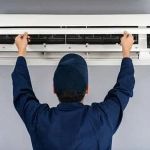 Everything You Need to Know Before You Fix Your Air Conditioner
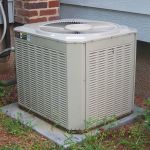 Air Conditioner Troubleshooting: How to Identify a Faulty Condenser Fan