
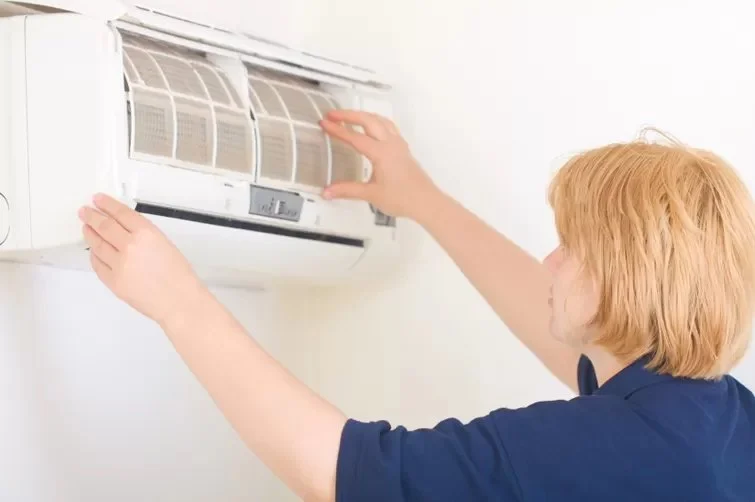
- 1-understanding-your-ac-system-and-components
- 2-common-ac-problems-homeowners-face
- 3-essential-tools-for-ac-repair-and-maintenance
- 4-regular-maintenance-tips-to-prevent-failures
- 5-troubleshooting-low-cooling-or-weak-airflow
- 6-identifying-and-fixing-refrigerant-issues
- 7-checking-and-replacing-air-filters-properly
- 8-cleaning-coils-and-maintaining-efficiency
- 9-electrical-components-inspection-and-safety
- 10-handling-fan-and-motor-issues
- 11-dealing-with-drainage-and-condensation-problems
- 12-professional-repair-vs-diy-tips
- 13-energy-saving-tips-during-ac-operation
- 14-real-life-homeowner-experiences-and-case-studies
1. Understanding Your AC System and Components
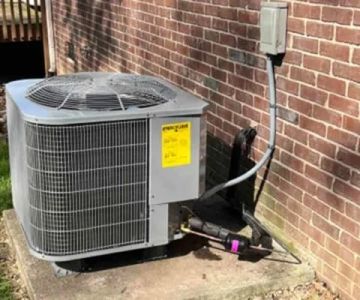
Before attempting any repairs or maintenance, homeowners should understand the key components of their air conditioner system. This includes the compressor, evaporator coil, condenser coil, fan motor, and thermostat. Understanding these components helps in diagnosing issues effectively and applying the right repair tips.

Silver Spur Air, Heating, & Plumbing of Austin
Round RockWilliamson CountyTexas
3912 Gattis School Rd #103, Round Rock, TX 78664, USA
1.1 How the AC System Works
The air conditioner works by circulating refrigerant through the system, absorbing heat from your indoor air, and releasing it outside. The fan motor pushes air over the coils to cool your home efficiently. Knowing the function of each component allows you to identify potential issues early.

2. Common AC Problems Homeowners Face
Homeowners often encounter several recurring problems with their AC units:
- Weak or inconsistent airflow.
- Unusual noises like buzzing, rattling, or grinding.
- Higher energy bills due to inefficient operation.
- Water leakage around the indoor unit.
- Failure to start or frequent cycling on and off.
Recognizing these signs early helps in applying preventive measures and repair tips before major failures occur.
3. Essential Tools for AC Repair and Maintenance
To perform effective AC maintenance and minor repairs, homeowners should keep some essential tools on hand:
- Multimeter for electrical testing.
- Screwdrivers and socket set for disassembly.
- Fin comb for straightening coil fins.
- Vacuum or coil cleaner for removing dust and debris.
- Replacement parts like filters, fuses, and capacitors.
4. Regular Maintenance Tips to Prevent Failures
Routine maintenance is crucial to avoid costly repairs. Key tips include:
4.1 Schedule Seasonal Checks
Check your AC system before peak summer months. Inspect for loose connections, clean the coils, and test system performance.
4.2 Clean or Replace Filters
Dirty filters reduce airflow and increase strain on the system. Replace or clean filters every 1–3 months depending on usage.
4.3 Keep the Outdoor Unit Clear
Ensure the condenser unit is free from leaves, grass, and debris. Proper airflow improves efficiency and prevents overheating.
5. Troubleshooting Low Cooling or Weak Airflow
When your AC produces weak airflow or doesn’t cool effectively, consider these repair tips:
- Check the air filter for dirt accumulation.
- Inspect ducts for leaks or blockages.
- Examine the blower motor and fan for proper operation.
- Ensure thermostat settings are correct and functional.
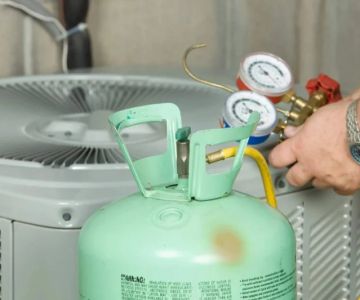
6. Identifying and Fixing Refrigerant Issues
Low refrigerant levels reduce cooling performance. Homeowners should look for:
- Ice buildup on the evaporator coil.
- Hissing sounds indicating a refrigerant leak.
- Warm air despite correct fan operation.
Recharging refrigerant or repairing leaks is often best handled by a professional to comply with regulations. Ac Fix offers guidance and professional support for refrigerant-related repairs.
7. Checking and Replacing Air Filters Properly
Filters prevent dust and allergens from circulating indoors. Homeowners should:
- Remove the filter and inspect for dirt accumulation.
- Wash reusable filters or replace disposable ones as needed.
- Ensure filters are installed correctly to maintain proper airflow.
8. Cleaning Coils and Maintaining Efficiency
Dirty evaporator or condenser coils reduce cooling efficiency. Tips include:
- Use a soft brush or vacuum to remove dust.
- Apply a coil cleaner for stubborn grime.
- Check that coil fins are straight and undamaged.
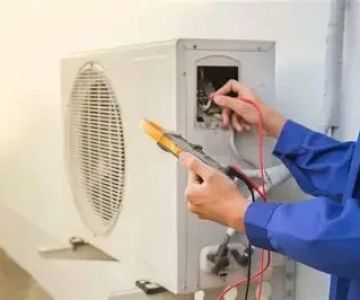
9. Electrical Components Inspection and Safety
Electrical issues are a common cause of AC failure. Homeowners should:
- Turn off power before inspection.
- Check wiring for wear, corrosion, or loose connections.
- Test capacitors, fuses, and breakers for proper function.
10. Handling Fan and Motor Issues
Fan and motor problems often cause reduced airflow. Homeowners can:
- Inspect fan blades for damage or obstruction.
- Lubricate motor bearings if applicable.
- Replace worn-out or burnt-out motors following manufacturer guidelines.
11. Dealing with Drainage and Condensation Problems
Clogged condensate drains can cause water leakage. Repair tips include:
- Use a wet/dry vacuum to clear drain lines.
- Ensure the drain pan is intact and properly aligned.
- Clean the pan regularly to prevent mold growth.
12. Professional Repair vs. DIY Tips
While many maintenance tasks can be handled by homeowners, certain repairs require professional attention:
- Refrigerant handling and leak repair.
- Major compressor or fan motor replacement.
- Complex electrical diagnostics.
Ac Fix provides reliable professional services, ensuring repairs are compliant with safety standards and efficiently performed.
13. Energy-Saving Tips During AC Operation
Efficient operation not only saves money but extends the life of your AC system:
- Set thermostats at optimal temperatures, usually 78°F during summer.
- Use ceiling fans to circulate cooled air.
- Seal ducts and windows to prevent cool air loss.
- Schedule routine maintenance to prevent energy-wasting inefficiencies.
14. Real-Life Homeowner Experiences and Case Studies
One homeowner in Texas noticed high energy bills and inconsistent cooling. After following maintenance tips from Ac Fix—including filter replacement, coil cleaning, and fan motor inspection—the system returned to efficient operation, and energy costs decreased by 20%.
Another example involved a Florida homeowner experiencing water leakage. Clearing the condensate drain and realigning the pan resolved the issue, preventing potential water damage and mold growth.
By applying these practical AC repair tips, homeowners can maintain system efficiency, extend the lifespan of their air conditioner, and enjoy comfortable living environments. For further guidance and professional support, Ac Fix provides expert advice, repair services, and replacement solutions tailored to your home’s AC system.
 Riley electrical service ELECTRICAL REFIGERATION,HEATING & COOLING5.0 (35 reviews)
 Majestic AC4.0 (1407 reviews)
 Snappy Services - Electric, Plumbing, Heating & Air4.0 (1660 reviews)
 Air Comfort of KY4.0 (335 reviews)
 David White Services4.0 (216 reviews)
 Air Support Cooling and Heating, LLC5.0 (206 reviews)
 Can You Fix Central Air Conditioning Unit Without Replacing the Entire System?
 Who Should You Trust When You Need to Air Conditioning Replace? Tips and Advice
 How Long Should It Take to Fix My Air Conditioner? | Tips for Fast AC Repair
 Avoid These Common Mistakes When Trying to Get Your AC Fixed
 10 Signs It's Time to Ask: Who Can Fix My AC?
 Why Your Air Conditioner Is Running Too Much and How to Fix It