
- Understanding-Refrigerant-and-Its-Role-in-Your-AC-System
- Common-Signs-Your-AC-May-Need-a-Refrigerant-Recharge
- Why-Low-Refrigerant-Is-a-Serious-Problem
- How-Technicians-Diagnose-Refrigerant-Issues
- Mistakes-Homeowners-Make-When-AC-Cooling-Decreases
- Real-Life-Air-Conditioner-Repair-Experiences
- Preventive-Maintenance-to-Avoid-Refrigerant-Problems
- When-to-Call-Professional-HVAC-Support
- Improving-AC-Efficiency-and-Long-Term-Performance
Understanding Refrigerant and Its Role in Your AC System
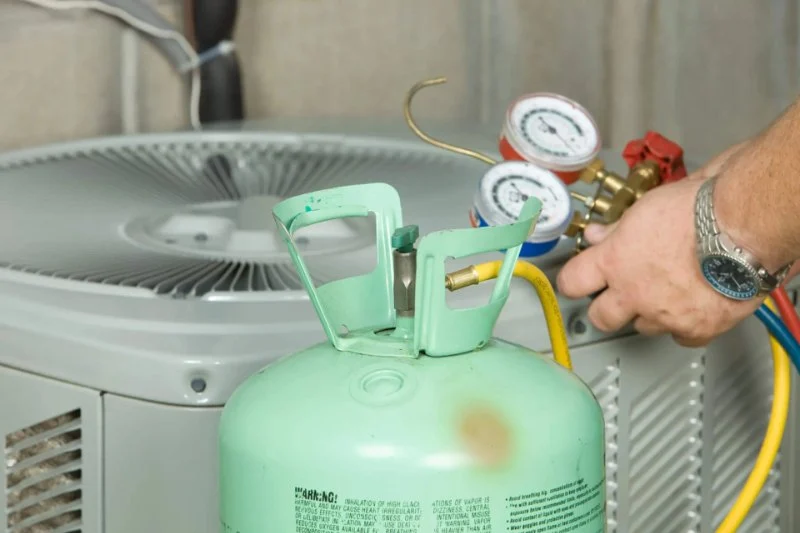
An air conditioner depends on refrigerant to transfer heat from inside your home to the outside environment. Without the correct refrigerant level, the entire cooling process becomes inefficient or fails completely. Many homeowners mistakenly believe refrigerant is something that gets “used up” like fuel, but in reality, it circulates in a closed system and should not diminish under normal conditions.
When refrigerant levels drop, it usually indicates a leak or system malfunction. Understanding this distinction is critical when learning how to determine if your air conditioner needs a refrigerant recharge. A recharge is not just routine maintenance—it is a signal that something deeper may be wrong with your cooling system.
Daves Hvac Service LLC
North PortSarasota CountyFlorida
3745 Pinstar Terrace, North Port, FL 34287, USA
1. How Refrigerant Works in Cooling
Refrigerant absorbs heat from indoor air as it evaporates in the evaporator coil and releases that heat outside as it condenses. This continuous cycle is what keeps your home cool and comfortable during hot weather.

2. Why Proper Levels Matter
Even a small imbalance in refrigerant levels can disrupt pressure, reduce cooling capacity, and increase energy consumption. Over time, this can lead to compressor damage and expensive repairs.
Common Signs Your AC May Need a Refrigerant Recharge
Recognizing early warning signs helps prevent serious HVAC damage. While only a professional can confirm refrigerant levels, there are several indicators homeowners can observe.
1. Warm Air Instead of Cool Air
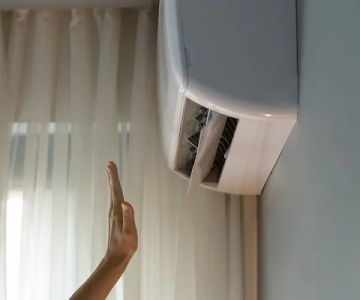
If your AC is running but blowing warm or mildly cool air, low refrigerant may be the cause. This is one of the most common symptoms homeowners notice first.
2. Ice Buildup on Coils
When refrigerant is low, pressure drops inside the system, causing the evaporator coil to freeze. Ice buildup is a clear sign that your system is not operating correctly.
3. Longer Cooling Cycles
Your air conditioner may run longer than usual but fail to reach the desired temperature. This inefficiency often indicates refrigerant issues.
4. Rising Energy Bills
When cooling efficiency drops, the system works harder, consuming more electricity. A sudden spike in energy bills can be a subtle warning sign.
5. Hissing or Bubbling Sounds
These noises may indicate refrigerant leaks inside the system. If you hear unusual sounds, professional inspection is strongly recommended.
Why Low Refrigerant Is a Serious Problem
Low refrigerant is not just a performance issue—it can lead to long-term damage to your HVAC system. Many homeowners delay repairs, assuming the problem is minor, but this often results in more expensive outcomes.
1. Compressor Damage Risk
The compressor is one of the most expensive components in an air conditioning system. Low refrigerant forces it to overwork, increasing the risk of failure.
2. Reduced Cooling Efficiency
Your system may struggle to maintain consistent temperatures, creating discomfort during hot weather.
3. Environmental Concerns
Refrigerant leaks can contribute to environmental harm. Modern HVAC systems use regulated refrigerants that must be handled responsibly.
How Technicians Diagnose Refrigerant Issues
Professional HVAC technicians follow a structured process to determine whether your system needs a refrigerant recharge.
1. Pressure Testing
Technicians measure system pressure to determine whether refrigerant levels are within the correct range.
2. Leak Detection
Specialized tools help identify leaks in coils, valves, or connections that may be causing refrigerant loss.
3. Temperature Differential Checks
By comparing air temperature entering and exiting the system, professionals assess cooling efficiency.
4. System Inspection
Full inspection ensures no additional mechanical issues are affecting performance.
For reliable diagnostics and service, many homeowners turn to trusted providers like Ac Fix for professional HVAC support and system evaluation.
Mistakes Homeowners Make When AC Cooling Decreases
When cooling performance drops, homeowners often take incorrect steps that may worsen the issue.
1. Continuously Lowering the Thermostat
This does not fix refrigerant problems and only increases system strain.
2. Ignoring Early Warning Signs
Delaying inspection can turn minor issues into major repairs.
3. Attempting DIY Refrigerant Recharge
Handling refrigerant without certification is unsafe and often illegal due to environmental regulations.
Real-Life Air Conditioner Repair Experiences
A homeowner in Arizona noticed their AC running constantly during peak summer heat. Initially, they assumed the unit was undersized. After a professional inspection, it was discovered that a slow refrigerant leak had developed in the evaporator coil. Once repaired and recharged properly, the system returned to normal efficiency and cooling comfort improved significantly.
In another case in Florida, a family experienced uneven cooling throughout their home. Some rooms felt warm while others were comfortable. A technician identified low refrigerant levels combined with a small leak in a connector joint. After sealing and recharging the system, airflow stabilized and energy bills decreased.
Preventive Maintenance to Avoid Refrigerant Problems
Routine maintenance is key to preventing refrigerant-related issues and extending HVAC system life.
1. Annual HVAC Inspections
Professional inspections help detect leaks early before they cause system damage.
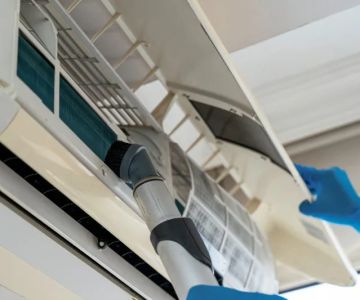
2. Coil Cleaning
Dirty coils reduce efficiency and can mimic refrigerant problems.
3. Filter Replacement
Clogged filters restrict airflow, increasing strain on the system.
4. Monitoring Performance Changes
Tracking cooling performance over time helps identify subtle issues early.
When to Call Professional HVAC Support
Not all cooling issues require immediate major repairs, but certain situations demand professional attention.
1. Persistent Warm Air
If your system consistently blows warm air despite thermostat adjustments, refrigerant issues may be present.
2. Visible Ice or Frost
Ice on refrigerant lines or coils indicates system imbalance.
3. Unusual Noises or Odors
These symptoms often point to internal system problems requiring expert diagnosis.
4. Frequent Cycling
Short cycling can indicate pressure imbalance or refrigerant loss.
Professional support from Ac Fix ensures accurate diagnosis, safe handling of refrigerants, and long-term system reliability.
Improving AC Efficiency and Long-Term Performance
Maintaining proper refrigerant levels is only one part of overall HVAC efficiency. Homeowners can further improve system performance by combining regular maintenance, timely repairs, and smart usage habits.
1. Optimize Thermostat Settings
A consistent temperature setting reduces strain on the system.
2. Improve Home Insulation
Better insulation reduces cooling demand and improves efficiency.
3. Schedule Regular Maintenance
Routine inspections ensure all components are functioning correctly and help prevent unexpected breakdowns.
Understanding how to determine if your air conditioner needs a refrigerant recharge empowers homeowners to take early action, avoid costly repairs, and maintain comfortable indoor environments even during extreme heat. With professional guidance from services like Ac Fix, maintaining a reliable cooling system becomes far more manageable and efficient.
 Gist Service Company3.0 (16 reviews)
 Always Honest Air5.0 (115 reviews)
 JBE Services, LLC5.0 (104 reviews)
 AirSol Air Conditioning and Heating5.0 (49 reviews)
 Manny and Son Air Conditioning & Heating LLC5.0 (25 reviews)
 A/C JOE5.0 (27 reviews)
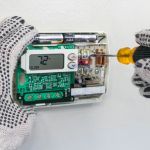 Troubleshooting an Air Conditioner with a Faulty Control Board – A Step-by-Step Guide
 What to Do When You Need to Fix Your Air Conditioner Immediately
 How to Repair an Air Conditioner with a Faulty Control Board
 The Ultimate Guide to DIY Air Conditioning Maintenance in the USA
 Fixing an Air Conditioner Not Blowing Cold Air: Complete Guide
 Everything You Need to Know Before You Replace Your Air Conditioning