
- Power Supply and Breaker Issues - Electrical interruptions and safety checks
- Thermostat Malfunctions - Settings, calibration, and hidden configuration errors
- Capacitor and Electrical Component Failures - Startup failures and warning signs
- Airflow Restrictions and Filter Problems - Overheating prevention and system protection
- Outdoor Unit and Compressor Issues - Mechanical failure indicators
- Drainage and Safety Switch Activation - Moisture protection shutdown systems
- Wiring, Contactors, and Internal Control Failures - Hidden electrical disruptions
- Real-Life HVAC Failure Cases and Diagnostic Insights - Practical homeowner experiences
- Professional Repair Guidance and Maintenance Strategy - Long-term prevention and service decisions
Power Supply Interruptions and Why Your Cooling System Refuses to Start
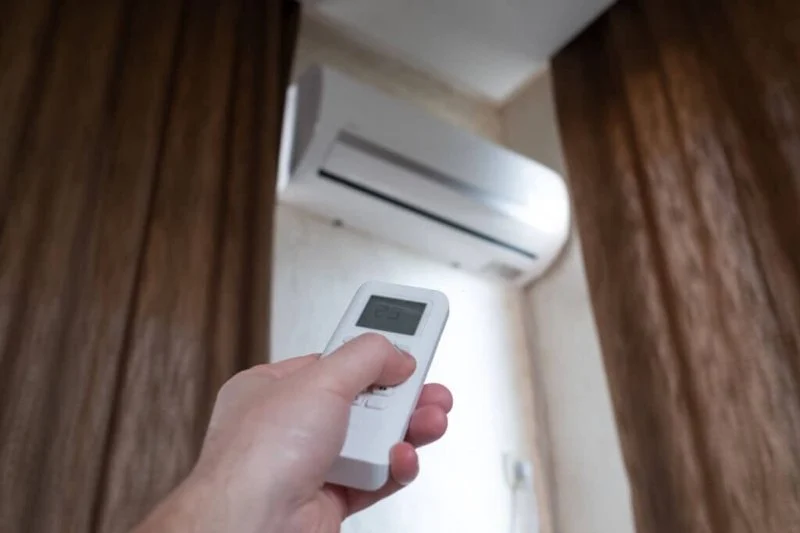
One of the most overlooked reasons an air conditioning system refuses to turn on is something surprisingly simple: a disrupted power supply. In many homes across the United States, especially during peak summer months when electrical demand spikes, breakers can trip without warning. Homeowners often assume the system has failed entirely, when in reality the issue begins at the electrical panel.
Modern HVAC systems are designed with built-in protection mechanisms. If voltage fluctuates or if the system detects an unsafe load, it may shut down completely. This protective shutdown is often misinterpreted as a serious malfunction. In many cases, resetting a tripped breaker restores normal operation immediately. However, repeated tripping signals deeper electrical instability that should not be ignored.
A common scenario occurs when homeowners plug in multiple high-energy appliances while the air conditioner is running. The sudden load imbalance causes the system to shut off for safety. In older homes with outdated electrical panels, this situation is even more frequent. Understanding this connection between household power distribution and HVAC performance is crucial for preventing unnecessary repair anxiety.
Thermostat Miscommunication and Hidden Configuration Problems
The thermostat acts as the command center of your cooling system. When it fails to communicate correctly, the entire system can appear dead. Surprisingly, many service calls in residential HVAC repair are traced back to incorrect thermostat settings rather than mechanical failure.
One subtle issue involves incorrect mode selection. Homeowners may accidentally switch from “cool” to “heat” or “off,” especially with programmable or smart thermostats. Another overlooked factor is battery depletion in digital thermostats, which can silently prevent system activation without any obvious warning signs.
In newer smart home systems, connectivity issues between Wi-Fi networks and HVAC controllers can interrupt signals. A homeowner in Texas once reported that their cooling system stopped working for days, only to discover that a router firmware update had disrupted communication with the thermostat. Once reset, the system immediately returned to normal operation.
Calibration drift is another subtle issue. Over time, thermostats may misread room temperature, causing delayed or absent activation signals. This creates confusion because the system appears functional but never receives the proper trigger to start cooling.
Capacitor Failure and Electrical Startup Breakdown
Inside every air conditioning system lies a small but critical component known as the capacitor. Its role is to provide the initial electrical boost needed to start the compressor and fan motors. When this component begins to fail, the system may remain completely unresponsive.
A failing capacitor often reveals itself through subtle symptoms before total breakdown. Homeowners may notice humming sounds from the outdoor unit without actual startup. In other cases, the system may attempt to start repeatedly but fail each time. These warning signs are often ignored until the unit stops working entirely.
Heat exposure is a major factor in capacitor degradation. In regions with prolonged summer heat waves, HVAC systems operate under extreme conditions, accelerating wear. A technician in Arizona once noted that capacitor replacements increased significantly during a record-breaking heat season, highlighting how environmental conditions directly affect electrical components.
Airflow Restrictions and the Silent System Shutdown Effect
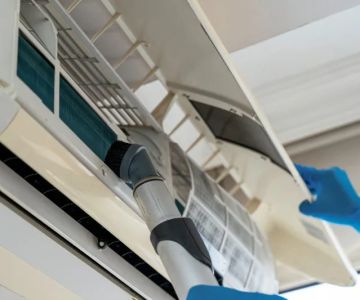
Restricted airflow is another hidden cause behind system failure. When air cannot circulate properly, the system may overheat and shut itself down as a protective measure. This is often caused by clogged filters, blocked vents, or accumulated dust within the ductwork.
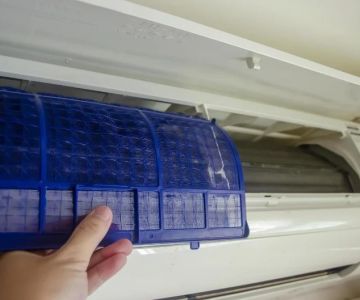
Many homeowners underestimate the importance of routine filter replacement. A neglected filter not only reduces cooling efficiency but also places strain on the blower motor. Over time, this strain can lead to system shutdowns that mimic more serious mechanical failures.
There was a reported case in Florida where a family experienced repeated cooling interruptions. After multiple service checks, the issue was traced back to a filter that had not been changed in over a year. Once replaced, the system resumed normal operation immediately, demonstrating how minor neglect can lead to major discomfort.
Outdoor Unit Complications and Compressor Health Signals
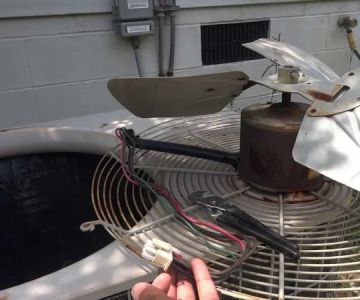
The outdoor condenser unit plays a central role in heat exchange. When it malfunctions, the entire cooling cycle collapses. One of the most serious issues involves compressor failure, which often requires professional diagnosis.
Compressor problems may present as unusual noises, frequent cycling, or complete inactivity. However, not all compressor-related issues mean permanent damage. Electrical faults, contactor failures, or overheating can mimic compressor failure symptoms.
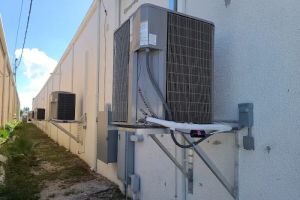
Environmental exposure also contributes to outdoor unit issues. Debris such as leaves, dirt, and even insect nests can obstruct airflow and reduce efficiency. In suburban neighborhoods, it is not uncommon for outdoor units to be partially blocked by landscaping elements that were planted too close to the system.
Condensate Drain Safety Systems and Unexpected Shutdowns
Modern HVAC systems include safety mechanisms designed to prevent water damage. One such feature is the condensate drain switch, which shuts the system off when moisture accumulation is detected. While this protects the home, it can also create confusion when the system suddenly stops working.
Blocked drain lines are a common cause of this shutdown. Over time, algae and debris can accumulate inside the drainage pipe, triggering the safety switch. Homeowners often mistake this for a major mechanical failure, when in fact it is a preventive response.
Regular maintenance of drainage systems helps prevent unexpected interruptions. In humid regions, this issue is particularly common and should be part of seasonal HVAC servicing routines.
Internal Wiring and Control Failures That Hide Beneath the Surface
Not all HVAC issues are visible. Some of the most frustrating problems occur deep within the system’s wiring and control board. Loose connections, corroded terminals, or failing relays can interrupt communication between components.
These types of failures are often intermittent, making them difficult to diagnose without professional tools. A system may work one day and fail the next, creating confusion for homeowners who assume the issue is resolved.
In older homes, wiring degradation is more common due to long-term exposure to heat and humidity. Electrical contact points weaken over time, leading to inconsistent system performance.
Real Home Experiences and Unexpected HVAC Breakdowns
A homeowner in California once shared a situation where their air conditioning system stopped working during a heatwave. After checking the thermostat, breaker, and filters without success, they prepared for an expensive replacement. However, a technician later discovered a single loose wire inside the control panel. The repair took less than thirty minutes and restored full functionality.
Another case in New York involved a newly installed system that refused to start on hot afternoons. After multiple service visits, the issue was traced to voltage fluctuations in the neighborhood grid. Installing a stabilizing component resolved the issue permanently.
These examples highlight how HVAC problems often appear more severe than they actually are. Proper diagnosis is essential before assuming system failure.
Professional HVAC Guidance and Long-Term System Care Strategy
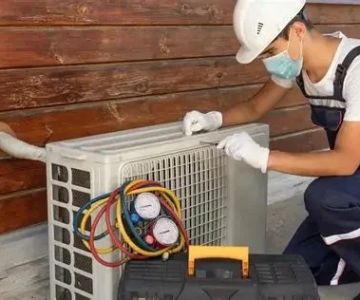
While some air conditioning issues can be resolved through basic troubleshooting, many require trained expertise. Electrical components, refrigerant systems, and compressor diagnostics involve safety risks that should not be handled without proper tools and knowledge.
Regular maintenance remains the most effective way to prevent unexpected shutdowns. Seasonal inspections, filter replacements, and electrical checks significantly reduce the likelihood of sudden failures.
For homeowners seeking reliable support, Ac Fix provides professional HVAC solutions designed to diagnose and resolve system issues efficiently. Whether it is electrical failure, airflow restriction, or compressor troubleshooting, professional assistance ensures that problems are addressed correctly the first time, reducing long-term repair costs and restoring comfort quickly.
Preventive care not only extends the lifespan of the system but also improves energy efficiency, helping homeowners maintain stable cooling performance during peak demand seasons.
 Complete Air Services5.0 (7 reviews)
 Hall's Heating, Air Conditioning & Refrigeration3.0 (28 reviews)
 Palmetto Air Care5.0 (3 reviews)
 Energy Pro Heating & Cooling4.0 (483 reviews)
 ACR Air Conditioning & Heating Inc.4.0 (24 reviews)
 Bounds Heating & Air5.0 (2 reviews)
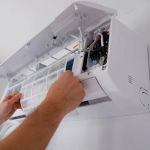 How to Extend the Life of Your Air Conditioner with These Easy Fixes
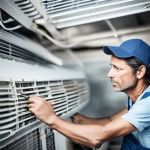 How to Fix Your AC Without Spending a Fortune: Expert Tips & DIY Solutions
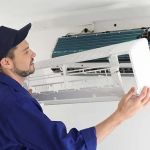 Experts Explain How to Fix Air Conditioning Like a Pro
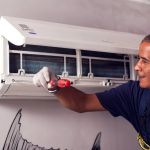 Why Your AC is Running But Not Cooling – And How to Fix It
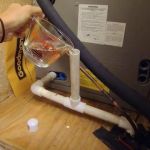 How to Fix Air Conditioner Drain Line Clogs and Prevent Water Damage
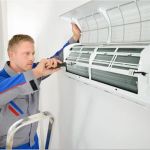 What to Do When You Need to Fix Air Conditioner Immediately