
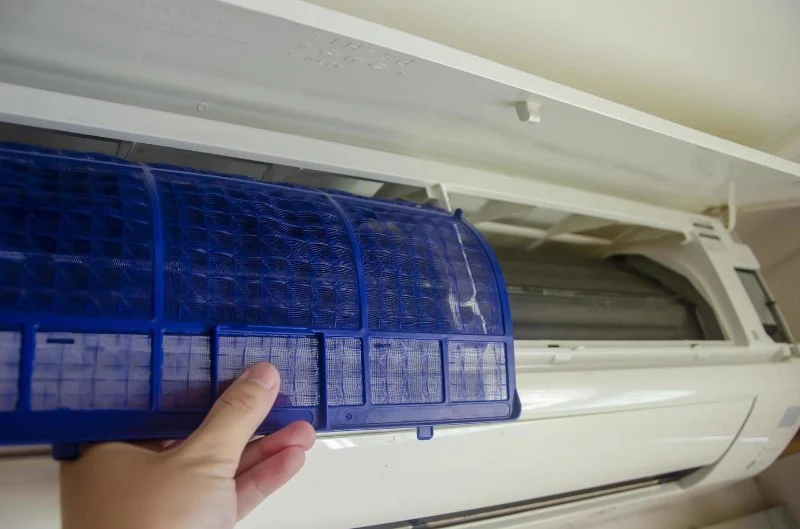
Why Regular AC Filter Replacement Matters
The air filter in your air conditioning system plays a vital role in both system performance and indoor air quality. Acting as a barrier against dust, pollen, and other particles, it ensures that your HVAC system runs efficiently while keeping your living space healthy. Over time, filters accumulate debris, which restricts airflow and forces the AC unit to work harder to maintain desired temperatures.
Neglecting regular filter replacement can lead to reduced energy efficiency, uneven cooling, frozen evaporator coils, and increased wear on mechanical components. In extreme cases, dirty filters contribute to water leaks, mold growth, and higher utility bills. A homeowner in Arizona noticed a sudden spike in energy costs and uneven cooling in their two-story house. After inspection, the culprit was a heavily clogged filter that had gone unchecked for nearly six months. Replacing the filter immediately restored proper airflow and lowered energy usage by 15%.
Regular filter replacement isn’t just about comfort—it is a preventive measure that directly affects the longevity of your AC system and the quality of your home environment.
Signs Your Air Conditioner Needs Filter Replacement
Being proactive means recognizing early warning signs of a filter in need of replacement. While some signs are obvious, others can subtly impact system performance over time.
1. Reduced Airflow from Vents
A noticeable drop in airflow indicates that dust and debris are obstructing the filter. This restriction forces the AC unit to work harder, potentially leading to overheating or premature failure of internal components.
2. Increased Energy Bills
If your energy consumption rises without a corresponding increase in usage, it could be due to a dirty filter. The system requires more electricity to maintain the same cooling output.
3. Uneven Cooling Throughout the Home
Some rooms may feel warmer than others because airflow is unevenly distributed. This imbalance often points to a clogged or misaligned filter restricting proper ventilation.
4. Visible Dust Accumulation on Vents
When you notice excessive dust around vents or in the return air grille, it is a sign the filter is no longer effectively capturing particles. Ignoring this reduces air quality and increases the likelihood of respiratory irritants circulating throughout your home.
Step-by-Step Guide to Replacing AC Filters Safely
Replacing your AC filter is straightforward but requires careful attention to maintain system efficiency and safety. Here’s a structured approach that ensures optimal results.
Step 1: Turn Off Your AC Unit
Safety first: always turn off your air conditioner at the thermostat before accessing the filter. This prevents accidental activation and ensures you aren’t working around moving parts.
Step 2: Locate the Filter Slot
Most residential systems have the filter located near the return air duct or inside the blower compartment. Check your system’s user manual if you are unsure.
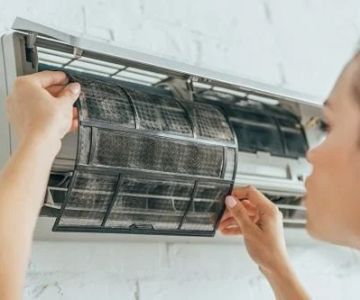
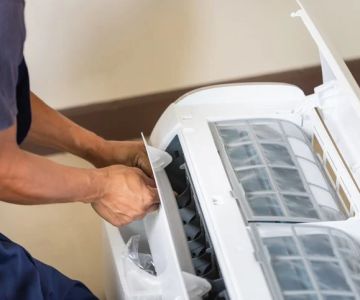
Step 3: Remove the Old Filter
Carefully slide out the old filter, avoiding shaking or dispersing accumulated dust. Examine its condition to understand how quickly it became clogged, which helps establish a future replacement schedule.
Step 4: Choose the Correct Replacement Filter
Filters vary by size, efficiency rating (MERV), and type (pleated, fiberglass, HEPA). Select one compatible with your system and designed to balance airflow with particulate capture.
Step 5: Install the New Filter Properly
Insert the new filter with the airflow arrows pointing in the direction of airflow. A misaligned filter can reduce efficiency and increase system strain.
Step 6: Schedule Regular Replacements
Depending on your usage, climate, and indoor air quality, replace filters every 30–90 days. Homes with pets or high dust levels may require more frequent changes.
Additional Preventive Strategies for AC Health
Filter replacement is the cornerstone of AC maintenance, but other practices enhance system longevity and performance.
Clean Coils and Condensate Pans
Dust and debris on evaporator coils reduce heat transfer efficiency. Periodically clean the coils and ensure the condensate pan is free of standing water to prevent mold and leaks.
Inspect Ductwork for Leaks
Leaky ducts reduce cooling efficiency and allow dust and humidity to enter your home. Sealing ducts with proper insulation improves airflow and energy efficiency.
Monitor Thermostat and System Performance
Regularly check that the thermostat is accurately reading temperatures and the system cycles correctly. Irregular cycles may indicate underlying issues needing professional evaluation.
Keep the Area Around the AC Unit Clear
Remove obstacles around indoor and outdoor units. Proper airflow is essential for efficiency and avoiding premature component wear.
Professional HVAC Checks and When to Call Ac Fix
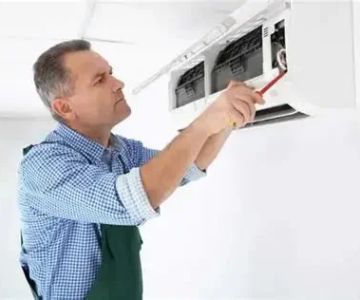
Even with diligent maintenance, certain issues require professional expertise. Annual inspections from licensed HVAC technicians catch potential problems early and extend system lifespan.
When to Call Ac Fix
If your AC exhibits persistent leaks, unusual noises, uneven cooling, or electrical issues despite regular filter maintenance, consult professionals. They provide advanced cleaning, repair, and component replacement services that prevent small issues from escalating into costly repairs.
For homeowners seeking reliable advice, high-quality filters, and professional services, Ac Fix offers comprehensive support to ensure your AC system runs efficiently and avoids preventable problems throughout the year.
 One Way Air5.0 (784 reviews)
 BG Diesel Performance LLC4.0 (13 reviews)
 Hamer Heating & Cooling Inc4.0 (37 reviews)
 Universal AC Repair Saint Cloud5.0 (7 reviews)
 Deane Electric & Air Conditioning, LLC4.0 (358 reviews)
 SERVPRO of Abilene4.0 (61 reviews)
 How to Get My AC Fixed Like a Pro
 Who Should You Trust When You Need to Fix Air Conditioner?
 Who Can Fix My Air Conditioner for Homeowners in 2025 | Ac Fix
 How to Fix an Air Conditioner That Keeps Shutting Off
 How Long Should It Take to Fix My AC? - Expert Repair Timeframes
 How to Fix a Noisy Air Conditioner that Keeps Buzzing