
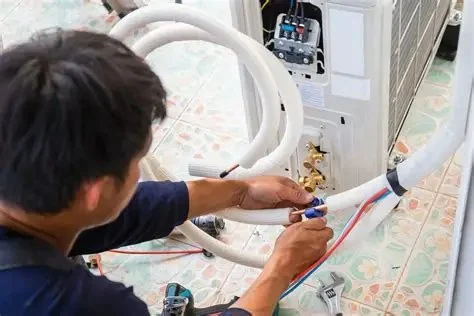
What to Do When You Need to Fix Your AC Condenser Immediately
During the hottest months of the year, your air conditioning system becomes a critical part of your home’s comfort. However, like all machinery, air conditioners can encounter issues, particularly with the condenser. When your AC condenser stops working, it’s crucial to address the problem immediately to prevent further damage and maintain cooling efficiency. In this article, we’ll guide you through the steps to take when you need to fix your AC condenser right away.
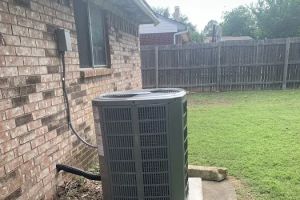
Paschal Air, Plumbing & Electric
7120 W Interstate 20, Arlington, TX 76017, USA
1. Identify Common AC Condenser Problems
The first step in addressing a malfunctioning AC condenser is identifying the issue. Some common problems include:
- Dirty coils: Over time, the condenser coils can accumulate dirt and debris, reducing their ability to release heat.
- Refrigerant leaks: Low refrigerant levels can cause your system to fail, as the refrigerant is essential for heat exchange.
- Electrical failures: Electrical issues, such as a faulty capacitor or relay, can prevent the condenser from starting or running properly.
- Blocked airflow: If the condenser is obstructed by debris, leaves, or other objects, airflow will be restricted, affecting performance.
Once you identify the problem, you can determine if it’s something you can fix yourself or if professional help is required.
2. Turn Off the Power to Your AC System
If you suspect that your AC condenser is malfunctioning, the first thing you should do is turn off the power to the system. This will prevent any further damage and reduce the risk of electrical hazards. Always locate and switch off the power supply to your HVAC system before attempting any repairs. This is especially important if you’re dealing with electrical problems in the condenser.
3. Clean the Condenser Coils
If dirty condenser coils are the issue, cleaning them is a relatively simple task that you can handle yourself. Here’s how:
- Turn off the AC unit: Always switch off the system before starting the cleaning process.
- Remove debris: Clear the area around the condenser unit, removing any leaves, dirt, or obstructions that may have accumulated.
- Clean the coils: Use a soft brush or a vacuum to clean the condenser coils gently. Be careful not to bend or damage the delicate fins.
- Rinse the coils: If needed, you can use a garden hose to gently rinse off any remaining dirt or grime, but avoid using high-pressure water.
Cleaning the coils can improve airflow and efficiency, allowing your AC system to cool more effectively. However, if the coils are severely damaged, professional repair may be necessary.
4. Check the Refrigerant Levels
If your system is low on refrigerant, it may struggle to cool your home effectively. Unfortunately, checking refrigerant levels and recharging the system typically requires professional assistance. If you suspect a refrigerant leak or notice your AC is blowing warm air, it’s best to contact a licensed technician to address the issue. Attempting to fix refrigerant problems on your own can be dangerous and is often illegal without the proper certification.
5. Examine the Electrical Components
Electrical problems in your AC condenser could include a blown fuse, a faulty capacitor, or an issue with the thermostat. To inspect these components:
- Check the fuse: A blown fuse can cause the system to stop working. Replace any blown fuses in the unit.
- Inspect the capacitor: The capacitor stores and releases energy to start the motor. If it’s faulty, the unit may fail to start. This can be checked with a multimeter, but it’s best left to a professional.
- Test the thermostat: If the thermostat is malfunctioning, your AC system may not respond properly. Try recalibrating the thermostat or replacing it if needed.
Electrical issues should always be handled by a qualified HVAC technician to avoid injury and ensure safety. If the issue is beyond your ability to fix, don’t hesitate to call for professional help.
6. When to Call a Professional
While cleaning the condenser and checking the basic components may resolve some issues, certain situations require professional intervention. It’s time to call a technician if:
- The problem involves refrigerant or complex electrical issues.
- Your AC condenser is still not working after troubleshooting.
- You’re unsure about the safety or effectiveness of your DIY repair attempts.
A licensed HVAC professional can quickly diagnose the problem, make necessary repairs, and ensure your air conditioning system runs efficiently and safely.
7. Prevent Future AC Condenser Problems
To avoid future breakdowns and expensive repairs, it’s important to maintain your AC condenser regularly. Here are some tips to keep your system running smoothly:
- Schedule annual maintenance: Have a professional HVAC technician inspect your system at least once a year to catch potential issues early.
- Clean the condenser: Regularly clean the coils and ensure there’s no debris blocking the condenser unit.
- Change the air filter: A clogged filter can restrict airflow and strain the system. Replace it regularly.
Conclusion
Dealing with a malfunctioning AC condenser can be stressful, but addressing the issue immediately can prevent further damage and discomfort. If you’re able to identify and fix the problem yourself, great! However, don’t hesitate to contact a professional if the issue is complex or beyond your expertise. For reliable AC repairs and solutions, reach out to Ac Fix, where we offer expert services to keep your home cool and comfortable.

 Shearer Supply Tyler5.0 (30 reviews)
 Custom Car Care4.0 (278 reviews)
 Sayre Heating & Cooling Inc.5.0 (81 reviews)
 W & A Hvac & Electric5.0 (2 reviews)
 Modern Technology Heating & Cooling Inc.4.0 (41 reviews)
 One Hour Heating & Air Conditioning of Kannapolis4.0 (37 reviews)
 Can You Fix an AC Condenser Without Replacing the Entire System?
 Fastest Way to Fix Air Conditioning Without Getting Overcharged – Quick Tips and Expert Advice
 Top Ways to Fix Your AC Quickly and Affordably in Your Area | Ac Fix
 The Ultimate Checklist to Fix Air Conditioning Successfully – Expert Tips and Solutions
 Affordable Wall Air Conditioner Repair Services Near You | AC Repair Guide
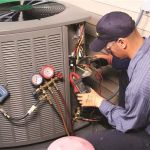 10 Signs It's Time to Fix Your Air Conditioning