
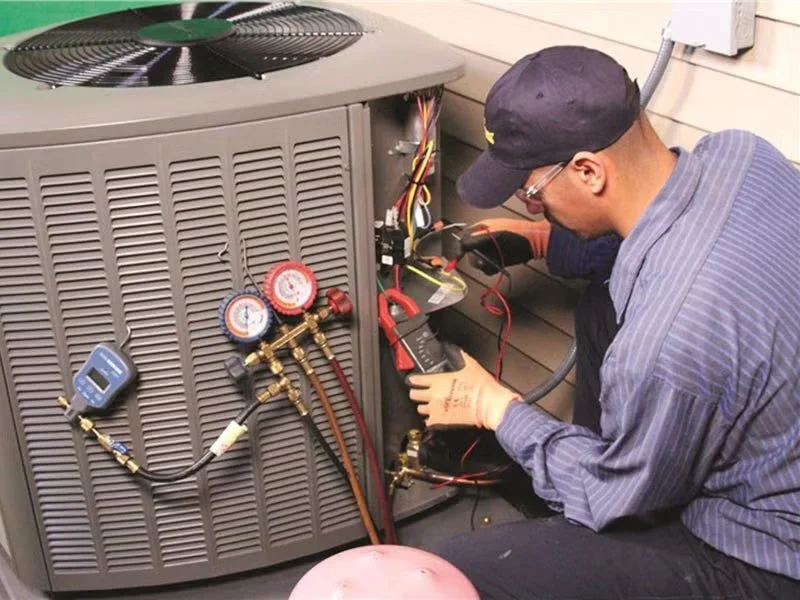
10 Signs It's Time to Fix Your Air Conditioning
- 1. Reduced Airflow from Vents
- 2. Unusual Sounds from the AC
- 3. Increased Energy Bills
- 4. Warm Air Blowing from Vents
- 5. Moisture and Leaks Around the Unit
- 6. Strange Odors Coming from the AC
- 7. Constant Cycling of the AC Unit
- 8. Inconsistent Temperature Control
- 9. Poor Air Quality in Your Home
- 10. Frequent Repairs Needed
1. Reduced Airflow from Vents
One of the first signs that something is wrong with your air conditioning system is reduced airflow. If you notice that the air coming from your vents is weak or insufficient, this could indicate a problem with the blower fan, ductwork, or air filters. Poor airflow makes your system work harder, leading to higher energy consumption and inefficient cooling.
Check your air filters first, as clogged filters are the most common culprit of reduced airflow. If the filters are clean and the airflow is still weak, you may need a professional technician to inspect the system.
2. Unusual Sounds from the AC
If you hear strange noises like rattling, grinding, or buzzing coming from your air conditioning unit, it’s a sign that something is wrong. These sounds can be caused by a variety of issues, such as loose parts, debris in the system, or problems with the fan or compressor.
For example, a rattling sound might suggest that something is obstructing the fan, while grinding noises could indicate that the motor or compressor is failing. Addressing these issues promptly can prevent further damage to your system.
3. Increased Energy Bills
One of the most noticeable signs that your AC needs repair is a sudden spike in your energy bills. If your air conditioning system is running inefficiently due to a mechanical issue, it will consume more electricity to cool your space.
Regular maintenance, such as cleaning filters, checking refrigerant levels, and inspecting the unit for wear and tear, can help prevent this issue. If you notice your bills rising without any change in usage, it’s time to have your AC checked.
4. Warm Air Blowing from Vents
If warm air is blowing from your vents instead of cold air, it’s a clear indication that your AC unit is not functioning properly. This could be due to several reasons, such as low refrigerant levels, a malfunctioning compressor, or a problem with the thermostat.
In some cases, the issue could be as simple as a thermostat setting, but more often, it requires professional intervention to fix refrigerant leaks or compressor issues.
5. Moisture and Leaks Around the Unit
Water pooling around your AC unit or inside the system can indicate a refrigerant leak, a clogged drain line, or issues with the condensate pump. Moisture buildup can cause significant damage to your unit and may lead to mold growth, which can be harmful to your health.
If you notice any water around your AC, it's important to have it inspected right away to prevent further damage to your system and the surrounding area.
6. Strange Odors Coming from the AC
If your AC is emitting a musty, burning, or chemical odor, it’s a sign that something is wrong with your system. A musty smell usually indicates mold or mildew buildup, while a burning smell could be due to electrical components overheating or wires burning out.
If you detect any strange smells, it’s important to turn off the system immediately and have it inspected by a professional to identify the source of the odor and prevent further damage or health risks.
7. Constant Cycling of the AC Unit
If your AC unit is constantly turning on and off in short cycles, it’s called short cycling. This could be caused by an issue with the thermostat, refrigerant levels, or an overheating compressor. Short cycling can cause the system to wear out faster and lead to higher energy costs.
To fix this, a technician may need to recalibrate the thermostat, inspect the compressor, or add more refrigerant if needed. Ignoring this issue can lead to more severe problems down the line.
8. Inconsistent Temperature Control
If your AC system is struggling to maintain a consistent temperature or if you notice that some rooms are colder than others, this could indicate an issue with the thermostat, ductwork, or airflow. Inconsistent temperatures can lead to discomfort and higher energy costs.
Have the system checked to ensure that the thermostat is calibrated correctly, and check the ductwork for any leaks or obstructions that might be affecting the airflow.
9. Poor Air Quality in Your Home
Air conditioning systems play a vital role in improving indoor air quality. If your AC unit is failing to remove dust, dirt, and allergens from the air, it could be a sign that the filters are clogged or the system isn’t functioning properly.
Poor air quality can contribute to allergies, respiratory issues, and overall discomfort. Regular filter changes and routine maintenance can help ensure that your AC is providing clean and fresh air to your home.
10. Frequent Repairs Needed
If your AC unit needs constant repairs or if you’ve had multiple breakdowns over the past few years, it may be time to consider replacing the system. Frequent repairs indicate that the unit is nearing the end of its lifespan, and continuing to fix it could be more costly than replacing it with a new, more efficient model.
Assess whether repairing or replacing the unit is more cost-effective in the long run. A professional technician can help you make this decision based on the age of your system and the cost of repairs.
 Cornerstone AC & Heating4.0 (15 reviews)
 TemperaturePro Charleston4.0 (334 reviews)
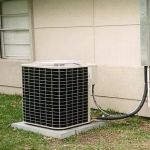 Pioneer Heating & Air Services5.0 (11 reviews)
 Adas Auto Repair & Towing4.0 (65 reviews)
 A/C Doctors Inc.4.0 (470 reviews)
 SERVPRO of Alexandria4.0 (42 reviews)
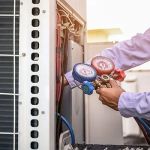 Fastest Way to Fix AC Unit Without Getting Overcharged in the US
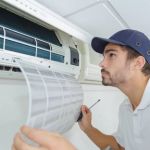 How Long Should It Take to Fix an Air Conditioning Leak?
 Top Ways to Fix Your AC Quickly and Affordably in Your Area
 How to Fix Air Conditioners Without Spending a Fortune
 Best Practices for a Successful and Affordable AC Fix
 Where to Fix Air Conditioning in Emergency Situations: Quick Solutions