
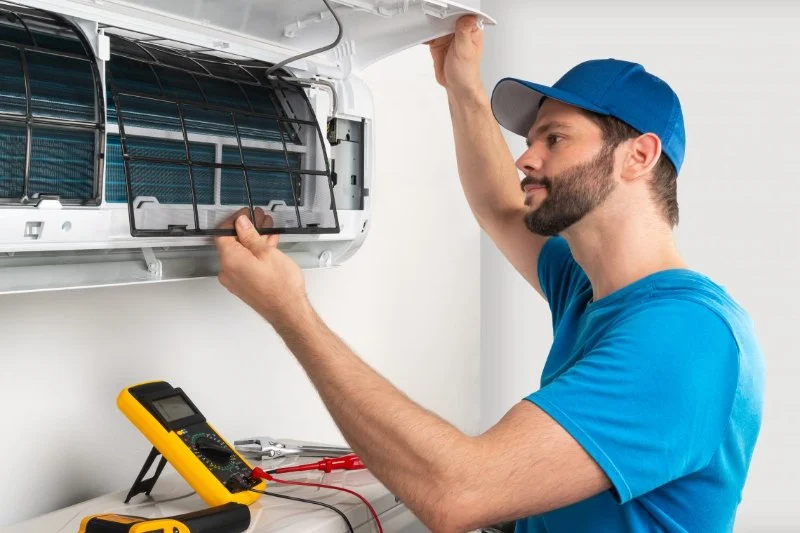
Everything You Need to Know Before You Replace Your Air Conditioning
- 1. Why Should You Replace Your Air Conditioning?
- 2. Signs That Indicate It's Time for a New Air Conditioner
- 3. How to Choose the Right Air Conditioner for Your Home
- 4. The Installation Process: What to Expect
- 5. Cost Considerations for Replacing an Air Conditioner
- 6. After Replacement: Proper Maintenance for Longevity
1. Why Should You Replace Your Air Conditioning?
Replacing an old or inefficient air conditioning system is not just about improving comfort—it’s about energy efficiency, better air quality, and saving on repair costs in the long run. Over time, air conditioners can lose their effectiveness, especially if they are not properly maintained. An outdated system can drive up your utility bills, break down more often, and fail to cool your home efficiently.
If you’re unsure whether your AC needs replacing or just repairing, it’s essential to understand the benefits of upgrading. A newer model can significantly improve the climate control in your home while being more energy-efficient, saving you money in the process.
2. Signs That Indicate It's Time for a New Air Conditioner
How do you know if it’s time to replace your AC? Here are some telltale signs that might indicate it’s time for a replacement:
- Age of the System: If your air conditioner is over 10-15 years old, it may be time for a replacement. Older units are less efficient and prone to breakdowns.
- Frequent Repairs: Constant repairs are a clear indication that your system is struggling. If the cost of repairs exceeds 50% of the cost of a new unit, replacement may be more cost-effective.
- Inefficient Cooling: If your AC is no longer cooling your home as effectively, it’s likely time to consider a replacement.
- Rising Energy Bills: Older units use more energy. If you’ve noticed your electric bills rising without any change in usage, your AC could be the culprit.
- Strange Noises or Smells: Odd sounds or musty odors coming from your AC unit may indicate underlying issues that could require a replacement.
By paying attention to these warning signs, you can make an informed decision about replacing your air conditioning system before a complete failure occurs.
3. How to Choose the Right Air Conditioner for Your Home
Choosing the right replacement air conditioner is essential for ensuring comfort and efficiency. Here are some factors to consider:
- Size of the Unit: The size of the AC unit is crucial for proper cooling. Too small of a unit won’t cool effectively, while too large of a unit will waste energy. Have an HVAC professional assess your space to determine the ideal size.
- Energy Efficiency: Look for units with a high SEER (Seasonal Energy Efficiency Ratio) rating. The higher the SEER, the more efficient the unit. This will help you save on energy bills over time.
- Type of System: Choose between central air systems, ductless mini-splits, or window units depending on your home’s layout and cooling needs.
- Brand Reputation: Consider reputable brands with good warranties and customer service. Brands like Trane, Carrier, and Lennox are known for their reliability and efficiency.
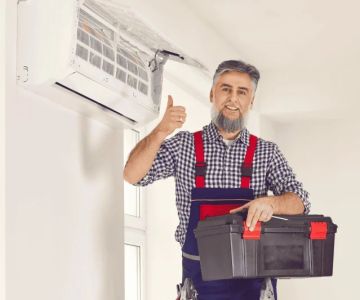
Choosing the right AC system requires careful consideration of your home's size, budget, and long-term energy savings. An HVAC professional can provide expert advice and help you select the right model for your needs.
4. The Installation Process: What to Expect
The installation of a new air conditioning system is an important process that requires a professional touch. Here’s what to expect during the installation:
- Site Preparation: The area where the new AC will be installed will need to be prepared. This includes removing the old unit, ensuring that the installation site is clear, and ensuring proper ventilation.
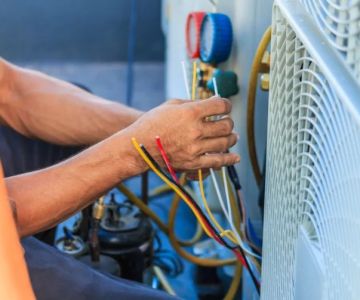
- System Installation: The HVAC technician will install the new unit, ensuring it is properly sized for your space. The refrigerant lines, electrical wiring, and air ducts will be connected as needed.
- Testing and Calibration: Once the unit is installed, it will be tested to ensure it is working properly. The technician will check for leaks, test the cooling, and ensure that all settings are calibrated correctly.
Installation typically takes a few hours to a day, depending on the complexity of the setup. Proper installation is key to ensuring the system operates efficiently and effectively.
5. Cost Considerations for Replacing an Air Conditioner
The cost of replacing your air conditioner can vary widely depending on the type of unit, the complexity of the installation, and the size of your home. Here are the key factors that affect cost:
- Type of AC System: Central air conditioning systems are generally more expensive to install than window or ductless systems. However, they may be more efficient in larger homes.
- Size and Efficiency: Larger units with higher energy efficiency ratings will typically cost more upfront, but they can save you money over time through reduced energy bills.
- Installation Complexity: If your home requires significant modifications, such as new ductwork or electrical work, the cost of installation can increase.
On average, you can expect to pay anywhere from $3,000 to $7,000 for a full AC replacement, including installation. It’s wise to get several quotes from contractors and explore financing options if needed.
6. After Replacement: Proper Maintenance for Longevity
After your new air conditioner is installed, proper maintenance is key to ensuring it runs smoothly and efficiently for years to come. Here are some tips:
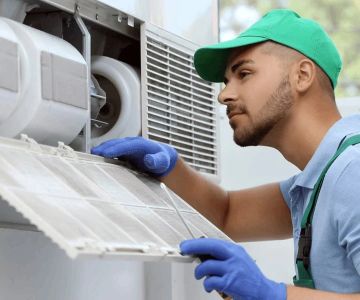
- Regular Filter Changes: Change or clean the air filters every 1-3 months, depending on usage. Dirty filters can reduce efficiency and air quality.
- Annual Professional Inspections: Have your system professionally serviced at least once a year. An HVAC technician can clean the system, check for any wear and tear, and ensure everything is working efficiently.
- Check the Coils: Clean the evaporator and condenser coils annually to prevent dust buildup, which can lead to poor performance.
Proper maintenance can extend the lifespan of your air conditioner and help you avoid costly repairs in the future.
 Advance Heating and Cooling4.0 (138 reviews)
 The Hutchens Company4.0 (30 reviews)
 That AC Guy4.0 (34 reviews)
 Hays Service3.0 (6 reviews)
 A/C & R Services3.0 (7 reviews)
 Alain Hvac llc0.0 (0 reviews)
 Common Mistakes to Avoid When Trying to Find an AC Repair Service
 Everything You Need to Know Before You Fix AC Condenser
 How Long Should It Take to Fix My Air Conditioner?
 Who Should You Trust When You Need to Fix Air Conditioning Leak?
 Affordable Companies That Can Fix My AC Near You: A Complete Guide
 Best Services for AC Repair Near You Today: Get Your Air Conditioner Fixed Fast