
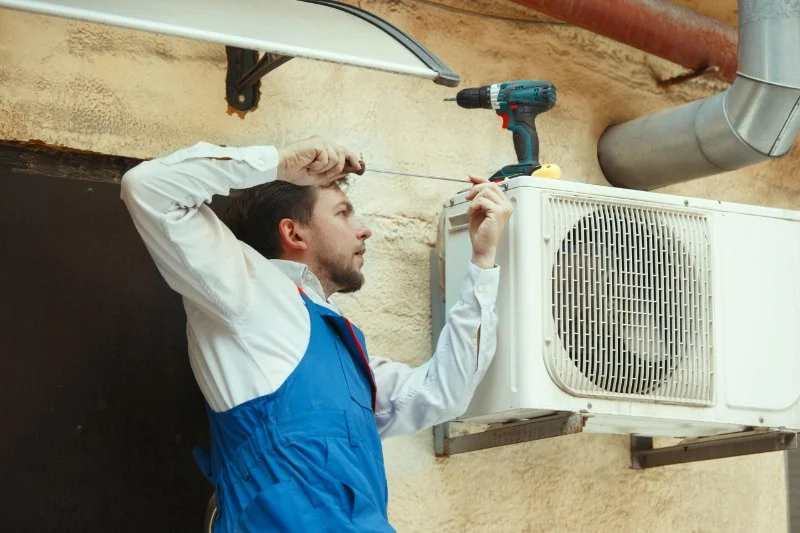
Pros and Cons of Trying to Fix My Air Conditioner on Your Own
- 1. Understanding Your AC Unit
- 2. Pros of DIY Air Conditioner Repair
- 3. Cons of DIY AC Repair
- 4. When to Call a Professional
- 5. Steps to Take Before Attempting DIY Repair
1. Understanding Your AC Unit
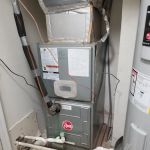
Before deciding to fix your air conditioner on your own, it’s essential to understand how the system works. Your AC consists of several components, including the compressor, evaporator coil, condenser coil, and refrigerant. Any issues with these parts can affect the performance of your unit, and some issues require professional attention. Being familiar with your system’s basics can help you identify whether the problem is something you can handle yourself or if you need an expert.2. Pros of DIY Air Conditioner Repair
There are several benefits to fixing your AC yourself, especially if you have the right tools and knowledge:- Cost savings: DIY repairs can save you money on labor costs, which can add up if you call a professional technician for every issue.
- Sense of accomplishment: Successfully fixing your AC can give you a sense of pride and achievement, especially if you learn new skills in the process.
- Quick fixes: For minor problems like changing the air filter, cleaning the coils, or resetting the thermostat, DIY can be a quick and easy solution.
3. Cons of DIY AC Repair
While there are benefits, attempting to fix your AC without proper experience can lead to several risks:- Potential for more damage: If you misdiagnose the problem or make an incorrect repair, you might end up causing more damage, which could be costly to fix.
- Safety risks: Working with electrical components or refrigerant can be dangerous if you’re not properly trained. AC units carry high voltage, and mishandling the system could lead to injuries or even a fire.
- Lack of warranty coverage: Many manufacturers require repairs to be performed by certified professionals to maintain the warranty. DIY repairs might void your warranty.
- Time-consuming: If you're not familiar with the system, trying to fix your AC yourself can take longer than expected, and it might leave you without cooling for a longer period.
4. When to Call a Professional
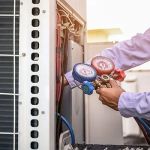
Some situations clearly require professional intervention. If you experience any of the following, it’s best to call an expert:- Refrigerant issues: Low refrigerant levels or a refrigerant leak require specialized knowledge and tools. Professionals are trained to handle these problems safely and legally.
- Electrical problems: If the AC unit has electrical issues, it can be dangerous to try and fix it without the proper expertise.
- Frequent breakdowns: If your AC keeps breaking down or needs constant repairs, a professional can help diagnose and fix the underlying issue.
5. Steps to Take Before Attempting DIY Repair
If you decide to give DIY AC repair a try, here are some essential steps to ensure you're doing it safely and effectively:- Read the manual: Always start by consulting the user manual for your AC unit to understand the system’s specific components and maintenance procedures.
- Turn off the power: Before working on any electrical components, make sure to turn off the power to the AC system to avoid the risk of electrical shock.
- Check the warranty: If your unit is still under warranty, verify that performing DIY repairs won’t void it.
- Start with simple tasks: Begin with simple tasks like cleaning the condenser coils, changing the filter, or checking the thermostat settings.
- Know your limits: If you encounter a problem you’re unsure about, it’s always best to stop and call a professional to prevent further damage.
 Airflow Masters4.0 (565 reviews)
 Arctic Blast Heating & Air Conditioning4.0 (183 reviews)
 Barnett's Heating & Air Conditioning4.0 (115 reviews)
 Middletown Heating and Air Conditioning4.0 (20 reviews)
 Patriot Heating and Cooling5.0 (434 reviews)
 Efficient Atmosphere0.0 (0 reviews)
 Avoid These Common Mistakes When Trying to Fix Your AC: Expert Advice
 Best Air Conditioner Repair Services Near You Today | AC Fix
 Affordable AC Repair Services: How to Find a Reliable and Cheap Fix
 Who Can Fix My Air Conditioner for Homeowners in 2025 | Ac Fix
 How Long Should It Take to Fix My Air Conditioner?
 Fastest Way to Fix AC Unit Without Getting Overcharged in the US