
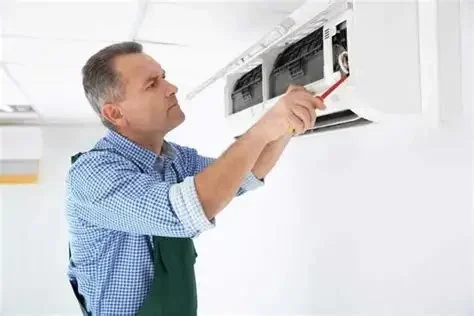
- diagnosing-ac-not-cooling - Understanding why your air conditioner stops cooling effectively
- common-reasons-ac-not-cooling - Main causes behind weak or warm airflow problems
- refrigerant-leak-issues - How refrigerant problems impact cooling performance
- dirty-air-filter-coil - The role of airflow blockages in system inefficiency
- thermostat-settings-calibration - When temperature control systems misread indoor conditions
- compressor-capacitor-failure - Mechanical breakdowns that prevent cooling cycles
- ductwork-airflow-problems - Hidden issues inside home ventilation systems
- step-by-step-troubleshooting - Practical diagnostic approach for homeowners
- diy-repair-vs-professional - Knowing when to fix it yourself or call a technician
- maintenance-prevention-strategies - How to prevent cooling issues long-term
- real-world-case-stories - Real HVAC situations and lessons learned
- when-to-call-experts-ac-fix - Professional solutions and service recommendations
Understanding Why an Air Conditioner Stops Cooling Effectively
When an air conditioner stops producing cold air, the problem rarely comes from a single source. In most American homes, cooling systems are expected to perform under heavy seasonal load, especially during peak summer months. Yet many homeowners only notice something is wrong when the indoor temperature no longer matches the thermostat setting.
A proper diagnostic process begins by observing behavior rather than immediately assuming a major failure. For example, if the system is running continuously but the air feels only slightly cool, the issue may be airflow restriction or refrigerant imbalance. If the system turns on and off rapidly, electrical or sensor-related problems may be involved. Understanding these patterns is the foundation of effective AC troubleshooting.
Modern HVAC systems are designed with multiple interconnected components, meaning even a minor inefficiency can cascade into significant cooling loss. This is why professionals often begin with system-wide observation before opening panels or replacing parts.
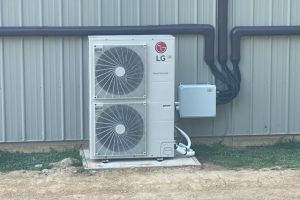
Main Causes Behind Weak or Warm Airflow Problems
Most air conditioning issues fall into a handful of common categories. One of the most frequent causes is restricted airflow, often due to clogged filters or blocked vents. When airflow is limited, the system cannot properly circulate cooled air, leading to uneven temperatures throughout the home.
Another major factor is aging system components. Over time, motors, fans, and electrical connections degrade. Even if the system still runs, efficiency can drop significantly, causing the perception that the unit is “not cooling properly.” In some cases, the problem is not mechanical at all but rather environmental, such as extreme outdoor temperatures overwhelming an undersized unit.
Understanding these root causes helps homeowners avoid unnecessary repairs and focus on the most likely problem areas first, saving both time and money during AC repair efforts.
Ross Heating Air Conditioning
Union CityObion CountyTennessee
4472 Woodfin Rd, Union City, TN 38261, USA
How Refrigerant Problems Impact Cooling Performance
One of the most misunderstood issues in home cooling repair is refrigerant loss. Refrigerant is the chemical responsible for absorbing heat from indoor air and releasing it outside. When levels drop due to leaks, the system cannot complete this heat exchange cycle efficiently.
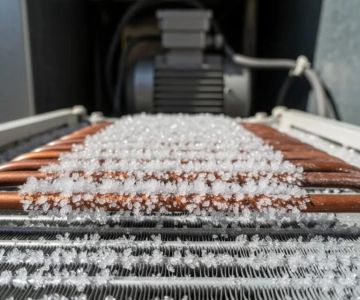
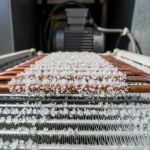
A refrigerant leak does not always cause immediate failure. Instead, the air conditioner gradually becomes weaker over time. Homeowners often notice that the system “runs forever” but never reaches the desired temperature. Ice formation on coils or copper lines is another warning sign that refrigerant pressure is not balanced.
From a technical perspective, refrigerant issues should always be handled carefully. Modern systems require precise pressure levels, and improper refilling can cause long-term damage to the compressor. While temporary observations can be made at home, actual repair typically requires licensed HVAC expertise.
Dirty Air Filters and Coil Blockages That Reduce Efficiency
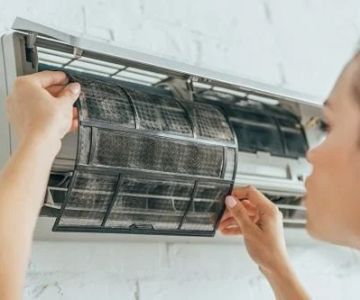
Air filters and evaporator coils play a critical role in maintaining airflow and heat exchange. When these components become dirty, the entire cooling process slows down. Dust, pet hair, and airborne particles gradually accumulate, restricting air movement and insulating the coil surface.
In many real-world cases, what appears to be a serious AC malfunction is actually a maintenance issue that has been ignored for months. A heavily clogged filter can reduce system efficiency so significantly that cool air barely reaches living spaces.
Coil contamination is more severe because it directly impacts heat transfer. Even if the fan is working correctly, the system cannot extract heat efficiently from indoor air. Regular cleaning schedules are essential for preventing this type of performance decline, especially in humid climates where dust and moisture combine more aggressively.
Thermostat Settings and Calibration Problems
Sometimes the issue is not with the air conditioning unit itself but with the thermostat controlling it. Incorrect settings, sensor misalignment, or outdated calibration can cause the system to behave unpredictably.
For example, a thermostat placed near a heat source such as sunlight or kitchen appliances may falsely detect higher temperatures, causing the AC to overwork without improving overall comfort. Similarly, battery-powered thermostats with low power levels may send inaccurate signals, leading to inconsistent cooling cycles.
In more advanced systems, smart thermostats may also experience software glitches or connectivity issues that disrupt normal HVAC operation. Verifying settings and recalibrating sensors is often a simple yet overlooked step in AC troubleshooting.
Compressor and Capacitor Failures That Stop Cooling Cycles
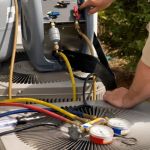
The compressor is often considered the heart of an air conditioning system. It is responsible for circulating refrigerant through the entire cooling cycle. When it fails, the system may still appear to run, but no meaningful cooling occurs.
Capacitors, which help start and sustain motor function, are another common failure point. A faulty capacitor can prevent the compressor or fan from starting properly, resulting in warm air output or complete system inactivity.
In many HVAC service calls, capacitor replacement is one of the most frequent repairs because these components wear out faster than major mechanical parts. Recognizing early symptoms such as humming noises, delayed startup, or intermittent cooling can help prevent larger system failures.
Hidden Airflow Issues Inside Home Duct Systems
Even if the air conditioning unit is functioning correctly, problems inside ductwork can significantly reduce cooling efficiency. Leaks, disconnections, or poor insulation allow cooled air to escape before it reaches living areas.
In older homes, duct systems are often not optimized for modern HVAC performance. As a result, certain rooms may feel significantly warmer than others despite consistent system operation. This imbalance often leads homeowners to believe the AC is broken when the real issue lies within air distribution.
Sealing ducts and improving insulation can dramatically improve overall system performance, sometimes reducing energy consumption while increasing cooling effectiveness at the same time.
Practical Step-by-Step Troubleshooting Approach for Homeowners
A structured approach to diagnosing cooling issues helps prevent unnecessary repairs. The process typically begins with basic observations such as airflow strength, temperature difference between vents, and system cycling behavior.
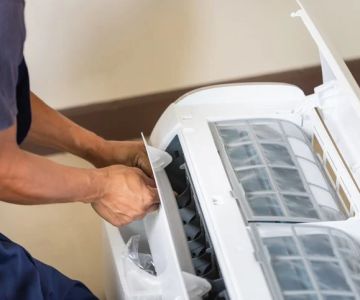
Next, checking filters and vents is essential. Many cooling problems are resolved at this stage without further intervention. If the issue persists, thermostat verification and power supply inspection should follow.
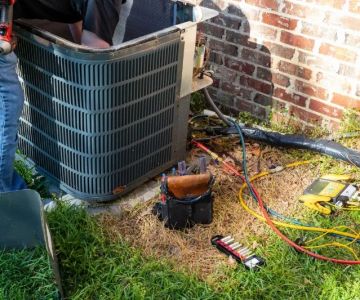
More advanced steps involve examining outdoor condenser units for debris buildup or unusual noise patterns. However, internal component inspection should be avoided unless proper HVAC knowledge is available, as electrical hazards and refrigerant exposure risks are present.
This layered troubleshooting approach ensures that simple problems are resolved quickly while more complex issues are properly escalated.
DIY Repairs vs Professional HVAC Service Decisions
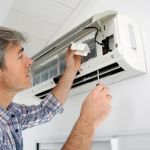
Not all air conditioning problems should be handled independently. While tasks like filter replacement and thermostat checks are safe for homeowners, more complex issues require professional attention.
Electrical faults, refrigerant handling, and compressor repairs fall into the category of specialized HVAC work. Attempting these without training can lead to safety risks and more expensive damage.
However, understanding the boundary between DIY maintenance and professional repair helps homeowners make informed decisions. In many cases, early intervention by a technician prevents system-wide failures and extends equipment lifespan significantly.
Long-Term HVAC Maintenance and Prevention Strategies
Preventing cooling issues is far more cost-effective than repairing them after failure occurs. Regular maintenance, including seasonal inspections, filter replacements, and coil cleaning, plays a major role in system longevity.
Outdoor unit care is equally important. Keeping the condenser area free of leaves, dirt, and debris ensures proper heat dissipation. Additionally, scheduling annual HVAC inspections helps identify early signs of wear before they develop into major problems.
Many homeowners underestimate how small maintenance habits contribute to long-term energy savings and consistent cooling performance.
Real-World HVAC Situations and Lessons Learned
In one common case seen across residential service calls, a homeowner believed their system was failing due to warm air output. After inspection, the issue turned out to be a severely clogged filter combined with partially blocked return vents. Once cleaned, the system immediately returned to normal performance.
In another scenario, an older home experienced uneven cooling across rooms. The homeowner suspected compressor failure, but technicians discovered multiple duct leaks in the attic space. Sealing those leaks restored balanced airflow and eliminated hot spots throughout the house.
These examples highlight how misdiagnosis can lead to unnecessary expense and stress, reinforcing the importance of structured troubleshooting.
Professional Solutions and When to Seek Expert Help
There comes a point in every cooling issue where professional expertise becomes essential. When systems show signs of refrigerant leakage, electrical instability, or compressor malfunction, expert diagnosis is the safest and most effective route.
Homeowners looking for reliable assistance often benefit from connecting with specialized HVAC services. Platforms like Ac Fix provide access to relevant repair solutions, service options, and system recommendations tailored to different cooling problems.
Professional technicians bring not only technical tools but also diagnostic experience that helps identify hidden issues quickly. This reduces downtime and ensures the system returns to optimal performance with minimal disruption.
 Shaffer's Heat and Air LLC5.0 (28 reviews)
 Rutland’s Air Conditioning & Refrigeration0.0 (0 reviews)
 United Refrigeration Inc4.0 (14 reviews)
 Cornerstone AC & Heat LLC5.0 (66 reviews)
 Temperature Humidity Air Quality Solutions4.0 (98 reviews)
 AirOne Heating and Air Conditioning4.0 (340 reviews)
 How to Fix Water Leaks in Your Air Conditioner Fast
 How to Fix a Frozen Coil in Your Air Conditioner Quickly and Safely
 Why Your Air Conditioner Isn’t Cooling Properly and How to Repair It
 How to Repair Your Air Conditioner’s Compressor for Optimal Efficiency
 Best Services That AC Fix Near You Today – Fast, Reliable, Local Help
 How to Repair Air Conditioner Issues Without the Help of a Technician