
- 1-Understanding-AC-Compressor-Functions
- 2-Common-Compressor-Problems
- 3-Symptoms-Of-Compressor-Failure
- 4-Diagnosing-The-Issue
- 5-Safety-Precautions-Before-Repair
- 6-Tools-And-Materials-Needed
- 7-Cleaning-And-Maintenance-Tasks
- 8-Checking-Refrigerant-Levels
- 9-Testing-Electrical-Components
- 10-Replacing-Faulty-Parts
- 11-Sealing-Leaks-And-Ensuring-Efficiency
- 12-Reassembling-And-Startup-Procedures
- 13-Monitoring-Performance
- 14-Preventive-Maintenance-Tips
- 15-Energy-Saving-Practices
- 16-Common-Mistakes-To-Avoid
- 17-When-To-Call-A-Professional
- 18-Case-Studies-Of-Successful-Repairs
- 19-Benefits-Of-Efficient-Compressor
- 20-Extending-Lifespan-Of-Your-AC
- 21-Cost-Considerations
- 22-Environmental-Impact
- 23-Finding-Reliable-Service-And-Products
1. Understanding AC Compressor Functions
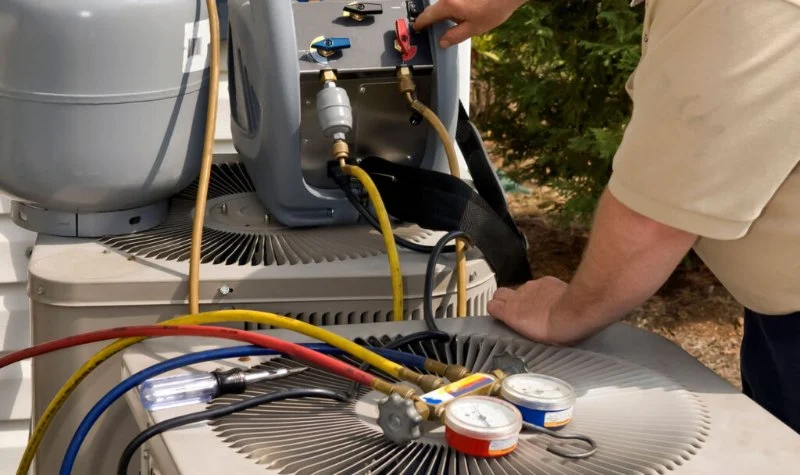
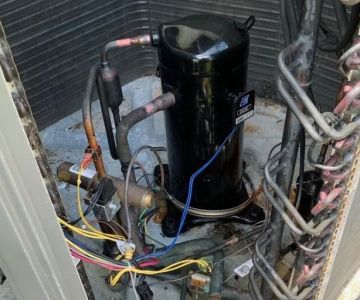
The compressor is the heart of your air conditioning system, responsible for circulating refrigerant and enabling heat transfer. Proper function is essential for efficient cooling and energy savings.

Bayside Heating & Air Conditioning Co
408 Barcelona Ln, Virginia Beach, VA 23452, USA
2. Common Compressor Problems
Frequent issues include electrical failure, refrigerant leaks, mechanical wear, and overheating. Identifying these early prevents system-wide failure and costly repairs.
3. Symptoms of Compressor Failure
Signs include insufficient cooling, strange noises, frequent cycling, tripped breakers, and higher energy bills. Recognizing these indicators allows timely intervention.
4. Diagnosing the Issue
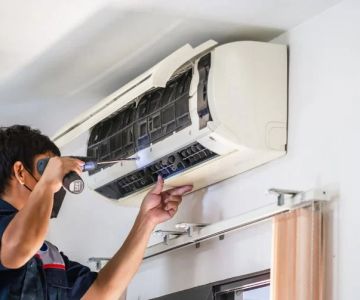
Accurate diagnosis involves checking electrical components, refrigerant levels, and mechanical integrity. Use multimeters, gauges, and visual inspections for a precise assessment.
5. Safety Precautions Before Repair
Always disconnect power, wear protective gear, and handle refrigerants responsibly. Ensuring safety minimizes the risk of injury and equipment damage.
6. Tools and Materials Needed
Common tools include multimeters, refrigerant gauges, wrenches, screwdrivers, and replacement parts. Having proper materials on hand ensures smooth repair and efficiency restoration.
7. Cleaning and Maintenance Tasks
Remove debris, clean coils, check connections, and lubricate moving parts. Routine maintenance prevents buildup that impedes compressor performance.
8. Checking Refrigerant Levels
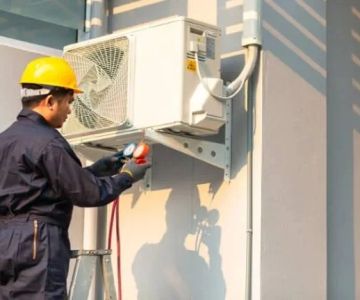
Low refrigerant can reduce cooling efficiency. Measure pressure and recharge as needed, following manufacturer specifications and environmental regulations.
9. Testing Electrical Components
Inspect capacitors, contactors, and wiring for continuity and proper voltage. Faulty electrical elements are a common cause of compressor inefficiency.
10. Replacing Faulty Parts
Replace worn or damaged components, including capacitors, relays, and compressors if necessary. Ensure compatibility and follow proper installation techniques.
11. Sealing Leaks and Ensuring Efficiency
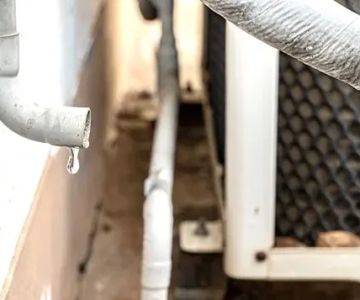
Identify refrigerant leaks, seal joints, and test system pressure. Maintaining a closed system preserves efficiency and prevents environmental hazards.
12. Reassembling and Startup Procedures
Carefully reassemble the AC unit, restore power, and initiate the startup sequence. Monitor system operation closely to confirm proper function.
13. Monitoring Performance
Track temperature, pressure, and energy consumption over time. Consistent monitoring ensures the compressor operates at peak efficiency.
14. Preventive Maintenance Tips
Regular filter changes, coil cleaning, and seasonal inspections prolong compressor life and prevent unexpected breakdowns.
15. Energy-Saving Practices
Optimize thermostat settings, ensure insulation, and maintain the system. Efficient compressors reduce energy consumption and lower utility bills.
16. Common Mistakes to Avoid
Avoid overcharging refrigerant, using incorrect parts, or neglecting safety precautions. Mistakes can damage the compressor and void warranties.
17. When to Call a Professional
Complex repairs, refrigerant handling, or persistent inefficiency require licensed HVAC technicians. Professional service ensures safety and reliable results.
18. Case Studies of Successful Repairs
Examples show that timely compressor repairs restored full cooling capacity and improved energy efficiency, preventing complete system replacement.
19. Benefits of Efficient Compressor
Enhanced cooling, lower energy bills, reduced wear on other components, and extended system lifespan are key advantages of a well-functioning compressor.
20. Extending Lifespan of Your AC
Combine proper maintenance, correct repairs, and routine monitoring to maximize the longevity and reliability of your air conditioning system.
21. Cost Considerations
While repairs and replacements can be costly, investing in efficient compressor maintenance reduces long-term expenses and prevents larger failures.
22. Environmental Impact
Proper handling of refrigerants and maintaining system efficiency reduces environmental harm and ensures compliance with local regulations.
23. Finding Reliable Service and Products
For expert guidance, high-quality parts, and professional repairs, visit Ac Fix. Reliable service ensures optimal performance and energy-efficient cooling for your home.
 Blue Skies Comfort Air5.0 (30 reviews)
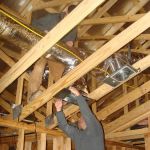 Siloam Springs Heat and Air4.0 (33 reviews)
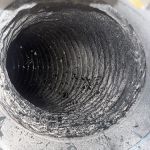 Cozy Bears Dryer Vent Services Clearwater4.0 (69 reviews)
 KS Kamara Heating & Air4.0 (21 reviews)
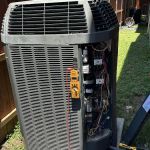 Air Conditioning by Textrong Air & Heating4.0 (7 reviews)
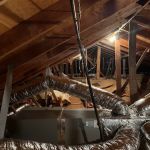 Crown Heating & Air4.0 (6 reviews)
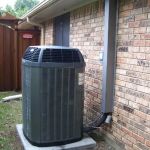 How to Perform Basic Troubleshooting on Your AC Unit
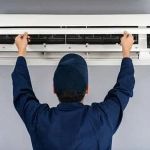 Everything You Need to Know Before You Fix Your Air Conditioner
 How to Deal with Air Conditioner System Clogging and Fix It
 How to Fix Your AC Without Spending a Fortune: Expert Tips & DIY Solutions
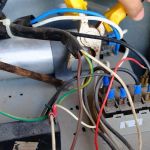 How to Fix an Air Conditioner with Faulty Wiring
 Best Services That AC Fix Near You Today for Fast and Reliable Repairs