
- Why Clogging Happens in Your AC System
- Signs of Clogging in Your AC
- How to Fix AC Clogging
- When to Call a Professional for AC Clogging
- Preventing AC Clogging in the Future
Why Clogging Happens in Your AC System
Clogging in your air conditioning (AC) system can cause several performance issues, and it usually occurs when there is a blockage in the airflow or drainage system. Understanding why this happens can help you better maintain your system and prevent future problems.
A Team Air conditioning Repair of St. Petersburg
St. PetersburgPinellas CountyFlorida
4609 4th St N, St. Petersburg, FL 33703, USA
1. Dirty Air Filters
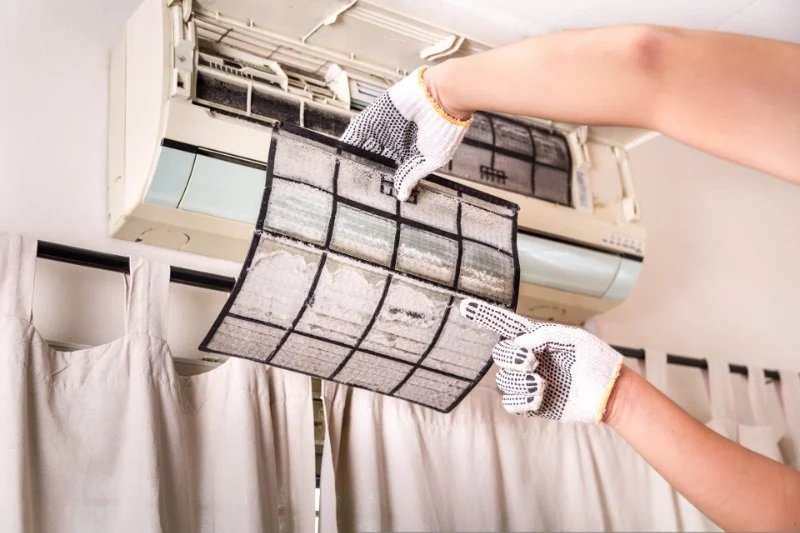
One of the most common causes of clogging in your AC system is dirty air filters. Over time, air filters trap dust, dirt, and debris, which can obstruct the airflow. When these filters become clogged, they restrict the air that passes through, leading to reduced cooling performance and potential damage to the system.

AIR SYSTEMS A/C-HEATING AND REFRIGERATION
3700 Fredericksburg Rd #121, San Antonio, TX 78201, USA
2. Blocked Condensate Drain Line
The condensate drain line is responsible for removing excess moisture from your AC system. If the drain becomes clogged with dirt, algae, or mold, it can lead to water buildup inside the unit. This excess moisture can further obstruct airflow and cause the AC system to malfunction.
3. Frozen Evaporator Coils
If the airflow is restricted due to clogging, it can cause the evaporator coils to freeze. Frozen coils are unable to absorb heat from the air, leading to poor cooling performance. Ice buildup on the coils can also result in further blockages and damage to the system if not addressed quickly.
Signs of Clogging in Your AC
If you suspect that your AC system might be clogged, there are several signs to look out for. These warning signals can help you catch the issue early and prevent it from getting worse:
1. Reduced Airflow
One of the first signs of an air conditioner clog is reduced airflow. If the system struggles to circulate cool air or the air coming from the vents feels weak, it’s likely due to a blockage in the system.
2. Water Leaks Around the AC
If you notice water pooling around your air conditioner, this could indicate a clogged condensate drain line. The accumulated water might overflow and cause water damage to the surrounding area, making it essential to fix the clog promptly.
3. Strange Noises
Clogging can cause your AC system to make unusual noises, such as rattling, gurgling, or hissing sounds. These noises can be a sign that air is struggling to pass through the system, or that there’s water trapped in places it shouldn’t be.
4. Higher Energy Bills
If your AC system is clogged and working harder than usual to cool the air, you may notice an increase in your energy bills. A clogged system consumes more power to operate, leading to inefficiency and higher costs.
How to Fix AC Clogging
If you’ve noticed any of the signs above, it’s time to address the clogging in your AC system. Below are some steps you can take to fix the issue:
1. Turn Off the AC and Power
Before you begin working on your AC unit, always turn off the power to the system. This is essential for your safety and ensures that you won’t cause further damage while inspecting or cleaning the unit.
2. Clean the Air Filters
Dirty air filters are one of the most common causes of clogging in your AC system. Remove the filters and clean or replace them as necessary. If you have reusable filters, rinse them under water and allow them to dry completely before reinstalling them.
3. Check and Clear the Condensate Drain Line
Inspect the condensate drain line for any clogs. You can use a wet/dry vacuum to remove debris or algae that may have built up inside the line. You can also flush the line with a mixture of water and bleach to prevent mold and mildew growth.
4. Defrost the Evaporator Coils
If your evaporator coils are frozen, they need to be thawed. Turn off the AC and let the coils defrost naturally. You can speed up the process by using a hairdryer on the low setting. Once the coils are thawed, check for any blockages in the system.
5. Clear Air Vents and Ducts
Inspect the air vents and ducts for any obstructions. Dust, dirt, or even small objects can block airflow. Use a vacuum or brush to clean the ducts and ensure that the air can circulate freely.
When to Call a Professional for AC Clogging
While DIY maintenance can help with minor clogs, there are situations where it's best to call in a professional technician. Here are some cases when professional help is needed:
1. If You Can’t Locate or Fix the Clog
If you’ve tried troubleshooting but still can’t locate or fix the clog, a professional technician can use specialized tools to diagnose and repair the issue. They’ll have the knowledge and experience to identify even the smallest blockages in the system.
2. If There’s a Major Blockage
In cases where there’s a major blockage, such as a severely clogged condensate drain or ductwork, it’s best to let a professional handle the repair. Attempting to clear a major blockage without proper equipment can cause further damage to the system.
3. If You Notice System Malfunctions
If your AC system is malfunctioning, making strange noises, or leaking, it's essential to have it inspected by a professional. These could be signs of a deeper issue, such as a refrigerant leak or damaged components that require expert repair.
Preventing AC Clogging in the Future
Taking preventive measures can help avoid clogging issues in the future and ensure that your AC system runs efficiently. Here are a few tips:
1. Regularly Replace or Clean Air Filters
Clean or replace your air filters every 1-3 months, depending on the type of filter and the usage of your AC system. Regular maintenance will prevent dust and debris buildup that could obstruct airflow.
2. Schedule Annual AC Maintenance
Having a professional technician perform annual maintenance on your AC system can help detect and fix potential clogging issues before they become major problems. They will clean the components, check for leaks, and ensure the system is working at its best.
3. Keep the Area Around Your AC Clean
Keep the area around your outdoor AC unit clean and clear of debris. Plants, leaves, and dirt can get inside the unit and cause blockages, reducing the system’s efficiency.
For more tips on fixing and maintaining your AC system, visit Ac Fix for expert advice and quality products.


 7 Services Inc.4.0 (78 reviews)
 Holliday's Helping Hands HVAC and Handyman Services LLC0.0 (0 reviews)
 Daycool Heating & Air5.0 (3 reviews)
 Zerik's Heating & Cooling5.0 (26 reviews)
 Quality Comfort Air, LLC4.0 (83 reviews)
 Glasgow Heating & Air, Inc4.0 (47 reviews)
 Everything You Need to Know Before You Fix AC Condenser
 How to Know It's Time to Fix Your AC Condenser
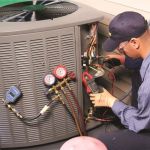 How to Perform Basic Air Conditioner Troubleshooting on Your Own
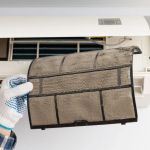 How to Clean Your Air Conditioner for Better Efficiency and Performance
 Experts Explain How to Fix Your Air Conditioner Like a Pro
 How to Find Who Can Fix My Air Conditioner Without Spending a Fortune