
- 1-understanding-ac-electrical-system
- 2-warning-signs-of-electrical-issues
- 3-safe-preparation-before-inspection
- 4-checking-common-electrical-components
- 5-real-life-example-homeowner-experience
- 6-preventing-future-ac-electrical-problems
- 7-when-to-call-a-professional
1. Understanding How Your Air Conditioner’s Electrical System Works
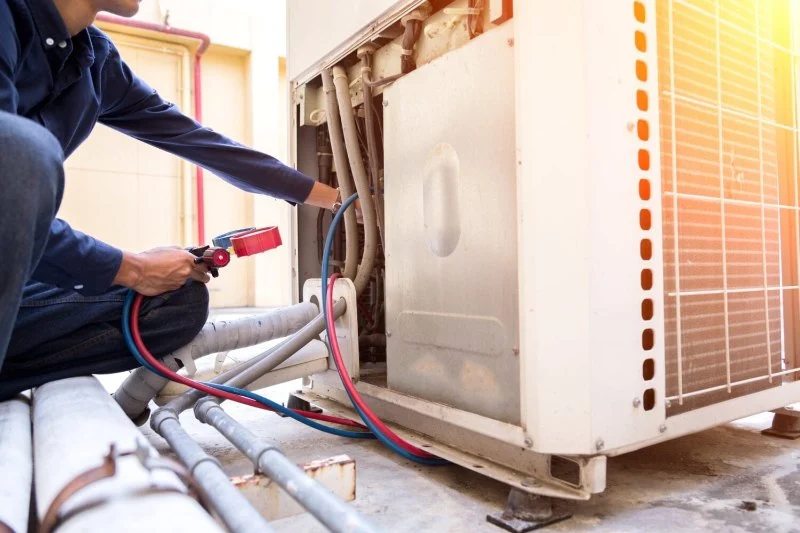
Learning how to check your air conditioner’s electrical system for common problems starts with understanding how the system operates. Most residential air conditioning units rely on a combination of electrical components such as capacitors, contactors, wiring, relays, and circuit breakers. These parts work together to power the compressor, fan motors, and thermostat communication.
When any of these components fail, the AC may stop cooling, struggle to start, or shut down unexpectedly. Electrical issues are among the most common causes of AC malfunctions, especially during peak summer usage when systems are under heavy demand.
Many homeowners assume the unit is broken when it simply needs a minor electrical adjustment or repair. By understanding the basics, you can identify early warning signs and avoid costly emergency service calls.
2. Warning Signs That Point to Electrical Problems
Before diving into a hands-on inspection, it helps to recognize the subtle symptoms that indicate an electrical issue may be developing. Paying attention to these signs can prevent system failure and expensive replacements.
1. Frequent breaker trips
If your air conditioner constantly trips the circuit breaker, this often points to overloaded circuits, shorted wiring, or a failing compressor.
2. AC unit not turning on
A system that won’t start may be experiencing a problem with the thermostat connection, capacitor, or power supply.
3. Burning smells or unusual sounds
Electrical faults can produce a faint burning odor or clicking sounds. These should never be ignored, as they may signal overheating wires.
4. Inconsistent cooling performance
Electrical components that are failing can cause fans or compressors to run unevenly, resulting in poor airflow and temperature control.
3. Safe Preparation Before Inspecting the System
Safety should always be the first priority when dealing with electrical equipment. Even a basic inspection requires careful preparation to avoid injury.
1. Turn off all power sources
Switch off the air conditioner at the thermostat and shut down the breaker connected to the unit.
2. Wait before opening panels
Capacitors can hold electrical charge even after power is turned off. Waiting a few minutes reduces risk.
3. Use proper lighting and tools
Clear visibility helps you spot loose connections, burnt wires, or corrosion without touching unsafe components.
Many homeowners find that understanding these safety basics builds confidence when learning how to check your air conditioner’s electrical system for common problems without putting themselves at risk.
4. Checking the Most Common Electrical Components
Once safely prepared, you can perform a visual inspection of the most failure-prone parts in your AC system.
1. Inspect wiring connections
Look for frayed wires, loose terminals, or signs of heat damage. Discolored insulation often indicates overheating.
2. Examine the capacitor
The capacitor helps start and run motors. If it appears swollen or leaking, it may need replacement.
3. Check the contactor
This switch controls electricity flow to the compressor. Pitted or burnt contacts can prevent the unit from running.
4. Look at the circuit breaker panel
Frequent resets can indicate deeper electrical issues that should not be ignored.
Even a simple visual inspection can reveal problems early. Many homeowners share that catching a loose connection saved them from a full system breakdown in the middle of summer.
5. Real-Life Example: A Homeowner’s Unexpected Discovery
A small business owner once noticed their office AC would shut off randomly in the afternoon. At first, they assumed the system was aging. After learning how to check your air conditioner’s electrical system for common problems, they decided to inspect it before replacing the unit.
They discovered a slightly loose wire connection near the contactor. During peak heat, the connection would expand and lose contact, causing shutdowns. A simple repair restored normal function and prevented a costly system replacement.
This kind of situation is more common than many realize. Sometimes the solution is surprisingly small once the right area is checked.
6. Preventing Future AC Electrical Issues
Prevention is often easier and cheaper than repair. Regular maintenance helps your air conditioner run safely and efficiently year-round.
1. Schedule seasonal inspections
Checking electrical parts before summer reduces the chance of sudden breakdowns.
2. Keep the unit clean
Dust and debris can cause overheating and strain electrical components.
3. Monitor performance changes
Small changes in sound, cooling ability, or startup time often signal early electrical problems.
Many homeowners turn to resources like Ac Fix to find helpful guides, replacement parts, and service support when keeping their systems in top condition.
7. When to Call a Professional Technician
While learning how to check your air conditioner’s electrical system for common problems can help you catch early issues, some situations require expert attention.
If you notice repeated breaker trips, strong burning smells, or exposed wiring, it’s best to contact a licensed technician. Complex electrical problems can damage the entire HVAC system if handled incorrectly.
Professionals have specialized tools to test voltage, resistance, and component performance safely. Getting help at the right time protects both your home and your investment.
Understanding your system, staying alert to warning signs, and performing basic inspections can make a major difference. With consistent attention and reliable resources, your air conditioner can continue running smoothly and efficiently through even the hottest seasons.

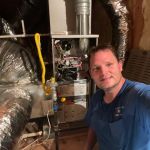 7 Services Inc.4.0 (78 reviews)
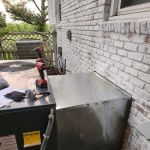 Holliday's Helping Hands HVAC and Handyman Services LLC0.0 (0 reviews)
 Daycool Heating & Air5.0 (3 reviews)
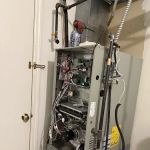 Zerik's Heating & Cooling5.0 (26 reviews)
 Quality Comfort Air, LLC4.0 (83 reviews)
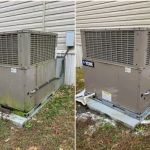 Glasgow Heating & Air, Inc4.0 (47 reviews)
 Everything You Need to Know Before You Fix AC Condenser
 How to Know It's Time to Fix Your AC Condenser
 How to Perform Basic Air Conditioner Troubleshooting on Your Own
 How to Clean Your Air Conditioner for Better Efficiency and Performance
 Experts Explain How to Fix Your Air Conditioner Like a Pro
 How to Find Who Can Fix My Air Conditioner Without Spending a Fortune