
- 1-understanding-the-problem
- 2-signs-of-sensor-issues
- 3-how-sensors-work
- 4-diagnosing-the-fault
- 5-step-by-step-fix
- 6-real-homeowner-story
- 7-preventing-future-issues
- 8-when-to-call-a-professional
1. Understanding the Problem Behind Temperature Sensor Failures
Learning how to fix an air conditioner with faulty temperature sensors can save homeowners time, money, and frustration, especially during the peak of summer. Temperature sensors play a critical role in regulating how your system runs. When they malfunction, the unit may struggle to maintain the correct indoor climate.
These small components monitor air temperature and signal the system when to cool or stop. If the sensor sends inaccurate readings, the air conditioner may cycle too often, run constantly, or fail to cool properly.
Many homeowners assume the entire system is failing, but in reality, a small sensor problem can cause major performance issues.
2. Signs That Your Air Conditioner Sensor Might Be Faulty
Recognizing the early symptoms of sensor trouble can prevent larger repair costs later. There are several warning signs that indicate the sensor may not be functioning correctly.
1. The air conditioner turns on and off frequently without reaching the set temperature.
2. The system runs continuously but does not cool the room.
3. Temperature readings on the thermostat do not match how the room feels.
4. Uneven cooling across different areas of the home.
These issues often appear gradually, which makes them easy to ignore until performance drops significantly.

3. How Temperature Sensors Control Cooling Performance
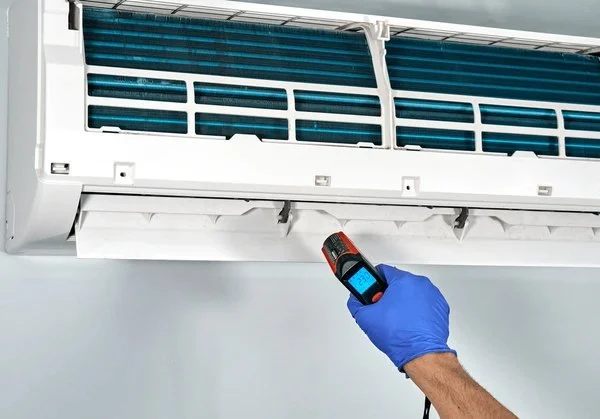
Temperature sensors measure the air around the evaporator coil and communicate with the control system. Their job is to make sure the air conditioner cycles on and off at the right time.
If a sensor is misaligned, damaged, or disconnected, it can misread the surrounding air temperature. This causes the system to react incorrectly.
For example, if the sensor believes the room is cooler than it actually is, the air conditioner may shut off too early. If it reads warmer than reality, the unit may run longer than necessary, increasing energy bills.
4. Diagnosing the Fault Before Making Repairs
Before attempting to fix the issue, it’s important to confirm that the sensor is the actual cause. Careful observation can help determine whether the problem lies with the sensor, thermostat, or airflow.
Start by checking whether the unit cools normally when first turned on but becomes inconsistent later. Listen for frequent cycling and pay attention to any unusual delays in operation.
Many homeowners find that simply inspecting the sensor’s position inside the unit can reveal the problem. If it is touching the coil or out of alignment, it may produce inaccurate readings.
5. Step-by-Step Fix for Temperature Sensor Issues
Fixing a sensor problem does not always require replacing parts. In some cases, a small adjustment can restore normal operation.
1. Turn off power to the air conditioning unit to ensure safety.
2. Locate the sensor near the evaporator coil.
3. Check if it is bent, loose, or touching another component.
4. Gently reposition it so it sits properly near the coil without direct contact.
5. Restart the unit and monitor performance.
If the issue persists, the sensor may need replacement. Many homeowners explore trusted sources like Ac Fix to find compatible parts, tools, and reliable service options for their system.
6. A Real Homeowner Story About a Misbehaving AC Unit
One homeowner noticed their air conditioner running nonstop during a heatwave but still failing to cool the living room. Initially, they assumed the compressor was failing and prepared for an expensive repair.
After a closer look, they discovered the temperature sensor had shifted slightly out of position. Once it was carefully adjusted, the system returned to normal operation within hours.
This experience highlights how a small component can create big problems, and why understanding basic troubleshooting can be incredibly valuable.
7. Preventing Future Sensor Problems Through Routine Maintenance
Keeping your air conditioner in good condition reduces the chances of sensor-related issues. Regular maintenance helps ensure accurate temperature readings and consistent cooling.
1. Clean filters regularly to maintain proper airflow.
2. Schedule seasonal inspections to check internal components.
3. Avoid blocking vents with furniture or curtains.
4. Keep the area around the unit free from dust buildup.
These simple steps help prevent wear on sensitive components and improve overall efficiency.
8. When It’s Time to Call a Professional Technician
While many minor adjustments can be handled safely at home, some sensor issues may require expert attention. If the unit continues to behave unpredictably or stops cooling entirely, a trained technician can run a full diagnostic.
Persistent problems might indicate deeper electrical issues, wiring faults, or control board malfunctions. Addressing these early prevents long-term system damage.
Understanding how to fix an air conditioner with faulty temperature sensors gives homeowners confidence and helps avoid unnecessary costs. With the right awareness and routine care, your cooling system can stay reliable and efficient for years.



 AC's Heating & Air LLC4.0 (106 reviews)
 Harbin Heating & Air5.0 (47 reviews)
 Pro-Tech Automotive LLC5.0 (7 reviews)
 Blankenship Heating & Air4.0 (30 reviews)
 Pleitez Air Conditioning5.0 (24 reviews)
 Guaranteed Services Heating & Air4.0 (401 reviews)
 Pros and Cons of Trying to Replace Your Air Conditioning on Your Own
 Fastest Way to Fix Air Conditioning Without Getting Overcharged – Quick Tips and Expert Advice
 How Long Should It Take to Fix Air Conditioning? | AC Fix
 What to Do When Your Air Conditioner Stops Blowing Air – Troubleshooting Tips
 Best Air Conditioning Services Near You Today for Fast and Reliable Repairs
 How to Fix an Air Conditioner with Low Airflow