
- -Understanding-Common-AC-Cooling-Issues-#Understanding-Common-AC-Cooling-Issues
- -How-To-Diagnose-AC-Cooling-Problems-#How-To-Diagnose-AC-Cooling-Problems
- -How-To-Repair-Common-AC-Cooling-Issues-#How-To-Repair-Common-AC-Cooling-Issues
- -When-To-Call-A-Professional-For-AC-Repair-#When-To-Call-A-Professional-For-AC-Repair
- -Real-Life-AC-Repair-Experiences-#Real-Life-AC-Repair-Experiences
Understanding Common AC Cooling Issues
1. An air conditioner that isn't cooling properly is one of the most common household issues, especially during the summer months. When your AC isn’t delivering the cool air you need, it can quickly turn from a comfort problem to a serious frustration. Understanding the typical causes behind these issues can help you diagnose and fix them more effectively.

Cullman Heating & Air - HVAC Contractor
161 Co Rd 842, Cullman, AL 35057, USA
1.1 Common causes of AC cooling problems
Several factors can affect your air conditioner’s ability to cool your space efficiently. The most common issues include a dirty air filter, low refrigerant levels, or problems with the compressor. Identifying the source of the problem is the first step toward a successful repair.

1.1.1 Dirty air filters
Air filters trap dust, dirt, and other debris from circulating through your home, but over time, these filters can become clogged. When this happens, airflow is restricted, and the AC’s cooling efficiency decreases. Dirty filters can also cause the AC unit to freeze up, further impacting performance.
1.2 The impact of refrigerant leaks
If your air conditioner is low on refrigerant, it won't be able to cool your home properly. Leaks can develop over time, reducing refrigerant levels and causing the AC unit to work harder than necessary, resulting in poor cooling performance. If your AC is struggling to cool, checking refrigerant levels is an essential step in diagnosing the issue.
1.2.1 Signs of refrigerant problems
Some signs that your AC may be low on refrigerant include blowing warm air, ice forming on the coils, or the unit running longer than usual without reaching the desired temperature. If you notice any of these symptoms, it’s time to troubleshoot the refrigerant levels.
How to Diagnose AC Cooling Problems
2. Diagnosing AC cooling issues can be straightforward if you know what to look for. Here are some key steps to help you identify the problem:
2.1 Check the thermostat settings
The first thing to do when your AC isn’t cooling properly is to check the thermostat settings. Ensure the thermostat is set to "cool" and is at the right temperature. If the thermostat is malfunctioning, it could be causing the unit to operate inefficiently.
2.1.1 Testing the thermostat
Test the thermostat by adjusting the temperature settings. If the AC doesn’t respond, it could indicate a faulty thermostat or a wiring issue. In some cases, recalibrating the thermostat can resolve the problem.
2.2 Inspect the air filter
As mentioned earlier, a clogged air filter can cause poor airflow and reduced cooling. Remove the filter and inspect it for dirt and debris. If it appears dirty, replace it with a new one to restore airflow and improve the cooling process.
2.2.1 Regular air filter maintenance
It’s recommended to change or clean the air filter every 1–3 months to prevent future issues. Regular maintenance of the air filter ensures that your AC unit runs smoothly and doesn’t overheat or struggle with poor airflow.
2.3 Inspect the refrigerant levels
If you suspect the refrigerant levels are low, you can check for signs such as ice buildup on the coils or warm air blowing from the vents. To accurately diagnose refrigerant levels, you may need a professional technician to inspect the unit and refill the refrigerant if necessary.
2.3.1 Monitoring refrigerant levels
Keep an eye on the temperature and performance of your AC unit. If it seems to be running less effectively or blowing warm air, it could be due to low refrigerant levels. This issue should be addressed by a professional who can check for leaks and recharge the system properly.
How to Repair Common AC Cooling Issues
3. Once you’ve diagnosed the cause of the cooling issue, the next step is to repair it. Depending on the problem, some repairs can be done by the homeowner, while others may require a professional technician.
3.1 Replacing or cleaning the air filter
Replacing a clogged air filter is one of the simplest repairs you can do yourself. If the filter is reusable, cleaning it thoroughly can restore airflow and improve the cooling performance. Always refer to the manufacturer’s instructions to ensure you're cleaning or replacing the filter correctly.
3.1.1 DIY air filter replacement
To replace the filter, simply turn off the AC unit, remove the old filter, and insert a new one. Be sure to check the size and type of filter your unit requires to ensure a proper fit. Regular filter changes will help your system run efficiently and reduce future cooling issues.
3.2 Fixing refrigerant leaks
Fixing refrigerant leaks is a task best left to professionals, as it requires specialized knowledge and tools. If your AC is low on refrigerant, a technician will need to locate the leak, repair it, and recharge the system with the correct amount of refrigerant.
3.2.1 Professional refrigerant service
Attempting to repair refrigerant leaks yourself can be dangerous and may cause further damage to the system. Always call an expert to ensure the job is done correctly and safely.
3.3 Repairing or replacing the thermostat
If the thermostat is malfunctioning, it can affect the cooling cycle of your AC. You may need to replace the thermostat if it is not working correctly. Many modern thermostats are programmable, so upgrading to a more efficient model can help improve your AC's overall performance.
3.3.1 Choosing a new thermostat
When selecting a new thermostat, consider a smart thermostat that can learn your preferences and optimize the cooling cycle based on your daily habits. This can help save energy and enhance the efficiency of your system.
When to Call a Professional for AC Repair
4. Some AC problems require a professional touch. If the troubleshooting steps don’t resolve the issue or if you encounter complex problems like refrigerant leaks, it's time to call a technician. Here are a few situations where professional help is necessary:
4.1 Complex mechanical issues
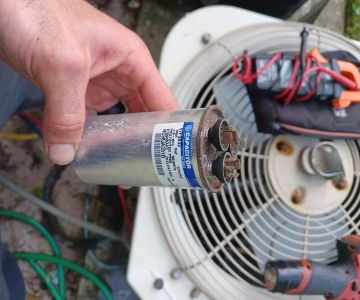
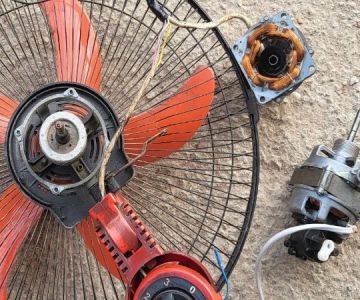
Any mechanical issues such as a malfunctioning compressor, faulty fan, or a broken motor require professional expertise. These components are complex and may require specific tools and knowledge to repair.
4.1.1 Understanding when to call an expert
If you notice strange noises or a complete failure of your AC to turn on, it’s best to call in a professional technician to diagnose the underlying issue.
4.2 Electrical problems
Electrical issues, such as faulty wiring or circuit board malfunctions, should never be handled by an unqualified individual. If your AC is not turning on or shows signs of electrical issues, contact a licensed technician immediately to prevent safety hazards.
4.2.1 Professional electrical diagnosis
Technicians have the training and tools necessary to diagnose and safely repair electrical issues. It’s always safer to rely on a professional when dealing with electrical components of your air conditioning system.
Real-Life AC Repair Experiences
5. Many homeowners have faced common AC cooling issues and learned valuable lessons through the repair process. One such experience involves a homeowner who noticed warm air blowing from their AC despite it running all day. After inspecting the filter and thermostat, they realized that a refrigerant leak was the root cause. A professional technician was called in to resolve the issue, and the system was recharged, restoring the cool airflow.
5.1 Learning from common AC problems
This experience highlights the importance of diagnosing the issue thoroughly and calling in an expert when necessary. While simple problems like dirty filters can be fixed at home, more complex issues like refrigerant leaks require a professional touch.
5.1.1 Tips for future prevention
Regular maintenance, such as cleaning filters, scheduling professional inspections, and monitoring refrigerant levels, can help prevent future cooling issues and keep your AC running efficiently throughout the year.
 Miller's Central Air, Inc.4.0 (278 reviews)
 United Home Services4.0 (137 reviews)
 Martinez A/ C & Heating Inc.5.0 (19 reviews)
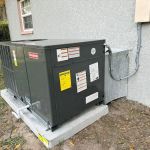 Quick Quote Heating and Air5.0 (29 reviews)
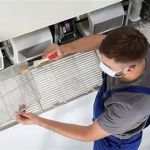 A Team Air conditioning Repair of St. Petersburg5.0 (25 reviews)
 Cabral Heating and Air Conditioning, LLC4.0 (100 reviews)
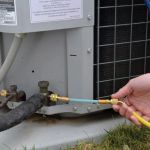 How to Handle AC Leaks and Prevent Future Damage
 Pros and Cons of Trying to Replace Your Air Conditioning on Your Own
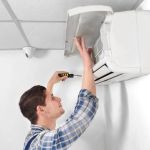 How to Choose a Trusted Technician for Your Wall Air Conditioner Repair
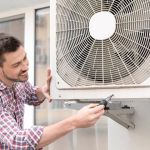 How to Fix Air Conditioning Issues Immediately | Expert Repair Tips
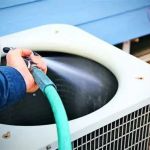 Top Ways to Fix Your Air Conditioning Quickly and Affordably in Your Area | AC Fix
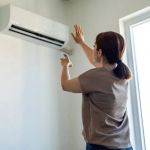 Who Should You Trust When You Need to Fix Your Wall Air Conditioner?