
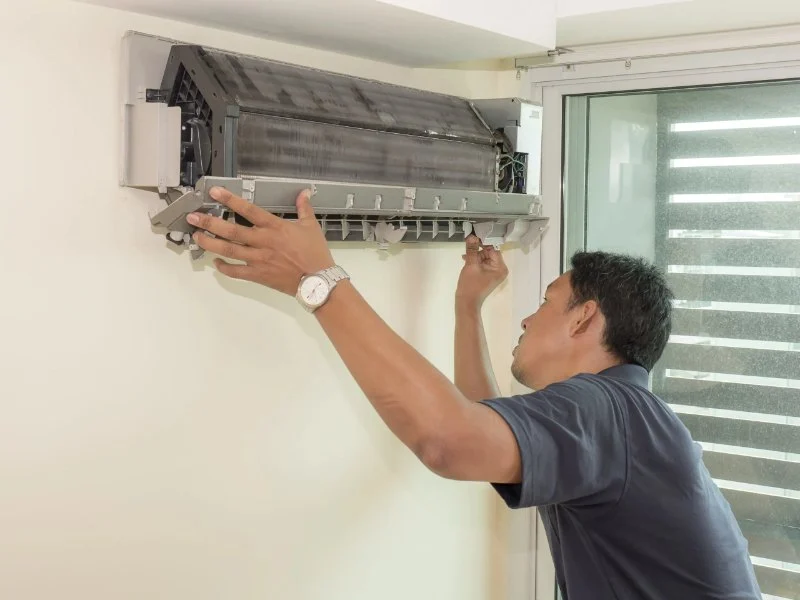
- 1. Identifying the Symptoms of an Air Conditioner Leak
- 2. Common Causes of Air Conditioner Leaking Water
- 3. How to Fix a Leaking Air Conditioner
- 4. How to Prevent AC Leaks in the Future
- 5. When to Call Professionals for AC Repair
1. Identifying the Symptoms of an Air Conditioner Leak
Air conditioner leaks can lead to significant damage if not addressed quickly. The first step in fixing an AC leak is to identify the symptoms early. Here are some common signs that your air conditioner might be leaking:
- Water pooling around the indoor unit
- Unusual sounds such as dripping or gurgling
- Excessive humidity in the room
- Staining or discoloration on walls or ceilings around the AC unit
- AC performance issues, such as insufficient cooling or airflow
If you notice any of these symptoms, it’s important to investigate the source of the leak. A leaking AC unit can cause water damage to your property, leading to mold growth and costly repairs if left unresolved.

2. Common Causes of Air Conditioner Leaking Water
There are several potential causes for water leakage in air conditioners. Understanding these causes can help you address the issue effectively. Below are the most common reasons for an AC unit to leak:
Sears Heating and Air Conditioning
Winston-SalemForsyth CountyNorth Carolina
196 Hanes Mall Cir, Winston-Salem, NC 27103, USA
1. Clogged Condensate Drain Line
The condensate drain line is responsible for directing the moisture collected by the air conditioner outside. If the line becomes clogged with dirt, dust, or algae, it can cause water to back up inside the unit and leak out. This is one of the most frequent causes of AC water leakage.
2. Frozen Evaporator Coils
When the evaporator coils freeze, they can cause water to build up and eventually leak. Freezing can occur if there’s restricted airflow due to dirty air filters, low refrigerant levels, or a malfunctioning blower fan. As the ice melts, it turns into excess water that the AC may struggle to drain properly.
3. Low Refrigerant Levels
Low refrigerant levels can cause the evaporator coils to freeze, leading to water leakage when the ice melts. A refrigerant leak can occur due to damaged coils or poor connections. If you notice that your AC isn’t cooling as efficiently as before or is leaking water, a refrigerant leak could be the culprit.
4. Dirty Air Filters
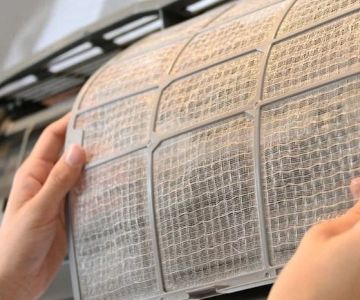
Clogged air filters restrict airflow to the evaporator coils, causing them to freeze and leading to water leakage. Regularly cleaning or replacing your AC’s air filters will help prevent this issue and ensure the unit runs efficiently.
5. Broken Pump or Faulty Drain Pan
The drain pan collects water from the evaporator coils, directing it to the condensate drain line. If the drain pan is cracked or the pump is malfunctioning, water may leak out of the unit instead of being properly drained. Regular maintenance checks can help identify these issues early.
3. How to Fix a Leaking Air Conditioner
If you notice a leak coming from your air conditioner, follow these steps to fix the problem:
1. Turn Off the Power
Before attempting any repairs, always turn off the power to the air conditioner to prevent electrical hazards. Locate the power switch on your unit or turn off the circuit breaker to ensure it is completely shut off.
2. Inspect and Clean the Condensate Drain Line
If the condensate drain line is clogged, it’s important to clear the blockage. You can use a wet/dry vacuum to suck out debris from the drain line or use a plumber’s snake to dislodge any clogs. Once cleared, run water through the line to ensure proper drainage.
3. Replace or Clean the Air Filters
Dirty air filters can cause poor airflow, leading to freezing and water leakage. Replace or clean the filters to improve airflow and prevent further damage. This is a simple step that can help keep your AC running smoothly and prevent future leaks.
4. Defrost the Evaporator Coils
If the evaporator coils are frozen, you’ll need to let them thaw before addressing the issue. Turn off the AC and allow the coils to defrost. Once thawed, check for any visible damage, such as cracks or leaks in the coils, and call a professional if needed.
5. Check for Low Refrigerant
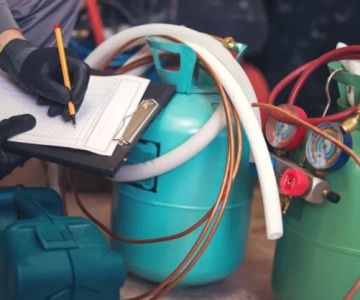
If the issue is due to low refrigerant levels, it’s best to call a professional technician to inspect and recharge the system. Handling refrigerant requires specialized equipment and knowledge, so this step should be left to experts.
4. How to Prevent AC Leaks in the Future
Preventing air conditioner leaks is much easier than dealing with the aftermath of a water leak. Here are a few proactive maintenance steps you can take:
1. Perform Regular Maintenance
Routine maintenance is key to preventing AC leaks. Schedule an annual inspection with a licensed technician who will check for any potential issues, clean the coils, replace filters, and ensure the system is functioning properly.
2. Keep the Condensate Drain Line Clear
Periodically clean the condensate drain line to ensure it remains free of debris. You can use a mixture of bleach and water to flush out the line and prevent algae buildup.
3. Replace Filters Regularly
Replace your air filters every 1-3 months, depending on usage. Clean filters allow proper airflow, reducing the likelihood of frozen coils and other issues that can lead to leaks.
5. When to Call Professionals for AC Repair
While basic maintenance can help prevent AC leaks, sometimes the issue may be more complex and require professional attention. Here are signs that it’s time to call a professional:
- If your AC is still leaking after basic troubleshooting
- If you suspect refrigerant leaks or frozen coils
- If you notice unusual noises or poor cooling performance
- If there is water pooling around the unit despite clearing the drain line
Professional technicians can diagnose and resolve issues with your air conditioner, ensuring it operates efficiently and without leaks. For expert help with your AC, visit Ac Fix to find the best products and services for all your air conditioning needs.
 BETTER HEATING AND AIR CONDITIONING5.0 (71 reviews)
 Dart Mechanical5.0 (2 reviews)
 Larsen's Heating and Air5.0 (154 reviews)
 Mason Mechanical LLC5.0 (14 reviews)
 Rich's AC5.0 (48 reviews)
 Nitro A/C, LLC4.0 (8 reviews)
 Who Should You Trust When You Need to Fix an AC Unit? | Reliable AC Repair Services
 What to Do When You Need to Find Someone to Fix Your AC Immediately
 How Long Does It Take to Fix Air Conditioning? Repair Time Explained
 Where to Fix Air Conditioner Near Me in Emergency Situations – Quick & Reliable Help
 How to Fix Air Conditioners Without Spending a Fortune
 Experts Explain How to Fix Central Air Conditioning Unit Like a Pro