
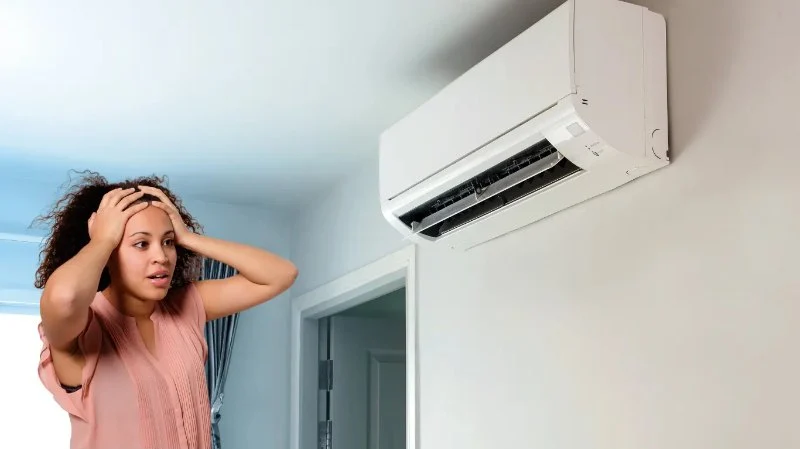
How to Fix an AC Unit That Is Not Cooling Your Home Properly
- 1. Common Reasons Why Your AC is Not Cooling
- 2. How to Diagnose and Fix Your AC
- 3. When to Call a Professional for AC Repairs
- 4. Preventing Future AC Cooling Problems
1. Common Reasons Why Your AC is Not Cooling
If your air conditioner is not cooling your home properly, there could be several underlying issues causing the problem. Some of the most common reasons include:
- Low Refrigerant Levels: If the refrigerant is low, the AC won’t be able to absorb enough heat, which can lead to inadequate cooling.
- Dirty Air Filters: A clogged air filter can restrict airflow and cause the air conditioner to struggle to cool the space properly.
- Faulty Thermostat: A malfunctioning thermostat can give inaccurate temperature readings, causing the AC to run inefficiently.
- Frozen Coils: If the evaporator coils freeze, the AC system won’t be able to effectively cool your home.
- Blocked Vents or Ducts: Blocked or obstructed vents and ducts can prevent the cool air from circulating properly throughout your home.
Identifying the cause of the issue will help you determine the best course of action to fix your AC and restore proper cooling.
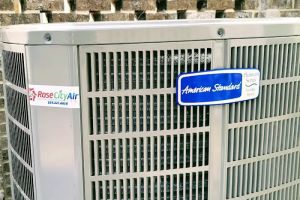
2. How to Diagnose and Fix Your AC
Once you know the potential causes of the cooling problem, you can start diagnosing and fixing your AC. Here’s a step-by-step guide to help you get started:
AC Miller Heating & Cooling
CovingtonSt. Tammany ParishLouisiana
1842 Ochsner Blvd #1034, Covington, LA 70433, USA
Step 1: Check the Thermostat
Ensure that your thermostat is set to the desired temperature and that it’s in cooling mode. If the thermostat is malfunctioning or giving incorrect readings, it may need to be recalibrated or replaced. A simple fix could be as easy as replacing the batteries or adjusting the settings.
Step 2: Clean or Replace Air Filters
Air filters should be cleaned or replaced every 1–3 months, depending on usage. Dirty filters restrict airflow, causing the AC to work harder and perform inefficiently. If the filter is clogged, replace it with a new one to allow the air to flow freely and improve the cooling process.
Step 3: Inspect the Coils
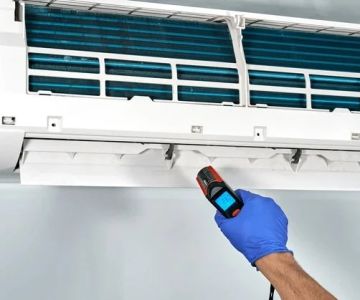
Check the evaporator coils for any signs of freezing. If you notice ice buildup, it’s likely due to low refrigerant levels or poor airflow. Turn off the system and let it thaw completely. Once thawed, check the refrigerant levels and ensure proper airflow by cleaning or replacing filters.
Step 4: Ensure Proper Refrigerant Levels
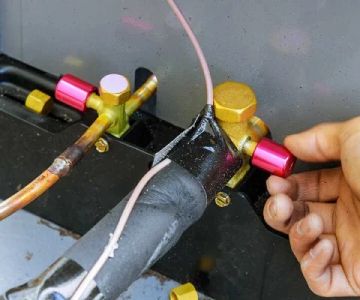
If you suspect that your AC has low refrigerant levels, you may need to recharge the system. However, recharging refrigerant requires professional equipment and knowledge to ensure the right amount is added. If you suspect a leak, it’s important to call a technician to identify and repair it before adding more refrigerant.
Step 5: Clean and Unblock Vents
Check that all vents are open and unobstructed. Remove any furniture, curtains, or debris that may be blocking airflow. You can also clean the ducts to remove dust or dirt buildup that could be restricting airflow and affecting the AC’s cooling efficiency.
3. When to Call a Professional for AC Repairs
While some minor issues can be fixed on your own, certain problems may require a professional’s expertise. Here are a few situations when it’s best to call an HVAC technician:
- Refrigerant Leaks: Low refrigerant levels due to a leak require a professional to safely locate and repair the leak before refilling the system.
- Frozen Coils: If cleaning and thawing the coils doesn’t solve the problem, it could indicate a more serious issue that requires professional attention.
- Electrical Issues: If there are any electrical problems with the AC, such as faulty wiring or a malfunctioning compressor, it’s best to have a licensed technician handle it.
- System Overhaul: If your system is old and inefficient, it may need to be replaced or overhauled by a professional technician.
For more complex repairs or if you’re unsure how to proceed, contacting a professional HVAC service is your best option. A trained technician can diagnose the issue accurately and ensure the repair is done safely.
4. Preventing Future AC Cooling Problems
To prevent future cooling problems, it’s essential to maintain your AC unit regularly. Here are some preventative steps:
- Schedule Regular Maintenance: Have your AC professionally inspected and serviced at least once a year to ensure that it’s running efficiently and to catch small problems before they become major issues.
- Clean or Replace Filters Regularly: Change air filters every 1–3 months to keep the system running smoothly and avoid airflow restrictions.
- Seal Ducts: Ensure that your ducts are properly sealed and insulated to prevent cool air from escaping and warm air from entering.
- Check Insulation: Proper insulation in your home helps maintain the desired indoor temperature and reduces the load on your AC system.
By staying on top of maintenance, you can ensure your air conditioner continues to cool your home effectively for years to come.
If you need assistance with AC repairs or maintenance, visit Ac Fix for expert advice, products, and services to keep your AC in top condition.
 AC's Heating & Air LLC4.0 (106 reviews)
 Harbin Heating & Air5.0 (47 reviews)
 Pro-Tech Automotive LLC5.0 (7 reviews)
 Blankenship Heating & Air4.0 (30 reviews)
 Pleitez Air Conditioning5.0 (24 reviews)
 Guaranteed Services Heating & Air4.0 (401 reviews)
 Pros and Cons of Trying to Replace Your Air Conditioning on Your Own
 Fastest Way to Fix Air Conditioning Without Getting Overcharged – Quick Tips and Expert Advice
 How Long Should It Take to Fix Air Conditioning? | AC Fix
 What to Do When Your Air Conditioner Stops Blowing Air – Troubleshooting Tips
 Best Air Conditioning Services Near You Today for Fast and Reliable Repairs
 How to Fix an Air Conditioner with Low Airflow