
- 1-Understanding AC Compressor Function
- 2-Common Signs of a Faulty Compressor
- 3-Initial Diagnosis and Safety Precautions
- 4-Tools and Materials Needed for Replacement
- 5-Step-by-Step Compressor Replacement Guide
- 6-Testing and Verification
- 7-Preventive Maintenance Tips
- 8-Real-Life Case Studies and Experiences
- 9-Why Ac Fix Can Assist With Compressor Issues
1. Understanding AC Compressor Function
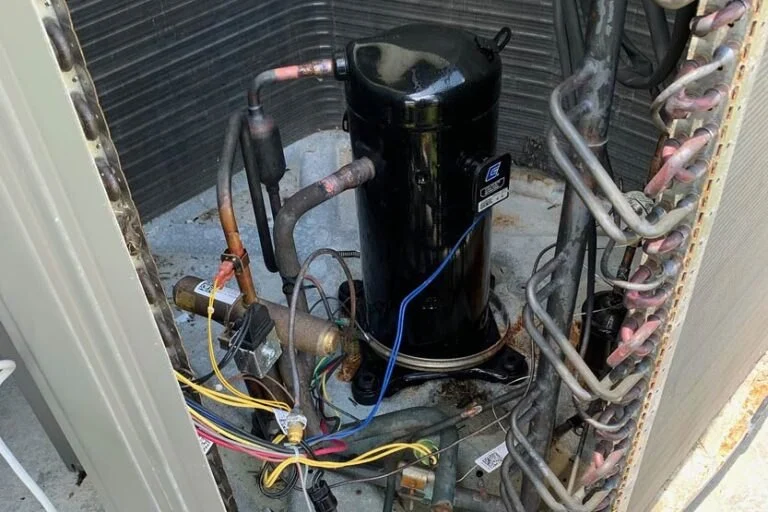
The air conditioner (AC) compressor is the heart of the cooling system. It pressurizes refrigerant and circulates it through coils to transfer heat, allowing your AC unit to cool indoor air efficiently. A properly functioning compressor ensures consistent airflow, temperature regulation, and energy efficiency.
Role in HVAC System
The compressor works with the evaporator, condenser, and expansion valve to complete the refrigeration cycle. Any malfunction disrupts cooling performance, increases energy usage, and may damage other system components.
2. Common Signs of a Faulty Compressor
Recognizing early warning signs can prevent extensive damage and costly repairs.
Insufficient Cooling
Warm air from vents despite correct thermostat settings may indicate the compressor is failing to circulate refrigerant effectively.
Unusual Noises
Grinding, clanking, or hissing sounds during operation suggest mechanical or electrical problems within the compressor.
AC System Cycling
Frequent short cycling or inability to maintain set temperatures can be symptomatic of compressor issues.
High Energy Bills
A failing compressor forces the system to work harder, consuming more electricity and increasing utility costs.
3-Initial Diagnosis and Safety Precautions
Before attempting repairs, follow diagnostic and safety protocols to prevent injury or system damage.
Visual and Operational Inspection
Check the outdoor unit for signs of burnt wiring, oil leaks, or damaged components. Monitor system operation and note abnormal behavior.
Electrical Safety
Turn off the power at the breaker and disconnect the AC unit from the main supply. Wear insulated gloves and protective eyewear before inspecting electrical connections.
Check Refrigerant Levels
Low refrigerant can mimic compressor failure symptoms. Use gauges to confirm correct pressure levels before assuming compressor replacement is necessary.
4-Tools and Materials Needed for Replacement
Proper tools and materials are essential for a safe and effective compressor replacement.
Required Tools
- Multimeter for electrical testing.
- Manifold gauge set for refrigerant checks.
- Refrigerant recovery machine.
- Socket set and wrenches.
- Vacuum pump for system evacuation.
- Torque wrench for precise fastener tightening.
Required Materials
- Replacement compressor compatible with the AC unit model.
- New refrigerant (type specified by manufacturer).
- O-rings, gaskets, and seals.
- Insulation sleeves for refrigerant lines.
- Safety equipment: gloves, goggles, and protective clothing.
5-Step-by-Step Compressor Replacement Guide
Follow these steps carefully to replace a faulty compressor:
Step 1: Power Down and Evacuate Refrigerant
Disconnect power and safely recover refrigerant using recovery equipment, complying with EPA regulations.
Step 2: Disconnect Electrical Components
Label and remove wiring connections to the compressor terminals. Ensure all capacitors and contactors are properly discharged.
Step 3: Remove Refrigerant Lines
Use a wrench to disconnect suction and discharge lines. Cap open lines to prevent moisture ingress.
Step 4: Remove Faulty Compressor
Unbolt the compressor from the mounting base. Carefully remove the unit without damaging surrounding components.
Step 5: Install Replacement Compressor
Position the new compressor, secure bolts to manufacturer torque specifications, reconnect refrigerant lines with new seals, and reattach electrical connections.
Step 6: Evacuate and Recharge System
Use a vacuum pump to remove air and moisture from the system. Recharge with the correct refrigerant type and amount, checking pressures with a manifold gauge set.
Step 7: Test Operation
Power the system and monitor for correct cooling performance, normal sound levels, and proper cycling. Ensure all electrical connections are secure and safe.
6-Testing and Verification
After replacement, perform a series of tests to confirm successful installation:
Temperature Measurement
Measure supply air temperature at vents and compare to thermostat settings.
Electrical Verification
Check current draw and voltage against manufacturer specifications to ensure safe operation.
Leak Detection
Inspect all connections for refrigerant leaks using electronic detectors or soap solution.
7-Preventive Maintenance Tips
Regular maintenance prevents premature compressor failure and extends AC lifespan:
Routine Inspections
Check electrical connections, refrigerant levels, and mechanical components seasonally.
Filter and Coil Cleaning
Clean or replace air filters and maintain condenser and evaporator coils for efficient operation.
Professional Servicing
Schedule annual HVAC checkups with licensed professionals to detect early issues before major failures.
8-Real-Life Case Studies and Experiences
Examples illustrate effective identification and replacement of faulty compressors:
Case Study 1: Residential AC Failure
A family’s AC was blowing warm air despite normal operation. Technicians discovered a seized compressor. Replacement restored full cooling functionality and prevented secondary damage to coils and ducts. Ac Fix provided guidance on safe DIY inspection and professional replacement options.
Case Study 2: Commercial HVAC Emergency
A small business experienced repeated short-cycling and high energy bills. Electrical testing revealed compressor motor issues. Prompt replacement minimized downtime and operational losses, demonstrating the importance of accurate diagnosis and professional intervention.
Lessons Learned
- Early detection prevents extensive system damage.
- Proper tools and safety procedures are critical for successful replacement.
- Regular maintenance reduces the risk of compressor failure.
9-Why Ac Fix Can Assist With Compressor Issues
Ac Fix specializes in diagnosing and replacing faulty air conditioner compressors. Services include:
- Comprehensive compressor inspection and troubleshooting.
- Guided DIY and professional replacement options.
- Refrigerant management and system recharge according to regulations.
- Preventive maintenance advice to extend system lifespan.
- Access to case studies, expert consultation, and step-by-step guidance.
Using Ac Fix ensures safe, efficient, and reliable resolution of AC compressor issues, restoring optimal performance, comfort, and energy efficiency for both residential and commercial HVAC systems.

 Trouth Air Conditioning & Sheet Metal4.0 (376 reviews)
 Hoffman & Hoffman, Inc.5.0 (2 reviews)
 Danny Larcom Heating & Air5.0 (1 reviews)
 Green's Auto Service4.0 (106 reviews)
 Air Service Professionals Heating and Cooling Specialists4.0 (61 reviews)
 Pilcher Repairs5.0 (2 reviews)
 How Much Does It Really Cost to Fix a Cheap AC?
 What to Do When You Need to Fix Your AC Cheaply and Immediately
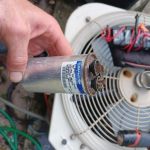 How to Repair a Faulty Air Conditioner Compressor: A Step-by-Step Guide
 How to Troubleshoot and Fix a Noisy Air Conditioner: A Complete Guide
 How Much Does It Really Cost to Fix an AC Unit?
 Troubleshooting Tips for an Air Conditioner That’s Not Cooling Your Home