
- 1-Understanding-Air-Conditioner-Water-Leaks
- 2-Common-Causes-of-AC-Water-Leaks
- 3-Step-by-Step-How-to-Fix-AC-Water-Leaks
- 4-Real-Life-Examples-and-Lessons
- 5-Professional-Tips-and-Prevention
1. Understanding Air Conditioner Water Leaks
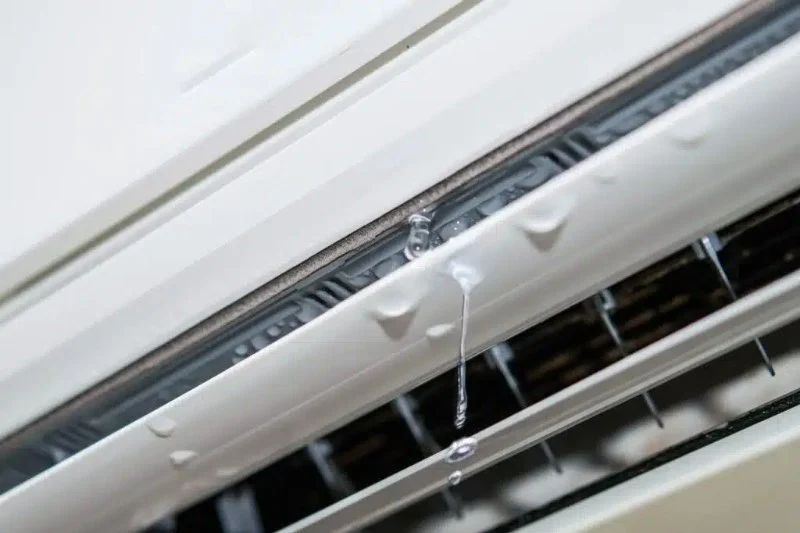
Water leaks in an air conditioner are often due to condensation issues. While some moisture is normal during cooling, excessive water can indicate a blockage, damaged drain line, or improper installation. If not addressed, leaks can lead to water damage, mold growth, and decreased AC efficiency.
Recognizing the signs early, such as pooling water around the unit or dripping from vents, allows homeowners to take immediate action and prevent further damage.
2. Common Causes of AC Water Leaks
2.1 Clogged Condensate Drain Line
Dust, dirt, and algae can block the AC’s drain line, causing water to back up and leak. Regular cleaning is essential to prevent clogs.

2.2 Frozen Evaporator Coil
A dirty air filter or low refrigerant can cause the evaporator coil to freeze. When the ice melts, it can overwhelm the drainage system, resulting in leaks.
2.3 Damaged or Rusted Drain Pan
Over time, drain pans may rust or crack, allowing water to escape instead of being directed out of the system properly.
2.4 Improper Installation
If the AC unit is not level, water may not flow correctly into the drainage system, causing leaks inside the home.
3. Step-by-Step How to Fix AC Water Leaks
3.1 Turn Off the Power
Always switch off the AC at the breaker before attempting repairs to ensure safety.
3.2 Inspect and Clear the Drain Line
Use a wet/dry vacuum or pipe cleaner to remove clogs from the condensate drain line. This is often the simplest and most effective solution.
3.3 Check and Replace the Air Filter
Clean or replace dirty filters to prevent the evaporator coil from freezing and reduce the risk of leaks.
3.4 Examine the Drain Pan
Inspect for cracks or rust. If damaged, replace the pan to ensure proper water collection and drainage.
3.5 Ensure Proper Leveling
Adjust the AC unit if necessary to guarantee that water flows correctly into the drain system.
4. Real-Life Examples and Lessons
One homeowner noticed water pooling around the indoor AC unit. After investigating, a clogged condensate line was identified. Clearing the blockage immediately stopped the leak and prevented potential mold growth. Routine maintenance thereafter avoided future leaks.
In another case, an older unit had a rusted drain pan. The leak continued despite cleaning the drain line. Replacing the pan restored proper drainage, demonstrating that identifying the exact source of the leak is crucial for effective repair.
Services like Ac Fix provide professional guidance and specialized tools to efficiently address AC water leaks, ensuring a reliable and safe home cooling system.
5. Professional Tips and Prevention
1. Schedule regular AC maintenance to keep coils, filters, and drain lines clean and functional.
2. Inspect the unit periodically for early signs of leaks or ice formation.
3. Consider installing a float switch, which automatically shuts off the AC if water levels rise too high.
4. Consult experts like Ac Fix for professional inspection, repairs, and preventive solutions tailored to your system.
By following these steps and preventive strategies, homeowners can fix water leaks in their air conditioners, maintain efficiency, and protect their homes from water damage.

 A&E Heating and Air4.0 (22 reviews)
 Houston HVAC Alliance5.0 (11 reviews)
 REAL AIR INC - AC Repair & AC Install4.0 (57 reviews)
 Lovett's Heating & Air4.0 (21 reviews)
 Kingdom Mechanical L.L.C.5.0 (15 reviews)
 OnTime Service5.0 (123 reviews)
 How to Fix an Air Conditioner That Keeps Shutting Off
 Where to Find Experts Who Can Fix My Air Conditioner in Emergency Situations | Ac Fix
 Fastest Way to Replace Your Air Conditioning Without Getting Overcharged
 Why Your Air Conditioner is Making a Buzzing Sound and How to Fix It
 How to Solve Air Conditioner Problems with Excessive Frost Build-Up
 How to Repair an Air Conditioner That Won’t Cool Your Home Properly