
- 1 - Understanding AC Fuses and Their Role
- 2 - Common Causes of Blown Fuses in AC Units
- 3 - Safety First: Preparing to Repair a Blown Fuse
- 4 - Step-by-Step Fuse Replacement
- 5 - Diagnosing Underlying Electrical Issues
- 6 - Real-Life Examples and Lessons
- 7 - Preventive Tips to Avoid Blown Fuses
- 8 - How Ac Fix Can Help
1. Understanding AC Fuses and Their Role
The fuse in your air conditioner acts as a protective device for electrical circuits. When there is an electrical overload or short circuit, the fuse "blows," cutting off power to prevent damage to other components.
1.1 Types of Fuses in Air Conditioners
Most residential AC units use cartridge fuses or plug fuses in the disconnect box near the outdoor unit. Understanding the type of fuse in your system is essential for safe replacement.
1.2 How Fuses Protect Your AC
Fuses prevent overheating, fire hazards, and damage to sensitive components such as compressors and fans. A blown fuse is a warning sign that something in the system requires attention.
2. Common Causes of Blown Fuses in AC Units
Identifying the reason behind a blown fuse is crucial to prevent repeated failures.
2.1 Electrical Overload
Excessive current due to a malfunctioning compressor, blocked fan, or improper wiring can cause a fuse to blow. Overload is one of the most frequent culprits.
2.2 Short Circuit
Short circuits occur when electrical connections touch unintentionally, often due to damaged wires, corrosion, or moisture intrusion.
2.3 Age and Wear
Old fuses may degrade over time, making them more susceptible to blowing even under normal conditions.
3. Safety First: Preparing to Repair a Blown Fuse
Electrical work requires caution. Follow these steps to stay safe:
3.1 Turn Off Power
Shut off the main breaker before accessing your AC fuse to avoid shocks or injury.
3.2 Use Protective Gear
Wear insulated gloves and safety glasses when working on your AC unit to prevent accidents.
3.3 Verify Power is Off
Use a voltage tester to confirm no current is flowing before touching any components.
4. Step-by-Step Fuse Replacement
Once safety measures are in place, you can proceed with fuse replacement.
4.1 Locate the Fuse
Typically, fuses are found in the disconnect box near the outdoor unit or inside the main service panel for the AC.
4.2 Remove the Blown Fuse
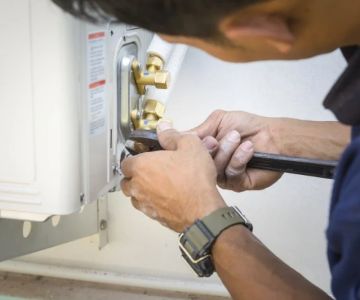
Carefully remove the blown fuse and inspect it. Signs of a blown fuse include a broken filament or blackened glass.
4.3 Install a New Fuse
Replace the fuse with one of the same type and rating. Using the wrong fuse can damage your AC or create a safety hazard.
4.4 Restore Power and Test
Turn the power back on and test your AC. If the new fuse blows immediately, there is an underlying electrical problem that must be addressed.
5. Diagnosing Underlying Electrical Issues
Repeated fuse failures indicate deeper problems.
5.1 Check the Compressor and Fan Motors
Overheating or seized motors can draw excess current. Technicians can measure amperage and diagnose motor issues accurately.
5.2 Inspect Wiring and Connections
Loose, frayed, or corroded wires can cause short circuits. Professional inspection ensures all connections are safe.
5.3 Evaluate Circuit Breaker and Panel
Sometimes, AC fuses blow due to outdated or overloaded electrical panels. Upgrading the system may prevent future issues.
6. Real-Life Examples and Lessons
A homeowner in Florida noticed their AC repeatedly blowing fuses. After inspection by Ac Fix technicians, a partially seized compressor and corroded wiring were identified. Repairing the motor and replacing damaged wiring resolved the issue permanently.
Another scenario involved a new AC installation where the fuse kept blowing due to a mismatched rating. Correcting the fuse specification immediately restored proper operation, showing the importance of correct fuse selection.
7. Preventive Tips to Avoid Blown Fuses
Preventive maintenance reduces the risk of electrical issues.
7.1 Regular AC Inspections
Annual inspections can detect potential overloads or wiring problems before they cause a fuse to blow.
7.2 Clean and Maintain Components
Keep coils, fans, and compressors clean and free of debris. Proper airflow reduces strain on electrical components.
7.3 Monitor Electrical Usage
Observe energy consumption and any unusual behavior in your AC unit. Early detection prevents major failures.
8. How Ac Fix Can Help
Ac Fix provides professional AC troubleshooting, fuse replacement, and electrical repairs. Their certified technicians ensure safe, accurate diagnosis and long-term solutions, protecting your AC from recurring electrical problems. With emergency services and preventive maintenance plans, Ac Fix keeps your air conditioner running efficiently and safely.

 Excel Heating & Cooling, LLC4.0 (48 reviews)
 American Home and Commercial Services5.0 (1 reviews)
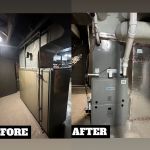 Frazier Plumbing Heating & Air Conditioning Inc.4.0 (36 reviews)
 Scotts Air Care, LLC5.0 (51 reviews)
 Daniel's Heating & Air LLC5.0 (5 reviews)
 Epic AC Service4.0 (307 reviews)
 Experts Explain How to Fix Your AC Like a Pro: A Complete Guide
 How to Troubleshoot and Fix an Air Conditioner That Won’t Turn On
 How to Troubleshoot Your Air Conditioner’s Refrigerant Issues
 What to Do When Your Air Conditioner Stops Blowing Air – Troubleshooting Tips
 How to Spot Common Air Conditioning Problems and Fix Them Early
 Where to Fix Air Conditioner Near Me in Emergency Situations – Quick & Reliable Help