

Why Early Detection of Air Conditioning Problems Matters
Air conditioning units are a lifeline during the hot summer months, but like any other appliance, they can experience issues over time. Addressing problems early can save you from costly repairs or replacements, increase your unit's lifespan, and keep your home comfortable. Spotting issues early ensures your air conditioning system works efficiently, saving both energy and money. Let’s dive into the most common problems with air conditioning units and how to deal with them before they escalate.
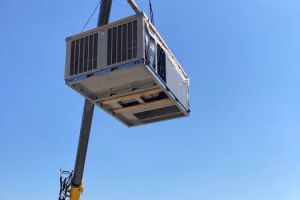
Common Air Conditioning Problems
Most air conditioning problems can be traced to a few common causes. Here are some of the most frequent issues homeowners face:

1. Insufficient Cooling
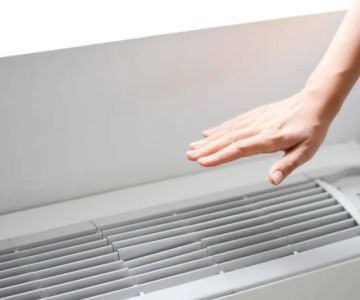
One of the most common issues with air conditioners is insufficient cooling. If your AC is running but not cooling your home properly, it could be due to various reasons like a dirty filter, low refrigerant levels, or a malfunctioning thermostat.
Solution: Start by checking and replacing the air filter if it’s clogged. A dirty filter restricts airflow and reduces the system's efficiency. If the filter is clean and the issue persists, it could be a refrigerant leak or a thermostat malfunction, both of which may require professional repair.
2. Strange Noises
Unusual noises coming from your air conditioning unit are a red flag that something is wrong. Common sounds include rattling, buzzing, or grinding, which often indicate loose parts, debris in the fan, or issues with the compressor.
Solution: Turn off the system and inspect it for any visible signs of damage. If you hear a grinding noise, the fan or motor might be faulty. In this case, it’s best to call a technician who can diagnose and repair the problem safely.
3. Water Leaks
Water pooling around your AC unit could be a sign of a clogged condensate drain, frozen evaporator coils, or a refrigerant leak. Water leaks can damage your flooring and cause mold growth if left untreated.
Solution: Check the condensate drain for blockages and clear any debris. If the problem persists, your evaporator coils might be frozen due to poor airflow or low refrigerant levels, which could require professional intervention.
4. Foul Odors
Musty, burning, or stale odors coming from your AC unit could indicate mold growth in the ductwork or a problem with the wiring or motor.
Solution: If the smell is musty, it may be mold or mildew growth in the ductwork. Clean the ducts and replace the air filter. If you smell burning, it could be an electrical issue, and it’s essential to turn off the system and contact a professional immediately to prevent further damage.
How to Fix Air Conditioning Problems Early
Fixing air conditioning problems early is often as simple as performing regular maintenance or addressing minor issues as soon as they arise. Here's how you can proactively maintain your system:
1. Clean or Replace the Air Filter Regularly
Air filters should be cleaned or replaced every one to three months, depending on usage. A clogged filter restricts airflow, making the unit work harder, which can lead to overheating or inefficient cooling.
Solution: Replace or clean your air filter regularly to ensure proper airflow and maximum efficiency. This simple task can prevent a variety of issues from developing.
2. Schedule Regular Professional Maintenance
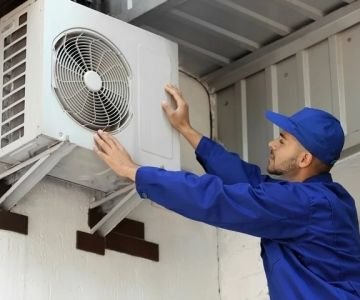
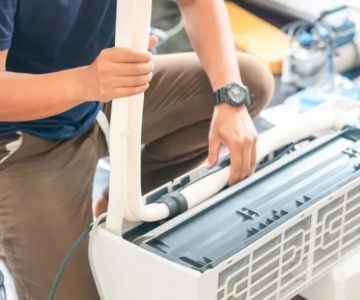
While you can handle basic maintenance yourself, professional check-ups are essential for spotting problems early. A licensed HVAC technician can inspect your system for potential issues such as refrigerant leaks, electrical problems, or mechanical wear and tear.
Solution: Schedule an annual maintenance check-up before the start of each cooling season. Regular maintenance can extend the lifespan of your AC unit and help you avoid unexpected breakdowns.
3. Keep the Evaporator and Condenser Coils Clean
The evaporator and condenser coils in your air conditioning unit can accumulate dirt over time, reducing efficiency and causing your system to overheat or freeze. Keeping them clean is crucial for maintaining optimal performance.
Solution: Inspect and clean the coils regularly. If you notice dirt buildup, use a vacuum or soft brush to gently clean them. If the coils are severely dirty, it may be time to call a professional technician for a more thorough cleaning.
4. Check the Thermostat Settings
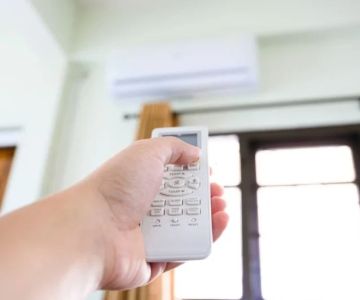
If your AC is not cooling properly, ensure the thermostat is set to the correct temperature. Inaccurate settings can cause the system to work inefficiently or not turn on at all.
Solution: Verify that the thermostat is functioning correctly and is set to the desired temperature. If your thermostat is outdated or malfunctioning, replacing it with a newer, programmable model can improve the system's efficiency.
When to Call a Professional
While many air conditioning problems can be fixed with DIY maintenance, some issues require professional help. Here’s when to call an expert:
1. Complex Refrigerant Issues
If your AC is low on refrigerant or has a refrigerant leak, it’s essential to call a licensed HVAC technician. Handling refrigerant requires specialized knowledge and tools, as it can be hazardous if mishandled.
2. Electrical Problems
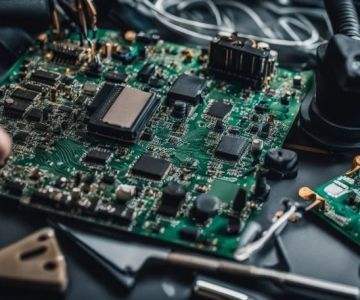
Electrical issues such as faulty wiring, broken motors, or malfunctioning capacitors should only be addressed by a professional. Attempting to fix electrical components yourself can be dangerous and lead to further damage.
3. Frequent Breakdowns
If your air conditioner is constantly breaking down, it might be time to replace it. A professional can assess whether it’s more cost-effective to repair or replace the unit, taking into account its age and the frequency of issues.
If you need help fixing your air conditioning system, visit Ac Fix for expert advice, trusted products, and services to ensure your home stays cool and comfortable all year round.

 Kerr Heating & Cooling, Inc4.0 (23 reviews)
 Development Air Conditioning & Heating Inc3.0 (11 reviews)
 Nassau Appliance & HVAC Service, LLC4.0 (39 reviews)
 Bowlin's Auto Repair4.0 (65 reviews)
 San Antonio Auto Center4.0 (123 reviews)
 South Heating and Cooling LLC4.0 (25 reviews)
 How to Repair and Maintain Your Air Conditioner’s Condenser
 Everything You Need to Know Before Fixing Air Conditioning for Homeowners
 Common Mistakes When Fixing Your AC Unit and How to Avoid Them
 Can You Fix AC Condenser Without Replacing the Entire System?
 Who Should You Trust When You Need to Fix an Air Conditioning Leak? | Expert Tips
 How Much Does It Really Cost to Fix My AC? A Comprehensive Guide