
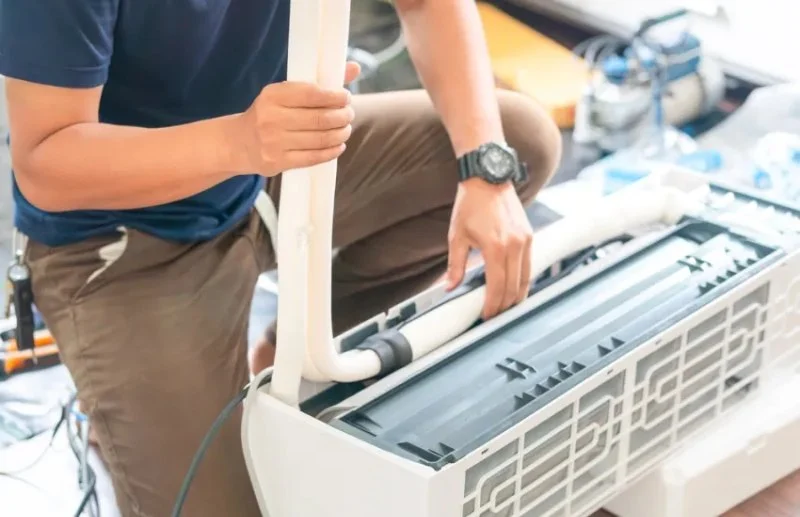
- 1- Understanding Low Refrigerant Issues in Air Conditioners
- 2- Symptoms of Low Refrigerant in Your Air Conditioner
- 3- How to Fix Low Refrigerant in Your Air Conditioner
- 4- Tips to Improve Cooling Efficiency of Your AC
- 5- When to Call a Professional for Air Conditioner Repairs
1. Understanding Low Refrigerant Issues in Air Conditioners
Refrigerant is the substance that cools the air in your air conditioning unit. It works by absorbing heat from inside your home and releasing it outside. However, if the refrigerant levels drop too low, your AC unit won’t be able to perform efficiently, leading to poor cooling performance.
Low refrigerant in an air conditioner typically occurs due to a refrigerant leak. If there’s a leak in the system, refrigerant can escape, reducing the cooling power of your unit. It's important to understand that the refrigerant itself does not deplete or get used up in normal operation—only leaks can cause low refrigerant levels.
Strada Services
Port St. LucieSt. Lucie CountyFlorida
660 NW Peacock Blvd, Port St. Lucie, FL 34986, USA
2. Symptoms of Low Refrigerant in Your Air Conditioner
Recognizing the symptoms of low refrigerant can help you address the issue before it becomes a bigger problem. Some common signs include:
- Poor Cooling Performance: If your AC is blowing warm or mildly cool air instead of cold air, low refrigerant is often the cause.
- Frozen Coils: A common symptom of low refrigerant is the freezing of the evaporator coils. If you notice ice buildup on the coils, this could be due to insufficient refrigerant.
- Increased Energy Bills: When your AC has to work harder to cool your home due to low refrigerant, you may notice higher energy bills.
- Hissing or Bubbling Sounds: A refrigerant leak often causes these sounds as the refrigerant escapes from the system.
If you observe any of these symptoms, it’s important to address the refrigerant issue as soon as possible to avoid further damage to your AC unit.
Grand Air Conditioning Contractor
Grand PrairieDallas CountyTexas
217 W Main St, Grand Prairie, TX 75050, USA
3. How to Fix Low Refrigerant in Your Air Conditioner
Fixing low refrigerant in your air conditioner requires addressing the leak and recharging the system. Here are the general steps:
- Step 1: Locate the Leak – If you suspect a refrigerant leak, the first step is to locate the leak. This may require specialized equipment, such as a leak detector or ultraviolet dye, to pinpoint the leak's location.
- Step 2: Repair the Leak – Once the leak is located, it must be repaired. Depending on the severity of the leak, this may involve sealing a small crack or replacing a damaged component in the refrigerant lines.
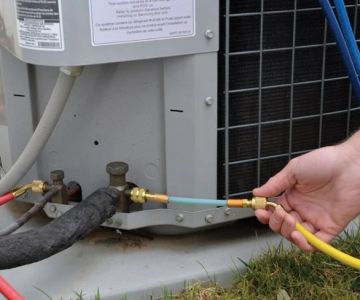
- Step 3: Recharge the System – After repairing the leak, the refrigerant system needs to be recharged with the appropriate refrigerant type. Only a qualified technician should perform this step, as it requires knowledge of the correct refrigerant and the correct amount to use.
- Step 4: Test the System – Once the refrigerant is recharged, it’s important to test the system. Ensure the cooling performance is restored, and monitor for any signs of leaks or other issues.
Although it’s possible to fix low refrigerant issues yourself, it’s recommended to seek professional help to ensure the job is done safely and correctly. Improper handling of refrigerants can be dangerous and may violate environmental regulations.
4. Tips to Improve Cooling Efficiency of Your AC
Once you've addressed the refrigerant issue, there are several ways to improve the cooling efficiency of your air conditioner. Here are some helpful tips:
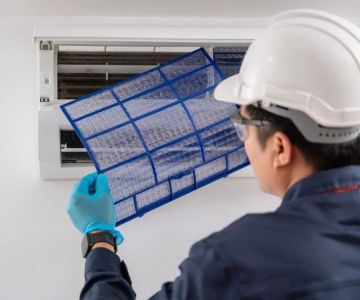
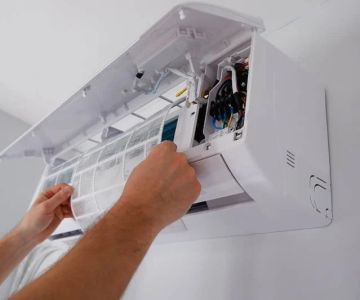
- Change the Air Filter Regularly: Dirty filters can reduce airflow and make your AC unit work harder. Replace the filter every 1-3 months for optimal performance.
- Ensure Proper Insulation: Insulate your home to prevent cool air from escaping and warm air from entering. Proper insulation improves the efficiency of your AC by keeping the temperature stable inside your home.
- Maintain Clean Coils: The evaporator and condenser coils should be cleaned regularly. Dirt and debris can accumulate on the coils, preventing efficient heat exchange and reducing cooling performance.
- Seal Gaps and Leaks: Check around windows and doors for gaps where cool air might escape. Sealing these gaps can help your AC maintain a consistent temperature.
By incorporating these tips, you can help your air conditioner run more efficiently, reducing energy consumption and improving cooling performance.
5. When to Call a Professional for Air Conditioner Repairs
While some minor AC issues can be addressed by homeowners, certain problems require professional expertise. You should call a licensed HVAC technician in the following situations:
- If You Suspect a Refrigerant Leak: Handling refrigerants requires specialized equipment and knowledge. If you're unable to locate or repair the leak, it’s best to call a professional.
- If the System Is Not Cooling Properly: If your air conditioner is not cooling effectively, it could be due to a variety of issues, including low refrigerant, mechanical failure, or electrical problems. A professional can diagnose and fix the problem.
- If the AC Is Making Strange Noises: Unusual noises could indicate a mechanical issue that requires professional inspection and repair.
For expert AC repair services and products, visit Ac Fix to get the best recommendations and solutions for your air conditioner needs.
 Larkey HVAC4.0 (101 reviews)
 Colonial Home Services - Electrician VB5.0 (10 reviews)
 Esquire Heating And Air4.0 (79 reviews)
 Air Solutions Heating & Air4.0 (80 reviews)
 Davis Air Conditioning & Heating, Inc.4.0 (17 reviews)
 Sears Heating and Air Conditioning4.0 (499 reviews)
 Troubleshooting an Air Conditioner with a Faulty Control Board – A Step-by-Step Guide
 The Best Ways to Fix Air Conditioning Quickly and Affordably in Your Area
 The Ultimate Checklist to Fix Wall Air Conditioner Successfully
 What to Do When You Need to Fix Your AC Immediately: A Step-by-Step Guide
 How to Extend the Lifespan of Your Air Conditioner with Routine Maintenance
 10 Signs It's Time to Air Conditioning Replace