
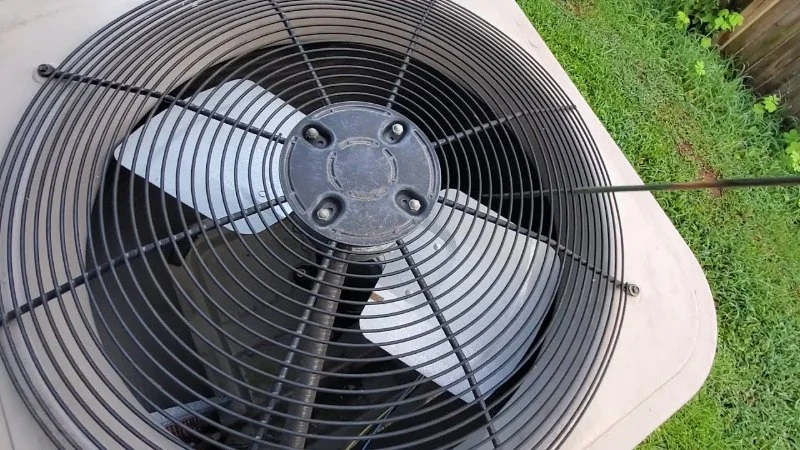
- 1-Introduction to AC Fan Problems
- 2-Common Reasons Your AC Fan Won’t Start
- 3-Troubleshooting Steps for AC Fan Issues
- 4-Preventative Maintenance to Avoid Future Fan Problems
- 5-Case Study: Fixing an AC Fan that Won’t Start
- 6-When to Call a Professional for AC Fan Repair
- 7-Conclusion: Keeping Your AC Fan Running Smoothly
1. Introduction to AC Fan Problems
When the summer heat hits, the last thing you want is for your air conditioner (AC) fan to stop working. The AC fan is responsible for circulating cool air throughout your home, and without it, your cooling system becomes ineffective. If your AC fan won’t start, it can lead to a lack of airflow, making your home unbearably warm. In this article, we will explore the common reasons why your AC fan might not be working and offer practical troubleshooting tips to get it back up and running. Whether you're a DIY enthusiast or prefer professional help, understanding these issues will help you make informed decisions for your cooling system.
2. Common Reasons Your AC Fan Won’t Start
There are several reasons why your AC fan may not be starting. Some of the most common causes include:
- Power Supply Issues: The fan may not start if there is a problem with the power supply, such as a tripped circuit breaker or a blown fuse.
- Dirty Air Filter: A clogged or dirty air filter can restrict airflow, causing the fan to overheat and shut down.
- Faulty Capacitor: The capacitor helps the fan motor start. If it malfunctions, the fan may fail to turn on.
- Broken Fan Motor: If the fan motor is damaged or worn out, it may prevent the fan from operating.
- Thermostat Issues: If the thermostat is not functioning properly, it may not signal the AC system to start the fan.
- Wiring Problems: Loose or damaged wiring can disrupt the connection between the fan and the power supply, causing the fan not to start.
3. Troubleshooting Steps for AC Fan Issues
If your AC fan won’t start, follow these troubleshooting steps to identify and resolve the issue:
- Check the Power Supply: Ensure that your AC unit is plugged in and that the circuit breaker hasn't tripped. If the breaker is tripped, reset it and try again.
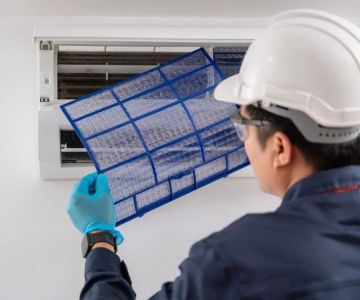
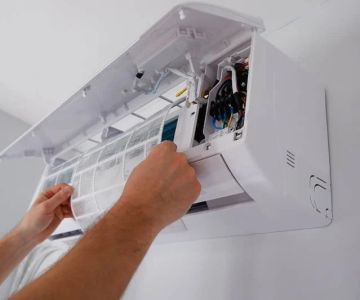
- Inspect the Air Filter: Check the air filter for dirt and debris. If it’s dirty, replace it with a new one or clean it if it’s reusable. A clogged air filter can cause the fan motor to overheat.
- Examine the Capacitor: If you're comfortable doing so, inspect the capacitor for any signs of damage, such as bulging or leakage. If the capacitor is faulty, it may need to be replaced.
- Listen for Fan Motor Noises: If you hear a humming sound, it could indicate a faulty motor. If the motor is not turning at all, it may need to be replaced.
- Check the Thermostat Settings: Make sure the thermostat is set to "cool" and that the temperature is set low enough for the fan to turn on. If the thermostat is malfunctioning, it may not trigger the AC fan to start.
- Inspect Wiring Connections: Look for any loose or frayed wiring in the AC unit, as this could be preventing the fan from receiving power. Tighten any loose connections and replace any damaged wires.
4. Preventative Maintenance to Avoid Future Fan Problems
Regular maintenance can help keep your AC fan running smoothly and prevent issues from arising. Here are a few simple tasks to incorporate into your maintenance routine:
- Replace the Air Filter Regularly: Change or clean your air filter every 1-3 months to ensure proper airflow and prevent overheating.
- Clean the Fan Blades: Dust and dirt on the fan blades can cause the motor to strain. Clean the blades periodically to keep the fan working efficiently.
- Schedule Annual AC Inspections: Have a professional HVAC technician inspect and tune-up your AC system annually to catch any potential issues early.
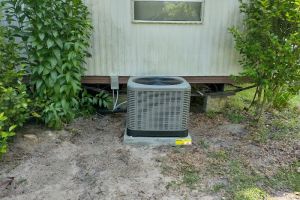
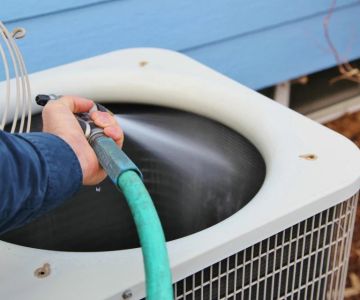
- Clear the Condenser Unit: Ensure the condenser unit outside your home is free from debris such as leaves and dirt, which can block airflow and affect the fan’s performance.
5. Case Study: Fixing an AC Fan that Won’t Start
Let’s take a look at a real-world example. The Roberts family noticed that their AC fan had stopped working during a particularly hot summer. After trying to reset the circuit breaker and cleaning the air filter, the fan still wouldn’t start. They called a professional technician who found that the issue was a faulty capacitor. After replacing the capacitor, the fan started working again, and the Roberts family was able to enjoy cool air throughout the rest of the summer.
This case highlights the importance of identifying the root cause of the problem and knowing when to seek professional help. While some issues can be fixed with basic troubleshooting, others may require specialized knowledge and tools to repair properly.
6. When to Call a Professional for AC Fan Repair
If your troubleshooting efforts don’t resolve the issue, it may be time to call in a professional HVAC technician. Here are a few signs that you should seek expert help:
- The fan motor is making unusual noises: If the fan motor is humming or making grinding noises, it may be a sign of a more serious issue.
- Frequent tripping of the circuit breaker: If the circuit breaker trips regularly, this could indicate a more complex electrical problem that requires professional attention.
- The fan motor has stopped completely: A completely dead fan motor usually requires replacement, which should be done by a professional.
7. Conclusion: Keeping Your AC Fan Running Smoothly
A malfunctioning AC fan can be a frustrating problem, especially during the hottest months of the year. By understanding the common causes of fan failure and following the troubleshooting steps outlined in this article, you can often resolve minor issues yourself. However, for more serious problems, it's important to call a professional to avoid further damage. Regular maintenance is key to preventing future fan issues and ensuring your AC system operates efficiently. For more expert solutions and high-quality AC products, visit Ac Fix for all your air conditioning needs.
 7 DAYS Air Conditioning & Heating4.0 (13 reviews)
 Blue Fox4.0 (204 reviews)
 Spectrum Heat and Air4.0 (95 reviews)
 Bucky Holland Heating Cooling Plumbing4.0 (1795 reviews)
 SKMES4.0 (22 reviews)
 Sal & Al Air Conditioning & Heating0.0 (0 reviews)
 How to Fix Your AC Without Breaking the Bank
 How Much Does It Really Cost to Fix My AC? A Comprehensive Guide
 How to Fix an Air Conditioner That Won’t Cool Your Room
 10 Signs It's Time to Ask: Who Can Fix My AC?
 Affordable Wall Air Conditioner Repair Services Near You | AC Repair Guide
 Everything You Need to Know Before Fixing Your Air Conditioning