
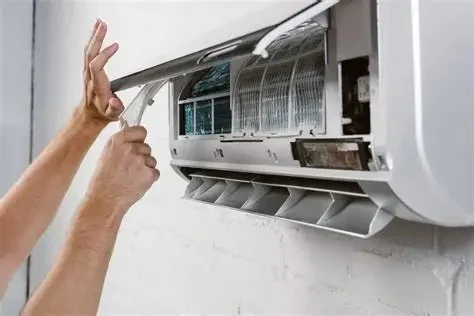
Everything You Need to Know Before Fixing Your Air Conditioning
- 1. Understanding Your AC System
- 2. Common Causes of AC Problems
- 3. How to Diagnose AC Issues
- 4. When to Call a Professional
- 5. Steps to Fix Your AC
- 6. Preventative Maintenance for Your AC
1. Understanding Your AC System
Before diving into repairs, it's essential to understand how your air conditioning (AC) system works. Your AC unit uses a complex series of components, including the compressor, condenser, evaporator coil, and refrigerant, to cool your home or office. The compressor pumps refrigerant through the system, which absorbs heat and releases cool air into your space.
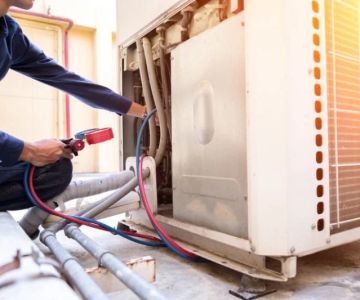
Understanding the basics of your AC system helps in diagnosing issues. For example, a common issue might stem from the refrigerant, which is essential to the cooling process. If there's a leak or insufficient refrigerant, your AC might not cool effectively.
2. Common Causes of AC Problems
AC problems can arise from several common causes. Identifying the root cause of your issue can help you decide whether a DIY fix is possible or if you need professional help. Here are some common reasons your AC might not be working as expected:
- Clogged Air Filters: Dirty or clogged filters reduce airflow, causing your AC to work harder and potentially overheat.
- Refrigerant Leaks: If your AC is low on refrigerant, it may not cool effectively, and leaks must be repaired before the refrigerant can be refilled.
- Frozen Coils: If your evaporator coils freeze, it’s often due to a lack of airflow, which could be caused by dirty filters or a malfunctioning blower fan.
- Broken Thermostat: A malfunctioning thermostat may give inaccurate readings, making your AC run too often or not enough.
3. How to Diagnose AC Issues
Diagnosing AC issues can be challenging, but there are some steps you can take to narrow down the cause of the problem:
- Check the Air Filter: Start by inspecting the air filter. If it’s dirty or clogged, replace it, and see if airflow improves.
- Inspect the Refrigerant Level: If you suspect a refrigerant leak, look for signs of oily residue around the AC coils or hoses. A professional may need to refill the refrigerant and repair any leaks.
- Listen for Strange Noises: Strange noises can point to specific issues. A hissing sound may indicate a refrigerant leak, while a rattling sound could be caused by debris in the fan.
- Check the Thermostat: Ensure the thermostat is set to the correct temperature and is functioning properly. A broken thermostat will need to be replaced.
These basic steps can help you identify the problem, but complex issues may require the expertise of a professional technician.
4. When to Call a Professional
While diagnosing and fixing minor AC issues can be a DIY project, there are times when you should call a professional technician. Here are situations where it’s best to seek expert help:
- Refrigerant Leaks: Handling refrigerant requires specialized knowledge and equipment. Leaks should be addressed by a professional to ensure safety and proper repair.
- Frozen Coils: Frozen coils can be a symptom of a more significant issue, such as a malfunctioning blower motor. A professional can identify and fix the underlying cause.
- Electrical Problems: If your AC unit is not turning on or is repeatedly tripping the circuit breaker, an electrician or AC technician is needed to address the electrical components safely.
- Compressor Problems: Replacing a faulty compressor is a complicated and costly repair that requires professional expertise.
If you’re unsure, it’s always better to err on the side of caution and call a professional to avoid making the problem worse or risking further damage.
5. Steps to Fix Your AC
If you’re attempting a DIY AC repair, here are some steps to follow to ensure you’re doing it safely and effectively:
- Turn Off the Power: Before you do anything, ensure the power to the AC unit is completely turned off to avoid injury or further damage.
- Replace or Clean the Filter: Check the air filter and replace it if necessary. A dirty filter can block airflow and reduce cooling efficiency.
- Inspect the Coils: Clean the evaporator and condenser coils if they are dirty. Use a soft brush or a vacuum cleaner with a brush attachment to remove debris.
- Check for Leaks: If you suspect a refrigerant leak, call a professional to address the issue. A leak can’t be fixed easily by a DIYer and requires specialized tools and skills.
These basic steps can help get your AC back in working order, but remember that not all problems are simple to fix, and you should call a professional if the issue persists.
6. Preventative Maintenance for Your AC
Regular maintenance can extend the lifespan of your AC and prevent future problems. Here are a few tips for keeping your AC in top condition:
- Schedule Annual Inspections: Have a professional technician inspect your AC unit annually to catch issues early before they become significant problems.
- Replace Filters Regularly: Change your AC filter every 1-3 months to ensure optimal airflow and efficiency.
- Clean the Coils: Clean the evaporator and condenser coils at least once a year to prevent dirt buildup and maintain proper heat exchange.
- Check the Ductwork: Ensure that the ductwork is sealed and insulated correctly to prevent leaks and improve efficiency.
By following these preventative maintenance tips, you can keep your AC system running efficiently and reduce the likelihood of costly repairs in the future. For expert maintenance services, visit AC Fix for the best products and recommendations tailored to your needs.
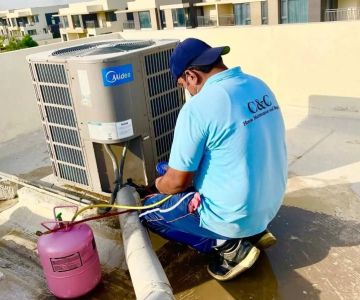
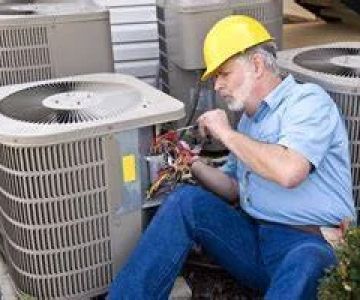


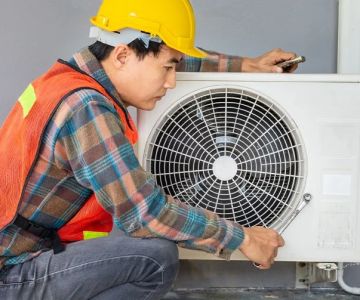
 Cornerstone AC & Heating4.0 (15 reviews)
 TemperaturePro Charleston4.0 (334 reviews)
 Pioneer Heating & Air Services5.0 (11 reviews)
 Adas Auto Repair & Towing4.0 (65 reviews)
 A/C Doctors Inc.4.0 (470 reviews)
 SERVPRO of Alexandria4.0 (42 reviews)
 Fastest Way to Fix AC Unit Without Getting Overcharged in the US
 How Long Should It Take to Fix an Air Conditioning Leak?
 Top Ways to Fix Your AC Quickly and Affordably in Your Area
 How to Fix Air Conditioners Without Spending a Fortune
 Best Practices for a Successful and Affordable AC Fix
 Where to Fix Air Conditioning in Emergency Situations: Quick Solutions