
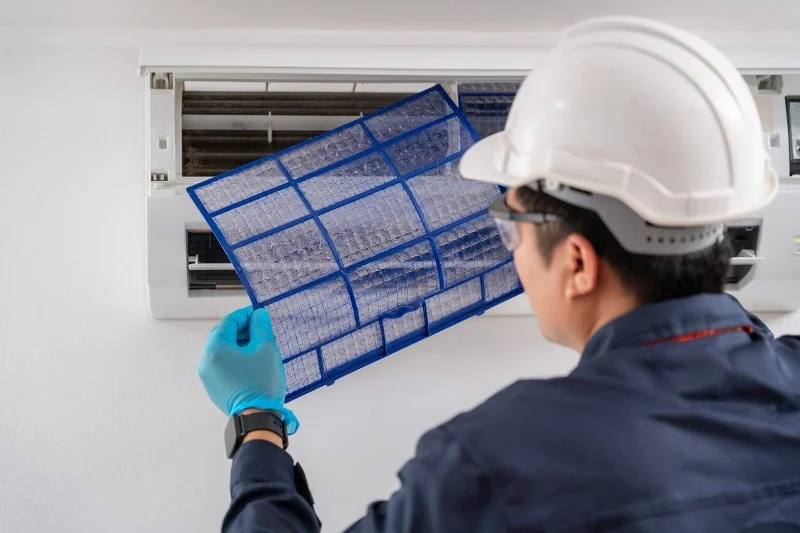
- 1. The Importance of Cleaning Your Air Conditioner’s Filters
- 2. How Often Should You Clean Your AC Filters?
- 3. Steps to Clean Your Air Conditioner’s Filters
- 4. Common Issues Caused by Dirty AC Filters
- 5. When to Replace Your Air Conditioner’s Filters
- 6. Maintaining AC Filters for Long-Term Performance
1. The Importance of Cleaning Your Air Conditioner’s Filters
Cleaning your air conditioner's filters is a crucial part of routine maintenance that should not be overlooked. Air filters trap dust, dirt, allergens, and other particles, ensuring that the air circulating in your home is clean and healthy. Over time, these filters can become clogged, leading to a reduction in airflow and efficiency.
Neglecting filter maintenance can cause your AC unit to work harder, which can lead to higher energy bills, reduced cooling capacity, and even system breakdowns. Keeping your air filters clean ensures your air conditioner runs efficiently, prolongs its lifespan, and improves the air quality in your home.
2. How Often Should You Clean Your AC Filters?
The frequency of cleaning your air conditioner's filters depends on several factors, including how often you use the AC, the type of environment you're in, and whether you have pets or allergies. In general, it is recommended to clean or replace your AC filters every 1 to 3 months. However, certain conditions may require more frequent cleaning:

Rickey Desormeaux's A/C & Heating LLC in Kaplan
KaplanVermilion ParishLouisiana
204 W Maraist St, Kaplan, LA 70548, USA
2.1 High Usage or Hot Climates
If you live in a region with hot temperatures and use your AC frequently, cleaning your filters every month may be necessary. This helps ensure that the filter does not become clogged with dust and debris, which can hinder airflow and cooling efficiency.
2.2 Homes with Pets
Pets can increase the amount of hair and dander in your home, which can accumulate on the AC filter. If you have pets, you may need to clean your filters more frequently, perhaps every 30 days, to prevent clogging and reduce allergens in the air.
2.3 Allergies and Air Quality Concerns
If anyone in your household suffers from allergies, or if you live in an area with poor air quality, it's essential to clean your filters regularly. A clean filter helps to reduce allergens like pollen and mold spores, promoting better indoor air quality.
3. Steps to Clean Your Air Conditioner’s Filters
Cleaning your air conditioner's filters is a simple process that can be done in a few steps. Here’s how to do it:
3.1 Turn Off the AC Unit
Before you begin cleaning your air filter, make sure to turn off the AC unit. This ensures safety while you remove the filter and prevents any accidental damage to the system.
3.2 Remove the Filter
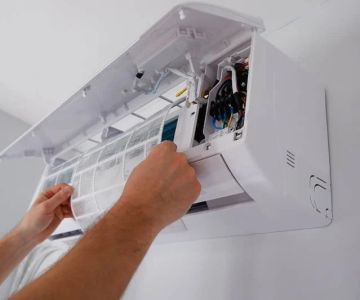
Locate your air conditioner's filter, which is typically found behind the grille or panel of the unit. Depending on the model, it may be easy to slide the filter out, or you may need to unscrew the panel to access it. Once you’ve located the filter, gently remove it from the system.
3.3 Clean the Filter
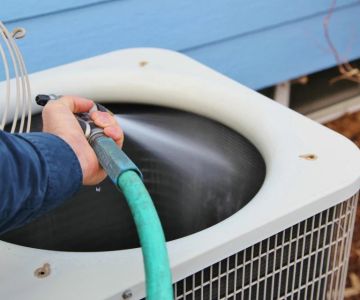
Use a vacuum cleaner with a soft brush attachment to remove loose dust and dirt from the filter. For a deeper clean, rinse the filter with lukewarm water and mild soap, being careful not to damage the filter. Let the filter dry completely before reattaching it to the unit.
3.4 Replace the Filter (If Necessary)
If the filter is heavily damaged or cannot be cleaned properly, it’s time to replace it with a new one. Make sure to choose the correct size and type of filter for your air conditioner model to ensure optimal performance.
4. Common Issues Caused by Dirty AC Filters
Dirty or clogged air conditioner filters can lead to several problems in your HVAC system. Here are some common issues that may arise if your filters aren’t cleaned regularly:
4.1 Reduced Airflow
When a filter becomes clogged with dust and debris, airflow is restricted, making it harder for the air conditioner to circulate cool air throughout your home. This can cause uneven cooling and force the AC unit to work harder, ultimately reducing its lifespan.
4.2 Higher Energy Bills
A dirty filter can force your AC to operate inefficiently, leading to increased energy consumption. The harder the system has to work to cool your home, the higher your utility bills will be. Cleaning the filter regularly helps maintain energy efficiency and saves you money in the long run.
4.3 Poor Indoor Air Quality
When a filter is clogged, it can no longer trap dust, pollen, and other allergens effectively. This can lead to poor indoor air quality, which may worsen respiratory conditions such as asthma and allergies.
5. When to Replace Your Air Conditioner’s Filters
While cleaning your AC filter is essential, there are times when replacement is necessary. Here are signs that it’s time to replace your filter:
5.1 The Filter Is Torn or Damaged
If the filter is physically damaged, such as torn edges or holes, it’s time to replace it. A damaged filter will not perform its job properly and could cause dust and debris to circulate throughout your home.
5.2 The Filter Is Too Dirty to Clean
Over time, filters can become too dirty to clean effectively, especially if they are clogged with pet hair or dust. If your filter looks too dirty or cannot be cleaned to an acceptable level, replacing it with a new one is the best solution.
5.3 You’ve Had the Same Filter for Too Long
Even with regular cleaning, filters have a lifespan. If it’s been several months (or even years) since your last replacement, it may be time to invest in a new one to ensure your air conditioner continues to operate efficiently.
6. Maintaining AC Filters for Long-Term Performance
Regular maintenance of your air conditioner's filters is essential for long-term performance and energy efficiency. In addition to regular cleaning, here are a few tips to ensure your filters last as long as possible:
6.1 Choose the Right Filter
Make sure to select a high-quality filter that is appropriate for your AC unit. Higher-rated filters (such as HEPA filters) may trap more dust and allergens, improving indoor air quality and system efficiency.
6.2 Keep the Area Around the Unit Clean
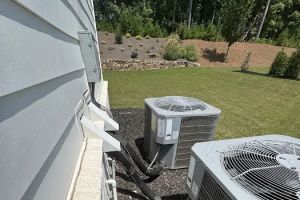
Dust and dirt from the surrounding area can find their way into your air conditioner’s filter. Keep the area around the AC unit clean to prevent additional dirt and debris from clogging the filter.
6.3 Schedule Professional Maintenance
While cleaning the filter is something homeowners can do on their own, it’s also a good idea to have your air conditioner professionally serviced at least once a year. A professional can inspect the entire system, clean the coils, and ensure the system is operating efficiently.
By following these tips and keeping your air conditioner's filters clean and well-maintained, you can ensure that your AC unit runs efficiently and provides clean, cool air when you need it most. For more tips on maintaining your AC or to find the best products for your system, visit Ac Fix for expert recommendations and solutions.
 Appliance Parts Of Radcliff Inc4.0 (34 reviews)
 OnTime Service4.0 (3507 reviews)
 Roscoe Brown Heating, Cooling, and Plumbing4.0 (192 reviews)
 Chill Co Mechanical LLC2.0 (3 reviews)
 True Comfort Heat and Air, LLC5.0 (285 reviews)
 PUR-AYR (Air Duct Cleaning & Restoration)4.0 (242 reviews)
 Affordable Ways to Replace Your Air Conditioning Quickly in Your Area
 Who Should You Trust When You Need to Air Conditioning Replace? Tips and Advice
 Top Ways to Find Who Can Fix My Air Conditioner Quickly and Affordably in Your Area
 Troubleshooting AC Fan Problems: What to Do When Your Fan Won’t Start
 How to Fix Your AC Like a Pro: Expert Tips for Affordable Repairs
 How Long Should It Take to Fix Air Conditioning? | AC Fix