
- Common AC Issues You Can Fix Yourself
- Essential Tools for DIY AC Repairs
- Step-by-Step Guide for Fixing Your AC
- When to Call a Professional for AC Repairs
- Maintaining Your AC to Prevent Future Breakdowns
Common AC Issues You Can Fix Yourself
Before you call in an expensive HVAC technician, it’s worth knowing that many common air conditioner issues can be solved with a bit of DIY effort. Here are a few issues you can troubleshoot on your own:
- Clogged air filter: A clogged filter reduces airflow, causing your AC to work harder and eventually overheat. Replacing or cleaning the air filter regularly can extend the life of your AC unit.
- Refrigerant leak: If your AC isn’t cooling properly, it could be low on refrigerant. While adding refrigerant requires professional help, you can spot leaks by looking for oily residue around the pipes or unit.
- Frozen coils: Dirty filters or low refrigerant can cause the evaporator coils to freeze. This reduces the unit's efficiency and causes it to blow warm air. Defrosting the coils can get your system back up and running quickly.
- Thermostat problems: Sometimes your AC isn’t the problem; it could be the thermostat. If it’s not reading the temperature correctly, it could cause your system to run inefficiently. Checking the batteries or recalibrating the thermostat could save you a service call.
Essential Tools for DIY AC Repairs
Before diving into any DIY air conditioning repair, it's important to have the right tools. Here’s what you’ll need to handle most basic fixes:
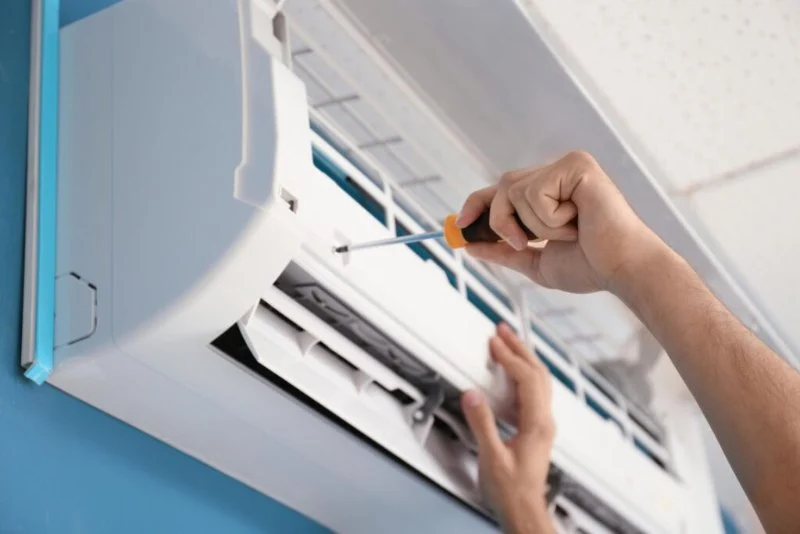
- Screwdriver set: A variety of screwdrivers will help you open panels, remove screws, and access the parts you need to fix.
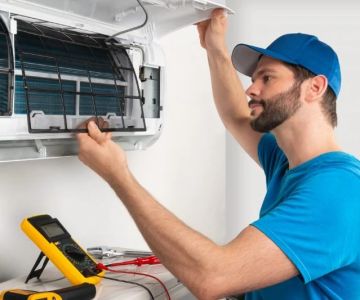
- Multimeter: Used to check electrical connections, a multimeter can help identify if the issue is electrical or mechanical.
- Coil cleaner: Keeping the coils clean is essential to maintaining airflow and efficiency. A coil cleaner can help remove dirt and grime without damaging the unit.
- Fin comb: If the fins on your AC are bent, use a fin comb to straighten them. This helps maintain airflow and cooling efficiency.
- Vacuum cleaner: For cleaning out dust and debris from the internal components of your AC, a vacuum cleaner with a hose attachment can be helpful.
Step-by-Step Guide for Fixing Your AC
Now that you’ve identified the issue and have the necessary tools, it’s time to dive into fixing your air conditioner. Here’s a simple guide to help you troubleshoot and repair some common issues:
- Step 1: Turn off the power – Always disconnect the power supply to your AC unit before attempting any repairs to avoid electrical hazards.
- Step 2: Clean or replace the air filter – A dirty filter is one of the most common causes of reduced efficiency. Clean or replace it as needed to ensure optimal airflow.
- Step 3: Inspect the evaporator coils – Check for any visible ice buildup on the coils. If they are frozen, turn off the AC and let it defrost completely. Clean the coils with a coil cleaner to remove dirt.
- Step 4: Check the refrigerant levels – Low refrigerant can cause your AC to blow warm air. If you suspect a leak, call a professional technician to handle the refrigerant refill.
- Step 5: Test the thermostat – Ensure the thermostat is set to the correct temperature. If the display is faulty, replace the batteries or recalibrate it.
When to Call a Professional for AC Repairs
While DIY fixes can solve many AC problems, some issues require professional expertise. Here are a few situations where it’s best to call a pro:
- Refrigerant issues: Handling refrigerant requires proper certification and knowledge, so it’s always best to hire a licensed professional for leaks or refills.
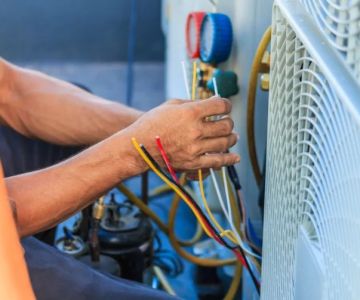
- Electrical problems: If you find electrical issues such as faulty wiring or malfunctioning components, it’s safer to let a professional handle it.
- System replacement: If your system is outdated and needs a full replacement, a technician can help guide you through the process and ensure everything is installed correctly.
Maintaining Your AC to Prevent Future Breakdowns
Preventing issues is just as important as fixing them. Regular maintenance can help prolong the life of your air conditioning unit and reduce the frequency of repairs. Here are a few maintenance tips:
- Change filters regularly: Clean or replace your AC filters every 1-3 months, depending on usage.
- Schedule annual check-ups: Have a professional perform a maintenance check annually to identify potential issues before they become major problems.
- Keep the area around the unit clear: Ensure that bushes, trees, and debris are not blocking the vents or air intake of your AC unit.
- Keep the coils clean: Dirty coils can drastically reduce your unit’s efficiency. Clean them regularly to prevent breakdowns.
Fixing your AC doesn’t have to be stressful or expensive. By following these expert tips and understanding when to call in the pros, you can keep your air conditioning unit running smoothly year-round. For more DIY tips and affordable repair solutions, visit Ac Fix for expert advice and resources.

 SFN H-VAC5.0 (2 reviews)
 Air Conditioning Specialists1.0 (17 reviews)
 Woods Plumbing and Electric5.0 (146 reviews)
 AirPro Hvac Services, LLC5.0 (43 reviews)
 Redline Heating & Air LLC5.0 (13 reviews)
 Waldrop Plumbing Heating Air4.0 (91 reviews)
 Pros and Cons of Trying to Replace Your Air Conditioning on Your Own
 Where to Fix Air Conditioner Near Me in Emergency Situations – Quick & Reliable Help
 How to Find the Right AC Repair Professional for Homeowners in 2025
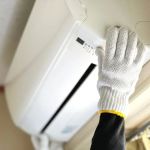 Top Ways to Find Who Can Fix My Air Conditioner Quickly and Affordably in Your Area
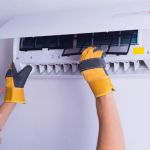 Top Ways to Replace Your Air Conditioning Quickly and Affordably in Your Area
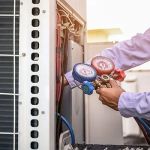 Fastest Way to Fix AC Unit Without Getting Overcharged in the US