
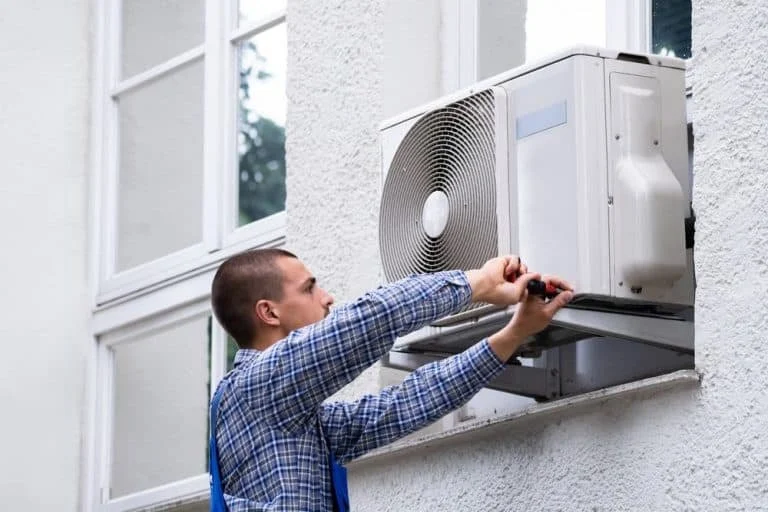
- 1 - Understanding the Problem: Why Your AC Isn't Cooling
- 2 - Common Causes of an Air Conditioner Not Cooling Your Home
- 3 - How to Troubleshoot Your Air Conditioner
- 4 - When to Call a Professional for Air Conditioner Issues
- 5 - Preventative Maintenance to Avoid Future AC Problems
- 6 - Why Choose Ac Fix for Your Air Conditioning Needs
1. Understanding the Problem: Why Your AC Isn't Cooling
When your air conditioner isn’t cooling your home properly, it can be both frustrating and uncomfortable. Understanding the potential causes of this problem is the first step in troubleshooting and fixing the issue. The problem may be related to a simple issue that you can fix yourself, or it could be a more complex issue that requires professional help.
Before jumping to conclusions, it’s important to rule out basic issues like thermostat settings, airflow problems, or dirty filters. Often, the reason your air conditioner isn’t cooling is something simple that can be resolved quickly. However, in some cases, a deeper issue may exist, such as a refrigerant leak or a faulty compressor, which would require the expertise of an HVAC professional.
2. Common Causes of an Air Conditioner Not Cooling Your Home
Several factors could be preventing your air conditioner from cooling your home effectively. Below are some of the most common causes:

Dunn’s Refrigeration & Air Conditioning llc
FairmontMarion CountyWest Virginia
7 Lois Ln, Fairmont, WV 26554, USA
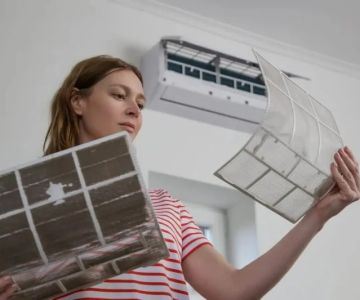
1. Dirty or Clogged Air Filter
One of the simplest and most common issues is a dirty or clogged air filter. Air filters trap dust and debris to ensure clean air circulates throughout your home. When the filter is dirty, air cannot flow freely, leading to reduced cooling efficiency. Replacing the air filter regularly can help prevent this issue and improve your AC’s performance.
2. Low Refrigerant Levels
Refrigerant is the substance that helps cool the air in your air conditioner. If your AC is low on refrigerant, it may struggle to cool your home. Low refrigerant levels can occur due to leaks in the system, and it’s important to have a professional technician check and refill the refrigerant if necessary.
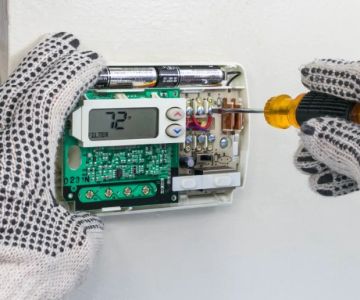
3. Thermostat Problems
If your thermostat isn’t calibrated correctly, it may not be signaling your air conditioner to cool your home properly. Sometimes the issue could be as simple as a dead battery in the thermostat, while other times the thermostat may need to be recalibrated or replaced. Always check the thermostat settings to make sure they’re set correctly for cooling mode.
4. Faulty Compressor
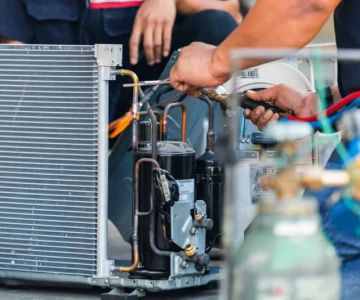
The compressor is a key component of your AC system, responsible for circulating refrigerant. If the compressor is malfunctioning or completely broken, your air conditioner won’t be able to cool your home properly. Unfortunately, a faulty compressor is a more serious issue that typically requires professional repair or replacement.
5. Blocked Vents or Ductwork
Sometimes the issue lies with blocked or closed vents, or issues in the ductwork that restrict airflow. Ensure that all vents are open and unblocked, and have a professional inspect the ducts for leaks or damage that could be reducing airflow throughout your home.
3. How to Troubleshoot Your Air Conditioner
If your air conditioner is not cooling effectively, follow these steps to troubleshoot the issue:
1. Check the Thermostat
Start by checking the thermostat settings to ensure they are correctly set to “cool” mode. Also, check the temperature settings to make sure it’s set to a temperature lower than the current room temperature. If the thermostat is programmable, make sure the schedule is set correctly.
2. Inspect and Replace the Air Filter
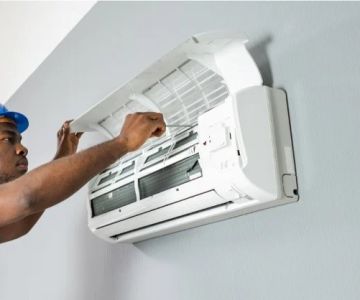
Turn off your AC and check the air filter. If the filter is dirty, replace it with a clean one. A clean filter ensures optimal airflow and can improve your AC’s cooling efficiency.
3. Check the Air Vents
Ensure that all vents are open and unobstructed. Sometimes furniture, rugs, or curtains can block airflow, reducing the effectiveness of your air conditioning system. Clear any blockages and ensure air can circulate freely.
4. Inspect for Leaks in the Ductwork
If you can access your ductwork, check for visible signs of leaks or holes. Leaks in the ducts can cause cooled air to escape before it reaches your rooms, reducing the overall efficiency of your AC system. Seal any visible leaks with duct tape or call a professional to inspect and repair your ductwork.
5. Call a Professional if Necessary
If these simple troubleshooting steps don’t resolve the issue, it may be time to call in a professional HVAC technician. A professional can identify more complex issues, such as refrigerant leaks or compressor problems, and provide the necessary repairs.
4. When to Call a Professional for Air Conditioner Issues
While some air conditioning problems can be fixed easily on your own, others require professional expertise. It’s time to call an HVAC technician if:
- Your AC is still not cooling after troubleshooting basic issues.
- You notice refrigerant leaks or suspect your refrigerant levels are low.
- Your AC is making unusual noises or vibrating excessively.
- The compressor or motor isn’t running properly.
Professional technicians can ensure that the problem is correctly diagnosed and repaired, saving you time and preventing further damage to your AC system.
5. Preventative Maintenance to Avoid Future AC Problems
To avoid future cooling problems and extend the lifespan of your air conditioning system, regular maintenance is key. Here are a few preventative steps to take:
1. Schedule Annual Inspections
Have your AC system professionally inspected at least once a year. A technician can check for potential issues and clean components, ensuring the system operates efficiently.
2. Clean and Replace Filters Regularly
Replace or clean the air filters every one to three months, depending on usage. A clean filter promotes better airflow and prevents dust and debris from entering the system.
3. Keep the Outdoor Unit Clean
Ensure that the outdoor unit is free from debris, leaves, and dirt. A dirty condenser coil can restrict airflow and reduce your AC’s efficiency.
6. Why Choose Ac Fix for Your Air Conditioning Needs
If your air conditioner is giving you trouble, Ac Fix is here to help. Our expert technicians can diagnose and repair a wide range of AC issues, from simple fixes like air filter replacements to more complex problems such as refrigerant leaks or compressor issues. We provide fast, reliable service to ensure your home stays cool and comfortable. Visit Ac Fix today for professional AC services and solutions.
 Quality Heating & Air LLC4.0 (146 reviews)
 SA Specialties4.0 (675 reviews)
 Forgotten Coast RV Repair4.0 (39 reviews)
 Winning Refrigeration5.0 (56 reviews)
 Columbia Heating & Air Conditioning4.0 (16 reviews)
 Pioneer Home Services4.0 (1036 reviews)
 How to Replace an AC Unit: The Ultimate Checklist for Success
 What to Do When You Need a Cheap AC Fix Immediately
 Where to Find Experts Who Can Fix My Air Conditioner in Emergency Situations | Ac Fix
 How to Get My AC Fixed Like a Pro
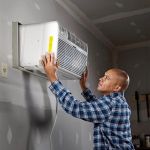 Affordable Companies That Fix Wall Air Conditioners Near You
 How to Fix Your AC on a Budget Without Spending a Fortune