

- Why Regular Air Conditioner Filter Changes Are Important
- When Should You Change Your Air Conditioner Filter?
- How to Change Your Air Conditioner Filter
- Benefits of Regular AC Filter Changes
- Real-Life Example: The Impact of Dirty Filters
Why Regular Air Conditioner Filter Changes Are Important
Many homeowners overlook the importance of regular air conditioner (AC) filter changes, but keeping your air filters clean is one of the most essential aspects of maintaining an efficient HVAC system. Air filters play a critical role in trapping dust, dirt, allergens, and other particles, preventing them from circulating through the air you breathe. When filters become clogged, the air quality decreases, and your system’s efficiency is compromised.
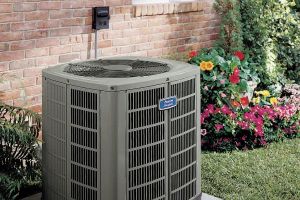
1. Protecting Your HVAC System
Over time, dust and debris build up in the air filter, making it harder for the AC to pull in air. This restricts airflow, forcing the system to work harder to cool your home, which can lead to higher energy bills and wear on the equipment. By regularly changing the filters, you prevent strain on the system and ensure it operates at its optimal capacity.

2. Improving Air Quality
As air filters trap particles like dust, pollen, and pet dander, they help improve indoor air quality. If filters aren’t replaced regularly, these particles can re-enter the air, causing health problems for individuals with allergies, asthma, or respiratory conditions. Clean filters help maintain a healthier living environment by keeping these contaminants at bay.
3. Extending the Lifespan of Your AC
Regular maintenance, including changing air filters, can extend the lifespan of your air conditioning system. When filters are clogged, your system has to work harder, increasing wear and tear. Replacing the filters on time helps prevent damage to your AC, potentially saving you thousands in repair or replacement costs.
When Should You Change Your Air Conditioner Filter?
The frequency of air filter changes depends on several factors, including the type of filter, the environment, and how often the AC is used. While there’s no one-size-fits-all answer, here are some general guidelines:
1. Every 1-3 Months for Standard Filters
For most homes, it’s recommended to change the air filter every 1-3 months. If you have a standard fiberglass filter, you may need to replace it more frequently, especially during peak summer months when the AC is used more often.
2. Every 6-12 Months for High-Efficiency Filters
High-efficiency filters, such as HEPA filters, can last longer—typically 6-12 months—before needing replacement. However, it’s important to check the manufacturer’s recommendations for specific guidance.
3. More Frequent Changes for Homes with Pets or Allergies
If you have pets or allergies, you may need to change the filter more often. Pet hair and dander can clog filters quickly, and individuals with allergies may benefit from cleaner air. In such cases, replacing the filter every 30-60 days is a good practice.
How to Change Your Air Conditioner Filter
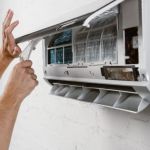
Changing the air conditioner filter is a simple task that you can do yourself. Here’s a step-by-step guide to help you change the filter efficiently:
1. Turn Off the AC System
Before starting, always turn off your AC unit. This prevents the system from running while you’re working on it and ensures safety during the process.
2. Locate the Filter Compartment
The filter is typically located near the return air duct or blower unit. Check your AC’s user manual for the exact location. In some cases, the filter compartment may be behind a removable grill or panel.
3. Remove the Old Filter
Once you’ve located the filter, carefully slide it out of the compartment. Be sure to note the orientation of the filter so you can install the new one in the same direction.
4. Install the New Filter
Insert the new filter into the compartment, making sure it fits snugly and is properly aligned. The arrows on the filter should point toward the blower or air handler. If your filter has a specific size, double-check the measurements before purchasing a replacement to ensure a proper fit.
5. Turn the AC Back On
After replacing the filter, close the compartment, turn the AC system back on, and check to ensure proper airflow. If everything is working smoothly, you’ve successfully replaced your filter!
Benefits of Regular AC Filter Changes
Maintaining clean filters can have several advantages, including:
1. Improved Energy Efficiency
When your air filter is clean, the system doesn’t have to work as hard to push air through, resulting in lower energy consumption. This can translate into noticeable savings on your energy bills.
2. Enhanced Comfort
Clogged filters can make it harder for your air conditioner to cool your home effectively. Regular filter changes help ensure consistent cooling throughout your home, maintaining a comfortable temperature.
3. Reduced Maintenance Costs
By changing your air filter regularly, you help prevent costly damage to your AC system. Clean filters reduce strain on the unit, minimizing the likelihood of breakdowns and extending the life of your HVAC system.
Real-Life Example: The Impact of Dirty Filters
Take the case of John, a homeowner who neglected to change his AC filter for several months. Over time, the unit began to make strange noises, and the air conditioning wasn’t cooling as efficiently. After contacting an HVAC technician, John learned that his dirty filter had caused his AC to overheat, leading to a costly repair. By changing his filter regularly afterward, John was able to avoid further issues and enjoy better airflow, reduced energy bills, and a more comfortable home environment.

 Custom Air Systems4.0 (34 reviews)
 Trane Supply3.0 (3 reviews)
 High Country Air5.0 (8 reviews)
 E&J Solutions, LLC4.0 (20 reviews)
 Chappell's Heating & Air Conditioning LLC4.0 (16 reviews)
 GMS Air Conditioning, LLC4.0 (97 reviews)
 How Long Should It Take to Fix a Cheap AC? Time and Cost Considerations
 Best Practices for a Successful and Affordable AC Fix
 Best Services That Cheap AC Fix Near You Today
 10 Signs It's Time to Ask: Who Can Fix My AC?
 Common Mistakes to Avoid When Trying to Find an AC Repair Service
 The Ultimate Checklist for Fixing Air Conditioning Successfully