

- Common AC Issues and Troubleshooting
- Tools You Need for AC Repair
- Steps to Troubleshoot Your AC
- When to Call Professionals for AC Repair
- AC Maintenance Tips for Long-Term Performance
1. Common AC Issues and Troubleshooting
Air conditioners are vital for maintaining comfort in hot weather, but when they break down, it can quickly become frustrating. Before calling in a professional, it’s helpful to know the most common AC problems and how to troubleshoot them. Here are some frequent issues you may encounter:
1. AC Not Turning On: If your air conditioner isn’t turning on, the first thing to check is the power supply. Make sure it’s plugged in and the circuit breaker hasn’t tripped. If everything looks good but the AC still doesn’t turn on, check the thermostat settings and batteries (if applicable). If none of these work, it could indicate a more serious issue with the compressor or the wiring, which may require professional help.
2. Insufficient Cooling: If your AC is running but not cooling as effectively as it should, check the air filters. Dirty filters can block airflow and reduce cooling efficiency. Another common cause is low refrigerant levels, which can indicate a leak that needs to be addressed by a technician. Lastly, check if the vents are open and unobstructed.
3. Strange Noises: If your air conditioner is making unusual noises like grinding, rattling, or squealing, it could be a sign of a loose or broken part, such as a fan blade or motor. These sounds could also indicate an issue with the compressor. If the noise persists, it’s essential to get the unit checked by a professional to avoid further damage.
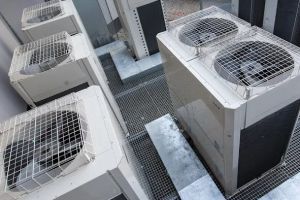
Louisiana Controls Inc
Baton RougeEast Baton Rouge ParishLouisiana
2332 Chatawa Dr, Baton Rouge, LA 70815, USA
2. Tools You Need for AC Repair
Before attempting any DIY repairs or troubleshooting, it's important to have the right tools on hand. Having the right equipment can make the process smoother and safer. Here’s a list of tools you may need:
1. Screwdrivers: A set of flathead and Phillips screwdrivers will be essential for removing covers and accessing components inside the AC unit.
2. Multimeter: A multimeter is used for checking electrical components like fuses, thermostats, and circuit boards. It can help identify issues with power flow or connections.
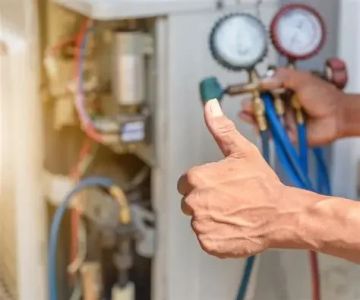
3. Refrigerant Gauge: If you suspect low refrigerant levels, a refrigerant gauge will help you check the pressure. Low refrigerant is often the cause of insufficient cooling.
4. Coil Cleaner: Cleaning the coils is crucial for maintaining AC efficiency. Coil cleaner can help remove dust and dirt from the evaporator and condenser coils.
5. Wet/Dry Vacuum: If you need to clean the AC drain line, a wet/dry vacuum can be very useful for removing debris and ensuring proper drainage.
3. Steps to Troubleshoot Your AC
Once you have the necessary tools, follow this step-by-step guide to troubleshoot your air conditioning system:
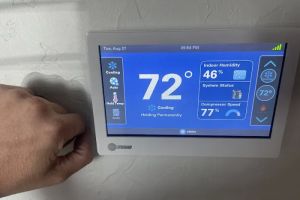
1. Check the Thermostat Settings: Ensure the thermostat is set to “cool” and that the temperature is set lower than the current room temperature. If your thermostat has a battery, replace it to avoid issues.
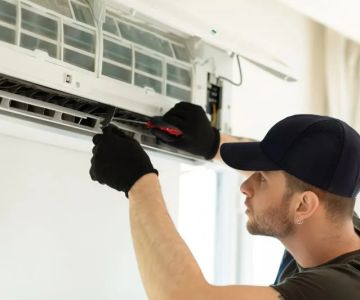
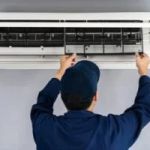
2. Inspect the Air Filters: A clogged air filter can cause a host of issues, from reduced cooling to increased energy consumption. Check the filter, and if it’s dirty, replace it with a new one. Clean filters help maintain optimal airflow.
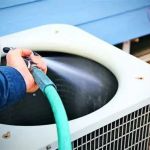
3. Examine the Coils: Dust and dirt can accumulate on the evaporator and condenser coils over time, reducing the efficiency of your AC. Turn off the power, remove the outer panel, and use a soft brush or coil cleaner to gently clean the coils.
4. Clear the Condensate Drain: If the condensate drain is clogged, it can cause water to back up, potentially damaging the system. Use a wet/dry vacuum to clear the drain line and keep it free from obstructions.
5. Check the Refrigerant Levels: If you notice poor cooling, it might be a sign of low refrigerant. You can check the pressure using a refrigerant gauge. If levels are low, you’ll need a professional to recharge the system and check for leaks.
4. When to Call Professionals for AC Repair
While some troubleshooting tasks can be handled by homeowners, certain issues are better left to professionals. Here are some signs that it’s time to call in an expert:
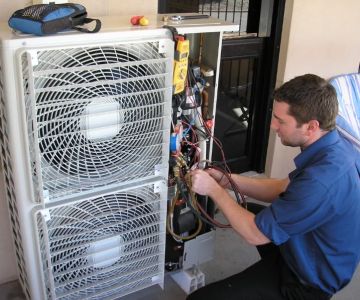
1. Electrical Problems: If you suspect a problem with the wiring, circuit board, or electrical components, it’s best to call a licensed HVAC technician. Electrical issues can be dangerous to handle on your own and require specialized knowledge.
2. Refrigerant Leaks: If your system is low on refrigerant and a leak is detected, you’ll need a professional to properly seal the leak, recharge the refrigerant, and ensure your system is functioning correctly.
3. Compressor Issues: The compressor is one of the most critical parts of the AC system. If the compressor is malfunctioning, it typically requires professional repair or replacement, as it involves complex parts that are difficult for homeowners to fix on their own.
4. Age of the System: If your air conditioner is more than 10 years old and experiencing multiple issues, it might be more cost-effective to replace it. A professional technician can evaluate whether repair or replacement is the best option.
5. AC Maintenance Tips for Long-Term Performance
Once you’ve repaired your air conditioner, maintaining it is essential for long-term efficiency and reliability. Here are some simple maintenance tips to keep your AC running smoothly:
1. Schedule Annual Tune-Ups: Have your AC serviced at least once a year by a professional technician. Regular maintenance can prevent many issues and improve the system’s longevity.
2. Clean or Replace Filters Regularly: Air filters should be cleaned or replaced every 1-3 months, depending on usage. Clean filters promote better airflow and increase efficiency.
3. Keep the Area Around the AC Unit Clean: Ensure there are no obstructions near the outdoor condenser unit. Keep the area clear of leaves, dirt, and debris to maintain proper airflow and prevent overheating.
4. Check the Insulation: Proper insulation helps the system maintain cool air. Check the insulation around your ducts and ensure they’re sealed tightly to prevent air leaks.
By following this checklist, you can troubleshoot and repair common air conditioning problems successfully. Whether you’re tackling small issues yourself or calling in a professional, keeping your AC in good condition is key to ensuring comfort year-round. For expert guidance, products, and services related to air conditioning repairs, visit Ac Fix for everything you need to maintain your system.

 FIX MY AIR DFW, LLC5.0 (60 reviews)
 LARCO Air Conditioning5.0 (33 reviews)
 Performance HVAC Services LLC5.0 (1 reviews)
 Comfort & Process Solutions4.0 (9 reviews)
 Summa & Tony's Air Conditioning and Heating4.0 (134 reviews)
 Pat Green Heating and Cooling4.0 (304 reviews)
 Who Should You Trust When You Need to Air Conditioning Replace? Tips and Advice
 What to Do When You Need to Fix Your Air Conditioner Immediately
 Complete Guide: Fix Central Air Conditioning Unit for Homeowners in 2025
 Who Should You Trust When You Need to Fix Your Air Conditioning? | Ac Fix
 Top Ways to Fix Your Air Conditioning Quickly and Affordably in Your Area | AC Fix
 How Long Does It Take to Fix My AC? Time Estimates and Factors Explained