
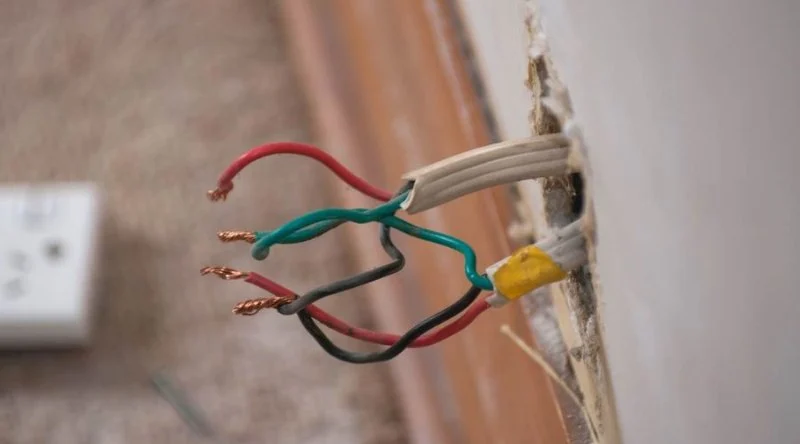
- Understanding AC Electrical Issues
- Common Causes of Faulty Electrical Wiring in ACs
- How to Diagnose AC Electrical Problems
- How to Fix Faulty Electrical Wiring in Your AC
- When to Call a Professional
Understanding AC Electrical Issues
When your air conditioner stops working properly, electrical issues are often to blame. Faulty electrical wiring in your AC can lead to problems like power failure, erratic behavior, or complete system shutdown. It's crucial to understand these issues and know how to address them to avoid costly repairs or replacements.
Electrical problems in air conditioners can be tricky for the average homeowner to identify. In many cases, the issue may not be immediately obvious, and a malfunctioning AC might show symptoms like a lack of cooling, frequent tripping of circuit breakers, or unusual noises. Understanding the electrical components involved in your AC system and knowing how to troubleshoot can save you time and money in the long run.
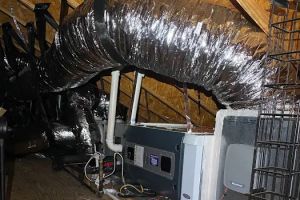
Common Causes of Faulty Electrical Wiring in ACs
There are several factors that can lead to faulty electrical wiring in your AC. Here are the most common causes:
Atlanta Heating and Air Conditioning
2359 Dunwoody Crossing suite c, Atlanta, GA 30338, USA
1. Overloaded Circuit
An overloaded circuit occurs when too many appliances or devices are drawing power from the same circuit, which can lead to overheating and tripping the breaker. This can affect your AC, especially if the circuit is shared with other high-power appliances. If your AC isn’t getting enough power, it may malfunction.
2. Damaged Wiring
Over time, electrical wiring can become worn out, frayed, or damaged due to heat, age, or physical wear. If the wires that connect to your AC are damaged, the electrical current may not flow properly, causing the system to fail or behave erratically. Damaged wiring can also pose a serious fire hazard if not addressed promptly.
3. Loose Connections
Loose electrical connections are a common cause of AC electrical issues. If the wires or terminals are not securely connected, your air conditioner may not receive enough power, leading to poor performance or system failure. Loose connections can also cause overheating, which can damage other components of your AC.
4. Faulty Circuit Breaker
If your AC keeps tripping the circuit breaker, there may be an issue with the breaker itself. A faulty circuit breaker might not trip when it should or it may trip too easily, disrupting the power flow to your air conditioner. This could indicate a deeper electrical problem or an issue with the wiring or the breaker itself.
How to Diagnose AC Electrical Problems
Diagnosing electrical issues in your AC requires a systematic approach. Here are the steps you can take to troubleshoot the problem:
1. Check the Power Source
Start by making sure your air conditioner is plugged in and receiving power. Check the circuit breaker to see if it has been tripped. If the breaker is off, reset it and see if the AC turns back on. If the breaker trips again, it’s a sign that there’s a deeper electrical issue.
2. Inspect the Wiring
If you're comfortable working with electrical systems, inspect the wiring connected to your AC unit. Look for visible signs of wear, fraying, or damage. If the wiring appears damaged, it’s important to replace it immediately. Always turn off the power supply to the unit before performing any inspection or repairs.
3. Examine the AC Unit’s Components
Check for loose connections on the terminals and ensure that all wires are securely connected. If you find any loose connections, tighten them carefully. Make sure that the capacitor, motor, and other electrical components are functioning correctly. If any component appears faulty, it may need to be repaired or replaced.
4. Test the Circuit Breaker
If the circuit breaker continues to trip, it might be faulty. You can test the breaker with a multimeter to check for proper voltage. If the circuit breaker is malfunctioning, it will need to be replaced to prevent further electrical issues.
How to Fix Faulty Electrical Wiring in Your AC
Fixing electrical wiring issues in your AC requires both caution and the right tools. Here’s how to tackle some of the common issues:
1. Repairing or Replacing Damaged Wiring
If you discover damaged or frayed wiring, it’s essential to replace it. Start by turning off the power to your AC, and then carefully cut and remove the damaged section of the wire. Install new wire of the appropriate gauge and connect it securely to the terminals. Ensure the connections are tight and insulated to prevent short circuits.
2. Replacing the Circuit Breaker
If the circuit breaker is faulty, it will need to be replaced. Turn off the main power supply before replacing the breaker. Install a new breaker with the same amperage rating as the old one and make sure it is properly connected to the wiring. After installation, test the system to ensure the AC receives power correctly.
3. Tightening Loose Connections
If you find any loose connections, use a screwdriver to tighten the screws holding the wires in place. Be sure to check all electrical terminals and ensure they are securely connected to avoid power disruptions or potential overheating.
When to Call a Professional
While some AC electrical issues can be addressed by DIY fixes, certain problems require the expertise of a professional. Here’s when you should call an electrician or HVAC technician:
1. Complex Wiring Issues
If the electrical issue involves complicated wiring or you’re unsure of the cause, it’s best to call a professional. Handling electrical systems improperly can lead to further damage or even fire hazards. A licensed electrician can safely diagnose and repair the problem.
2. Replacing Major Components
Replacing major components such as the capacitor, motor, or circuit board should be left to a professional. These components require specialized knowledge and tools to ensure they are installed correctly and safely.
3. Persistent Power Problems
If your AC continues to have power issues even after troubleshooting and replacing parts, it’s time to call a professional. A certified HVAC technician can assess the system as a whole and identify deeper problems that may be affecting its performance.
Need expert help with your AC’s electrical problems? Visit Ac Fix for professional services, quality parts, and expert advice to keep your air conditioning system running smoothly.
 Quinn Supply4.0 (143 reviews)
 Joe East One Hour Heating & Air Conditioning4.0 (502 reviews)
 Dass Air Conditioning5.0 (10 reviews)
 Safe Air LLC4.0 (417 reviews)
 Indoor Comfort Experts A/C3.0 (149 reviews)
 B&B Air and Heat4.0 (86 reviews)
 Can You Fix Air Conditioning Leak Without Replacing the Entire System? Tips and Solutions
 10 Signs It’s Time to Find Who Can Fix My AC Fast
 Fastest Way to Replace Air Conditioning Without Getting Overcharged
 Top Ways to Fix Your AC Quickly and Affordably in Your Area
 10 Signs It's Time to Call Someone for AC Repairs: A Guide
 How to Fix an AC Condenser Like a Pro: Expert Tips & Guide