
- 1. Understanding Air Conditioning Leaks
- 2. Signs Your Air Conditioner Has a Leak
- 3. Can You Fix an AC Leak Without Replacing the Entire System?
- 4. How to Fix Small Air Conditioning Leaks
- 5. When to Call a Professional for AC Leak Repair
- 6. Preventing Air Conditioning Leaks in the Future
1. Understanding Air Conditioning Leaks
Air conditioning leaks are common issues that homeowners face, but they don’t always require the replacement of the entire system. An AC leak typically refers to a loss of refrigerant or the presence of water outside the unit that can stem from several causes. These leaks may affect the efficiency of the system, causing it to perform poorly or even stop working entirely.
The refrigerant in an AC unit is responsible for absorbing heat from the air inside your home and releasing it outside, which helps maintain a comfortable temperature. When there is a leak in the refrigerant line, the air conditioner cannot properly cool the air, leading to higher energy consumption and reduced cooling performance.
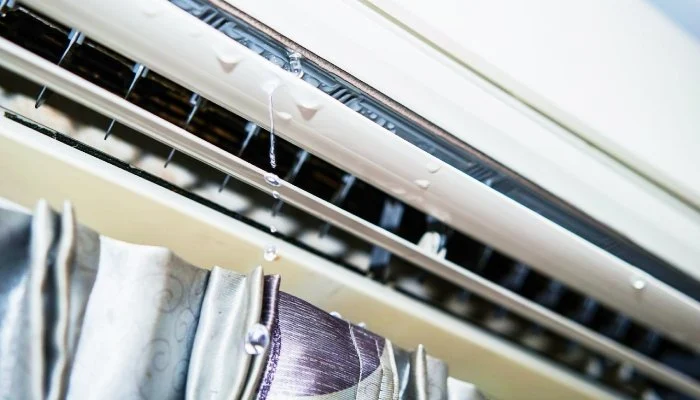
Water leaks, on the other hand, often occur due to clogged drain lines or problems with the condensate pump. While water leaks don’t always lead to a total breakdown, they can cause water damage to your home if left unaddressed.
2. Signs Your Air Conditioner Has a Leak
If you suspect that your air conditioning system is leaking, there are several signs to watch out for. Here are the most common indicators that your AC may be leaking refrigerant or water:
- Reduced Cooling Performance: If your AC is running but not cooling the air effectively, it could be due to a refrigerant leak. Low refrigerant levels make it difficult for the system to cool properly.
- Ice Build-Up on the Evaporator Coil: One of the telltale signs of a refrigerant leak is ice forming on the evaporator coil. This happens because the low refrigerant levels cause the coils to freeze.
- Hissing or Bubbling Sounds: You may hear a hissing or bubbling sound near the AC unit, which could indicate refrigerant escaping from a leak in the system.
- Water Pooling Around the Unit: If there is water pooling near your AC unit, it could be a sign of a clogged drain line or a malfunctioning condensate pump, which leads to water leaks.
- Higher Energy Bills: A leaking AC system may work harder to cool your home, leading to an increase in energy consumption and higher utility bills.
Recognizing these signs early can help you address the issue before it leads to a complete system failure or further damage to your home.
Century Heating & Air Conditioning,LLC
662 Sardis Church Rd, Lake Park, GA 31636, USA
3. Can You Fix an AC Leak Without Replacing the Entire System?
In many cases, you can fix an air conditioning leak without having to replace the entire system. Whether it's a refrigerant leak or a water leak, there are several methods to repair or seal the leak and restore your AC's functionality.
If you have a refrigerant leak, the system can often be recharged with the proper amount of refrigerant. However, this process typically requires a professional technician to locate the leak, fix it, and recharge the system. It’s important to note that simply adding more refrigerant won’t solve the problem if the leak isn’t repaired first. Continued leaks can lead to further damage to the compressor, which is one of the most expensive parts to replace in an air conditioning unit.
For water leaks, cleaning the condensate drain line or replacing a faulty condensate pump may be sufficient to stop the leak. In some cases, a simple cleaning of the drain line can prevent future water damage.
In both scenarios, replacing individual components of the system may be necessary to fix the leak, but this doesn’t always require a complete system replacement. The key is to accurately diagnose the issue and apply the right solution.
4. How to Fix Small Air Conditioning Leaks
If you suspect a small leak in your AC, there are several DIY steps you can take to address it, particularly if it involves water or minor refrigerant issues. However, always be cautious, as some repairs require professional expertise. Here’s how you can address small AC leaks:
- Fixing Water Leaks: First, check for a clogged condensate drain line, which can cause water to leak around the AC unit. You can clean the drain line using a wet-dry vacuum or a special drain cleaning tool. If the condensate pump is malfunctioning, you may need to replace it.
- Fixing Refrigerant Leaks: Identifying and fixing refrigerant leaks usually requires a professional technician. However, if you notice that your refrigerant levels are low, you can have the system recharged once the leak is sealed. A technician will use a leak detector to find the exact location of the leak and seal it properly.
While these fixes are often effective for minor leaks, it’s essential to monitor the system’s performance after the repair to ensure the issue doesn’t recur.
5. When to Call a Professional for AC Leak Repair
In some cases, it’s best to leave AC leak repairs to a professional, especially when dealing with refrigerant leaks or complex system issues. Here are a few situations where calling a professional is necessary:
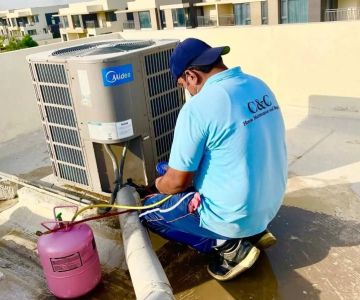
- Refrigerant Leaks: Since handling refrigerant requires special training and tools, it’s important to call a licensed HVAC technician for refrigerant leak repairs. They will have the proper equipment to find and seal the leak and recharge the system with the correct refrigerant.
- System Performance Issues: If your AC isn’t cooling properly despite addressing the leak, it could be due to more significant problems, such as a failing compressor or other internal components. A professional can thoroughly diagnose the system.
- Water Damage: If water leaks have caused significant damage to your home, it’s crucial to get a professional to inspect the system and prevent further water damage from occurring.
While DIY fixes can work for minor issues, professional repairs ensure that your air conditioning system operates efficiently and prevents further complications.
6. Preventing Air Conditioning Leaks in the Future
Preventing air conditioning leaks is essential to extending the life of your system and reducing the need for frequent repairs. Here are a few tips to help you keep your AC running smoothly and avoid future leaks:
- Regular Maintenance: Schedule annual maintenance with a professional HVAC technician. Regular checkups can help detect leaks early, clean the condensate drain, and check refrigerant levels.
- Replace Air Filters Regularly: Dirty air filters can cause strain on your AC system, leading to inefficiency and potential leaks. Change your filters every 1–3 months to maintain optimal airflow.
- Keep the Area Around the Unit Clean: Ensure that the area around your air conditioning unit is clear of debris and dirt. A clean environment helps maintain the system’s performance and reduces the likelihood of clogs or damage.
- Monitor System Performance: Keep an eye on your system’s cooling performance. If you notice any signs of a potential leak, address them immediately to prevent further issues.
By taking proactive steps to maintain your AC, you can minimize the risk of leaks and costly repairs down the road.
If you’re facing an AC leak or need professional assistance, visit Ac Fix for expert services and solutions tailored to your needs.

 Iron City Heating and Air, Inc4.0 (38 reviews)
 Charlie's Heating & Air5.0 (2 reviews)
 Home Services at The Home Depot4.0 (9 reviews)
 Langley Heating and Air, Inc. Wake Forest, NC.5.0 (259 reviews)
 Twin Enterprise HVAC Division0.0 (0 reviews)
 SOS Air Conditioning, Heating & Electrical5.0 (29 reviews)
 Complete Guide: Fix AC Unit for Homeowners in 2025
 What to Do When You Need to Fix Air Conditioning Immediately | Ac Fix
 Best Air Conditioner Repair Services Near You Today | AC Fix
 Can You Fix an AC Condenser Without Replacing the Entire System? Insights and Solutions
 How Long Should It Take to Fix an Air Conditioner? Time Expectations and Common Issues
 How to Fix Your AC Without Spending a Fortune: Expert Tips & DIY Solutions