
- 1. Why You Should Fix Your AC Unit in 2025
- 2. Common AC Issues Homeowners Face
- 3. Troubleshooting Tips for Your AC Unit
- 4. Step-by-Step Guide: Fixing Your AC Unit
- 5. When to Call a Professional AC Repair Technician
- 6. How to Maintain Your AC Unit for Longevity
- 7. Where to Buy AC Repair Products in the US
1. Why You Should Fix Your AC Unit in 2025
As summer heat waves continue to intensify across the United States, your air conditioning unit becomes an essential part of keeping your home comfortable. In 2025, homeowners are relying more on their AC units, which means ensuring that your unit is in top condition is critical. Fixing your AC unit before a breakdown can save you time, money, and frustration.
Furthermore, air conditioning systems today are more energy-efficient than ever before. Fixing or upgrading your AC unit not only keeps your home cool but can also help you lower your energy bills and reduce your carbon footprint. Regular maintenance or timely repairs in 2025 can make a big difference in your unit’s efficiency and lifespan.
Brady Heating & Air
SummervilleBerkeley CountySouth Carolina
1317 N Main St #261, Summerville, SC 29483, USA
2. Common AC Issues Homeowners Face
AC units, like any other appliance, are prone to various issues, especially as they age. Here are some common AC problems that homeowners in the US face in 2025:
- Refrigerant Leaks: Low refrigerant levels can cause your AC unit to work inefficiently. This is often the result of leaks in the refrigerant lines or coils, which require professional attention to fix.
- Dirty Air Filters: One of the most common issues is clogged air filters, which restrict airflow and cause the system to overheat or freeze. Regularly cleaning or replacing filters is essential to maintain proper airflow.
- Thermostat Issues: If your AC unit is running continuously or not cooling properly, the thermostat might be faulty. It’s essential to check the settings or replace the thermostat if it’s malfunctioning.
- Frozen Coils: Freezing can occur due to poor airflow or a refrigerant leak. This will cause your AC to stop cooling and may require thawing and cleaning the coils to fix.
- Electrical Problems: Faulty wiring, capacitor failure, or tripped circuit breakers can cause your AC unit to stop working altogether. Electrical issues should always be handled by a professional for safety reasons.
By understanding these common AC issues, homeowners can recognize problems early and decide whether a DIY fix or professional help is needed.

Segovians Company HVACR Services
6700 Queenston Blvd Apt 618, Houston, TX 77084, USA
3. Troubleshooting Tips for Your AC Unit
If your AC unit is not functioning properly, here are some troubleshooting tips you can try before calling a professional:
- Check the Thermostat: Ensure that the thermostat is set to a lower temperature than the current room temperature. If the thermostat isn’t responding, you may need to replace the batteries or reset it.
- Inspect Air Filters: If your AC is blowing warm air or isn’t cooling effectively, the air filters might be clogged. Check and replace filters if necessary, ideally every 1-3 months.
- Check the Power Supply: Ensure that the AC unit is receiving power. Check the circuit breaker or fuse to ensure it hasn’t tripped. Resetting the breaker might fix the issue.
- Inspect the Vents and Ducts: Blocked or dirty vents can restrict airflow. Ensure all vents are open and clear of obstructions, such as furniture or dust buildup.
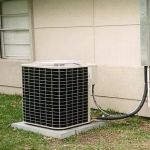
- Examine the Condenser Unit: If you notice that the outside unit is dirty or blocked by debris, clean it to improve airflow. Make sure the condenser coils are free of dirt and dust.
These troubleshooting tips can help you fix minor problems on your own and avoid the expense of calling a professional technician for a simple issue.
4. Step-by-Step Guide: Fixing Your AC Unit
If you’re ready to tackle fixing your AC unit yourself, here’s a step-by-step guide to help you get started:
Step 1: Turn off the Power
Always turn off the power to your AC unit before performing any repairs or maintenance to avoid electric shocks. This can be done by switching off the circuit breaker or disconnecting the unit’s power source.
Step 2: Clean or Replace Air Filters
Remove the air filters and clean them with warm water and mild soap. If they are too dirty or damaged, replace them with new filters. This will improve airflow and cooling efficiency.
Step 3: Inspect the Coils
Check the evaporator and condenser coils for dirt buildup. Use a vacuum or coil cleaner to remove dirt and dust. Clean coils help improve your system’s efficiency and prevent overheating.
Step 4: Check Refrigerant Levels
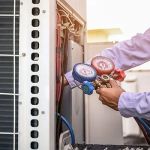
Low refrigerant levels often indicate a leak in the system. If the refrigerant levels are low, it’s essential to call a professional HVAC technician to locate and fix the leak before refilling the system.
Step 5: Inspect the Condenser Unit
Ensure that the outside condenser unit is clear of debris. Remove leaves, dirt, and other objects that may be obstructing airflow. If necessary, hose down the condenser to remove dust buildup.
Step 6: Test the System
Once you’ve completed the basic maintenance, turn the system back on and test it. Set the thermostat to a low temperature and ensure that cool air is blowing through the vents.
By following these steps, you can fix many common issues with your AC unit and keep it running efficiently throughout the year.
5. When to Call a Professional AC Repair Technician
While DIY fixes are helpful for some minor AC issues, there are times when calling a professional is necessary. If your AC unit is experiencing the following problems, it’s best to call a qualified technician:
- Refrigerant leaks
- Electrical issues
- Frozen coils
- Failure to cool despite troubleshooting
- Ongoing strange noises or smells from the unit
Professionals have the expertise and tools to diagnose and fix these problems safely and efficiently. For complex issues, it’s always worth seeking professional help.
6. How to Maintain Your AC Unit for Longevity
Regular maintenance is essential to ensure that your AC unit operates efficiently and lasts longer. Here are some tips for maintaining your AC unit:
- Clean or replace filters regularly (every 1-3 months)
- Schedule an annual inspection and servicing by a professional
- Ensure proper airflow by keeping vents and ducts clear
- Check refrigerant levels and ensure they are within manufacturer specifications
- Keep the outdoor condenser unit free of debris
With proper care and attention, your AC unit can last for many years, saving you money on repairs and replacement costs.
7. Where to Buy AC Repair Products in the US
When it comes to maintaining and fixing your AC unit, having the right tools and products is crucial. At Ac Fix, you can find a variety of AC repair products, including filters, refrigerants, cleaners, and tools for DIY repairs. Visit the website to find everything you need to keep your AC in top shape for years to come.

 Cornerstone AC & Heating4.0 (15 reviews)
 TemperaturePro Charleston4.0 (334 reviews)
 Pioneer Heating & Air Services5.0 (11 reviews)
 Adas Auto Repair & Towing4.0 (65 reviews)
 A/C Doctors Inc.4.0 (470 reviews)
 SERVPRO of Alexandria4.0 (42 reviews)
 Fastest Way to Fix AC Unit Without Getting Overcharged in the US
 How Long Should It Take to Fix an Air Conditioning Leak?
 Top Ways to Fix Your AC Quickly and Affordably in Your Area
 How to Fix Air Conditioners Without Spending a Fortune
 Best Practices for a Successful and Affordable AC Fix
 Where to Fix Air Conditioning in Emergency Situations: Quick Solutions