
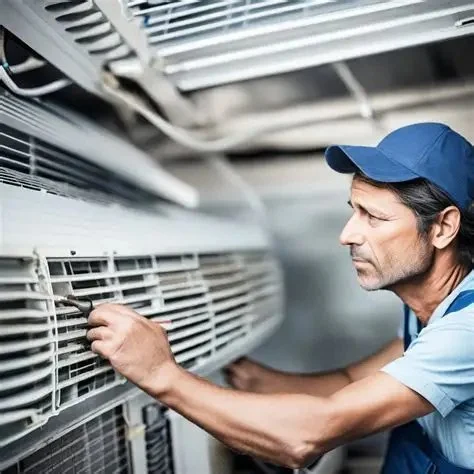
- 1- Understanding AC Repair Costs
- 2- Common Issues with Air Conditioning Units
- 3- DIY Solutions to Save Money on AC Repair
- 4- When to Call a Professional for AC Repair
- 5- Tips to Prevent Future AC Repairs
- 6- Conclusion: How to Fix Your AC Without Breaking the Bank
1- Understanding AC Repair Costs
Air conditioning repair costs can vary significantly depending on the issue, the type of AC unit, and your location. On average, minor repairs can range from $100 to $400, while major repairs or replacements can cost upwards of $1,000. The cost can also depend on whether you're dealing with a simple problem, such as a clogged filter, or a more complex issue, like a compressor failure.
Before jumping into an expensive repair, it's essential to understand common issues and whether they can be fixed on your own to avoid unnecessary costs.
2- Common Issues with Air Conditioning Units
Several issues can cause your air conditioning unit to malfunction. Some of the most common problems include:
- Clogged Air Filters: Air filters trap dust, dirt, and debris. If they become clogged, airflow is restricted, making the unit work harder and increasing energy costs.
- Refrigerant Leaks: A refrigerant leak can prevent your air conditioner from cooling properly. This is a more serious issue and may require professional attention.
- Dirty Coils: The evaporator and condenser coils can accumulate dirt over time, reducing efficiency and causing your AC to overheat.
- Faulty Thermostat: A malfunctioning thermostat may cause temperature fluctuations and improper cooling cycles, leading to an uncomfortable indoor environment.
3- DIY Solutions to Save Money on AC Repair
If your AC isn't functioning properly, there are several DIY solutions you can try before calling in a professional. These simple fixes can often save you money and extend the life of your air conditioner:
- Change the Air Filter: Replacing a clogged air filter is a simple task that can improve airflow and efficiency. This should be done every 1-3 months depending on usage.
- Clean the Coils: Gently clean the evaporator and condenser coils using a coil cleaner or a vacuum with a soft brush attachment to remove dirt and debris.
- Check the Thermostat: Ensure that the thermostat is set to the desired temperature. If your unit isn't responding, consider recalibrating or replacing the thermostat battery.
- Inspect the Ductwork: Leaky or blocked ducts can reduce the efficiency of your AC. Check for visible signs of damage and seal any gaps with duct tape or other appropriate materials.
4- When to Call a Professional for AC Repair
While DIY fixes can solve minor issues, there are times when you need to call a professional for AC repair. Here are some situations where a trained technician is necessary:
- Refrigerant Leaks: If your AC is low on refrigerant, a professional will need to identify and repair the leak, as well as recharge the system.
- Compressor Failure: The compressor is one of the most expensive components of an air conditioning unit. If it fails, it's best to leave the repair to an expert.
- Electrical Issues: Problems with electrical components, such as faulty wiring or capacitor failure, should always be handled by a licensed technician to prevent safety hazards.
- Unusual Noises or Odors: If your AC starts making loud noises or emits strange smells, it could indicate a more serious problem that requires professional attention.
5- Tips to Prevent Future AC Repairs
Prevention is often the best way to avoid costly AC repairs. Here are some tips to keep your system running smoothly for years:
- Regular Maintenance: Schedule annual or bi-annual maintenance with a professional to ensure that all components are working properly.
- Keep the Area Around Your AC Clean: Make sure there are no obstructions around your unit, including dirt, leaves, or debris, that can block airflow.
- Change Air Filters Regularly: Keeping your air filters clean is one of the simplest and most effective ways to maintain optimal AC performance.
- Check for Leaks: Inspect your ductwork and refrigerant lines for any signs of leaks that can affect cooling efficiency.
6- Conclusion: How to Fix Your AC Without Breaking the Bank
AC repair costs can add up quickly, but by taking proactive steps and handling minor issues yourself, you can save money on repairs. Regular maintenance and prompt action can go a long way in extending the life of your air conditioner and preventing expensive fixes.
If you're facing more serious issues like refrigerant leaks or compressor failure, it's best to call a professional to ensure the problem is handled safely and effectively. Remember, staying on top of your AC’s care and seeking professional help when needed is the key to keeping your system running smoothly without spending a fortune.

 Cornerstone AC & Heating4.0 (15 reviews)
 TemperaturePro Charleston4.0 (334 reviews)
 Pioneer Heating & Air Services5.0 (11 reviews)
 Adas Auto Repair & Towing4.0 (65 reviews)
 A/C Doctors Inc.4.0 (470 reviews)
 SERVPRO of Alexandria4.0 (42 reviews)
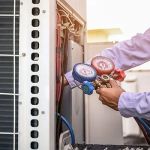 Fastest Way to Fix AC Unit Without Getting Overcharged in the US
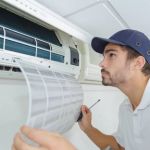 How Long Should It Take to Fix an Air Conditioning Leak?
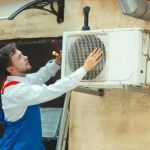 Top Ways to Fix Your AC Quickly and Affordably in Your Area
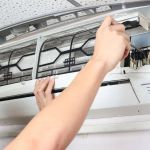 How to Fix Air Conditioners Without Spending a Fortune
 Best Practices for a Successful and Affordable AC Fix
 Where to Fix Air Conditioning in Emergency Situations: Quick Solutions