
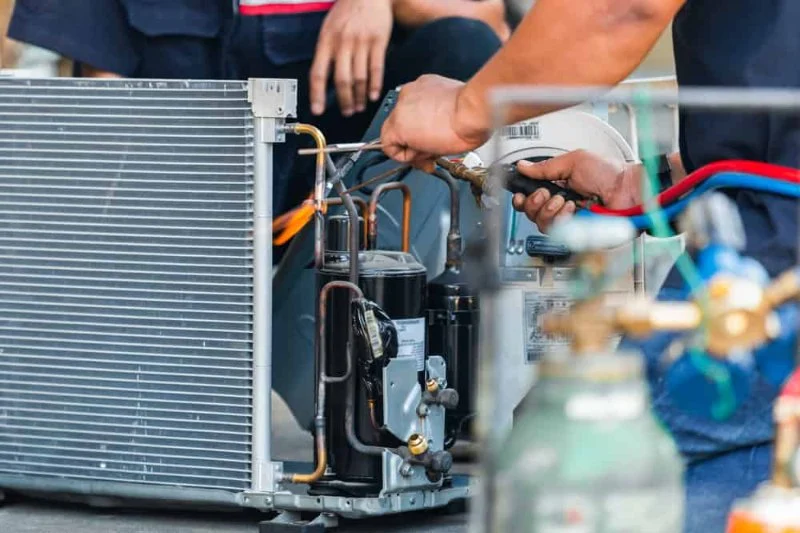
Understanding the Air Conditioner Condenser
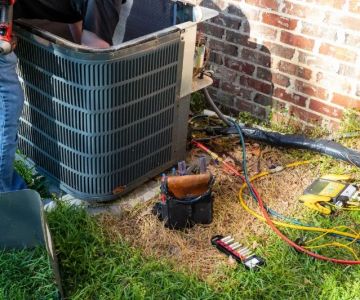
The air conditioner condenser plays a crucial role in the cooling process. Located outside your home, the condenser is responsible for releasing heat absorbed by the refrigerant, allowing the AC system to cool the air inside your home. If your AC condenser isn’t working properly, it can affect the entire system’s efficiency, leading to warm air blowing through the vents and higher energy bills.
How the Condenser Works
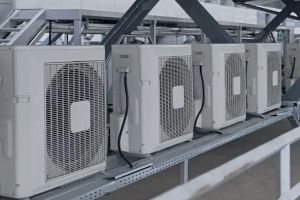
The condenser works by compressing refrigerant gas and circulating it through coils. The gas releases the heat it has absorbed from the indoor air as it cools and changes back into a liquid. The cooled liquid then flows into the evaporator coils inside the air handler to cool the air inside your home. Without a functioning condenser, this cycle cannot take place, and the cooling process is disrupted.
Magic Touch A/C Services Inc
Spring HillHernando CountyFlorida
1198 Albury Ave, Spring Hill, FL 34606, USA
Common Condenser Problems and Causes
There are several issues that can cause an air conditioner condenser to malfunction. Understanding these common problems will help you troubleshoot and fix the issue more effectively:
1. Dirty Condenser Coils
One of the most common causes of condenser problems is the accumulation of dirt and debris on the condenser coils. When the coils are clogged, they are unable to release heat effectively, causing the AC unit to work harder and less efficiently. Over time, this can lead to overheating and breakdowns.
2. Refrigerant Leaks
Refrigerant leaks can also cause problems with your condenser. When the refrigerant level drops too low, the condenser can’t function properly, resulting in warm air blowing from your AC unit. Leaks can be tricky to find, but they need to be repaired quickly, or the problem will worsen.
3. Faulty Condenser Fan
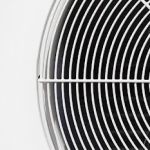
The condenser fan is responsible for blowing air across the coils to help release the heat. If the fan motor fails or the fan blades are obstructed, the heat transfer process is compromised. A faulty fan can lead to the condenser overheating and cause the AC unit to shut down.
4. Electrical Issues
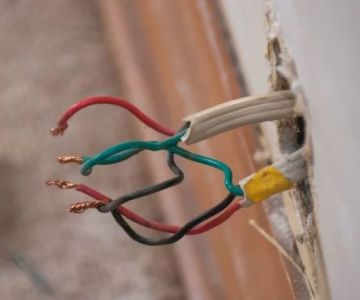
Electrical problems, such as a malfunctioning capacitor or a blown fuse, can prevent the condenser from operating. These issues may cause the condenser to stop working entirely or run intermittently, leading to inconsistent cooling and increased energy consumption.
How to Diagnose Air Conditioner Condenser Issues
Diagnosing problems with your air conditioner condenser can be challenging, but there are some key signs to look out for:
1. Check the Thermostat
Start by checking the thermostat to ensure it’s set correctly. If the thermostat is malfunctioning, it may cause the condenser to run improperly. Make sure the temperature is set to a cool enough setting and that the thermostat is functioning properly.
2. Inspect the Condenser Coils
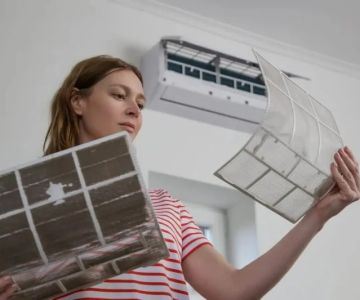
Turn off the power to the unit before inspecting the condenser coils for dirt or debris. If the coils are dirty, use a coil cleaning brush or a specialized coil cleaner to remove the buildup. You may also want to hose down the area around the condenser to remove any leaves, dirt, or other obstructions that could block airflow.
3. Check for Refrigerant Leaks
Identifying a refrigerant leak can be difficult, but if your AC isn’t cooling effectively and the coils are frozen, it may be a sign of low refrigerant levels. In some cases, a technician may use a leak detector to pinpoint the location of the leak and repair it accordingly.
4. Listen for Unusual Noises
If you hear unusual noises, such as grinding, rattling, or buzzing, the condenser fan or motor may be malfunctioning. These noises could indicate that the fan blades are obstructed, the motor is failing, or there’s a mechanical issue with the fan itself. In these cases, you’ll need to check the fan’s condition or replace the motor if necessary.
Steps to Fix Air Conditioner Condenser Problems
If you’ve identified the cause of the issue, here are the steps you can take to fix it:
1. Clean the Condenser Coils
If dirty coils are the problem, clean them thoroughly. Use a soft brush to gently remove dirt, and rinse with water to clean away any remaining debris. For stubborn dirt, consider using a coil cleaner. Regular cleaning is important to maintain your condenser’s efficiency and prevent future issues.
2. Repair Refrigerant Leaks
If you suspect a refrigerant leak, it’s essential to call a professional technician. They will use specialized equipment to locate and seal the leak, then recharge the system with the correct amount of refrigerant. Do not attempt to handle refrigerant repairs yourself, as this can be dangerous and may void your warranty.
3. Fix the Condenser Fan
If the condenser fan is malfunctioning, check the fan blades for obstructions and remove any debris. If the motor is failing, it may need to be replaced. In some cases, the fan motor can be repaired, but in other cases, it may require a full replacement to restore the system’s functionality.
4. Address Electrical Issues
If you suspect electrical problems, such as a blown fuse or a faulty capacitor, it’s best to hire a licensed technician to handle the repairs. Electrical issues can be dangerous if not dealt with properly, and a professional will ensure that the issue is fixed safely and efficiently.
When to Call a Professional for AC Condenser Repair
While some minor issues can be handled DIY, there are certain situations where it’s best to call a professional. If you’ve attempted to troubleshoot the condenser and the issue persists, or if you’re dealing with a refrigerant leak, electrical problem, or complex mechanical failure, it’s time to contact an HVAC technician.
1. Complex Refrigerant Repairs
If you suspect a refrigerant leak or your system is low on refrigerant, it’s crucial to call a professional. Handling refrigerant requires specialized knowledge and equipment, and it’s best left to trained technicians who can handle it safely.
2. Electrical Problems
Electrical issues with your AC condenser, such as a malfunctioning motor or capacitor, can be dangerous if not handled properly. Always consult a licensed technician for electrical repairs to avoid potential hazards and ensure the system is working as it should.
3. Lack of Experience
If you’re unsure how to safely fix or diagnose issues with your AC condenser, it’s always best to call in a professional. HVAC technicians have the experience and tools to accurately diagnose problems and repair them quickly, ensuring your air conditioner works efficiently and safely.
 Custom Air Systems4.0 (34 reviews)
 Trane Supply3.0 (3 reviews)
 High Country Air5.0 (8 reviews)
 E&J Solutions, LLC4.0 (20 reviews)
 Chappell's Heating & Air Conditioning LLC4.0 (16 reviews)
 GMS Air Conditioning, LLC4.0 (97 reviews)
 How Long Should It Take to Fix a Cheap AC? Time and Cost Considerations
 Best Practices for a Successful and Affordable AC Fix
 Best Services That Cheap AC Fix Near You Today
 10 Signs It's Time to Ask: Who Can Fix My AC?
 Common Mistakes to Avoid When Trying to Find an AC Repair Service
 The Ultimate Checklist for Fixing Air Conditioning Successfully