
- 1- Common Causes of Air Conditioner Not Turning On or Off
- 2- Step-by-Step Troubleshooting Guide
- 3- When to Call a Professional for Help
- 4- Real-Life Case: Solving AC Issues
1. Common Causes of Air Conditioner Not Turning On or Off
If your air conditioner isn't turning on or off, it can be frustrating and uncomfortable, especially during extreme temperatures. Several issues could be causing this problem, and understanding these common causes is the first step in troubleshooting your AC:
- Power Issues: A common cause for AC failures is a power supply issue. Check if the unit is plugged in and if the circuit breaker has tripped. In some cases, a blown fuse or faulty wiring could prevent your AC from turning on.
- Thermostat Malfunction: If the thermostat is set incorrectly or malfunctioning, it could prevent the AC from turning on or off. Ensure the thermostat is set to the desired temperature and verify that it is working properly.
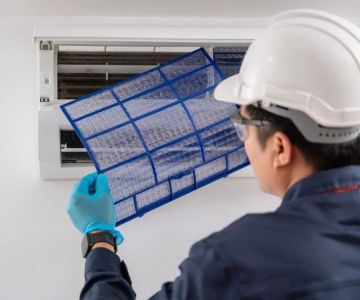
- Dirty or Clogged Air Filters: Dirty air filters can block airflow, leading to overheating and causing your AC to turn off unexpectedly. Make sure your filters are clean and replace them if needed.
- Faulty Capacitor or Compressor: The capacitor provides energy to start the AC’s motor, and a malfunctioning compressor can prevent the unit from cooling or turning on. These components often need professional repair or replacement.
2. Step-by-Step Troubleshooting Guide
Before calling a professional, you can try some simple troubleshooting steps to fix your air conditioner. Follow this guide to help identify and possibly resolve the issue:
- Step 1: Check the Power Supply - Start by checking the power cord and plug to ensure the unit is receiving electricity. Look for any tripped breakers and reset them if needed. If the AC still isn’t turning on, try plugging it into a different outlet.
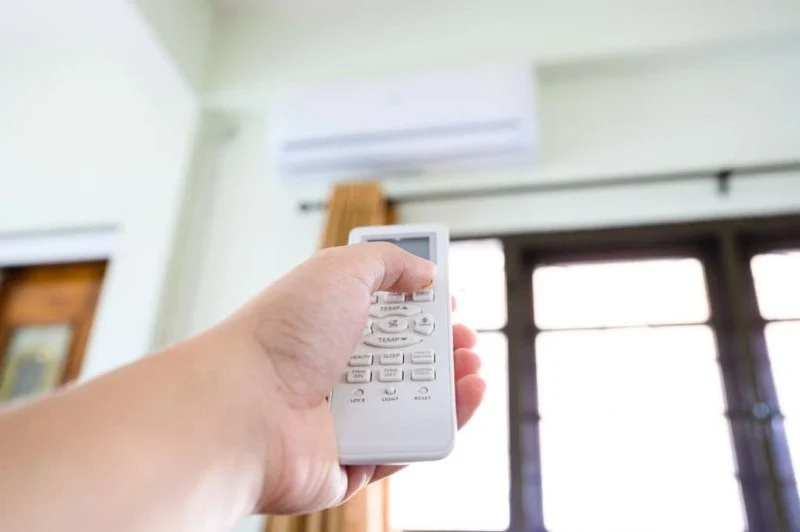
- Step 2: Inspect the Thermostat - Check the thermostat settings to ensure it’s set to "cool" mode and at the right temperature. If it seems to be malfunctioning, consider replacing the batteries or resetting it to the factory settings.
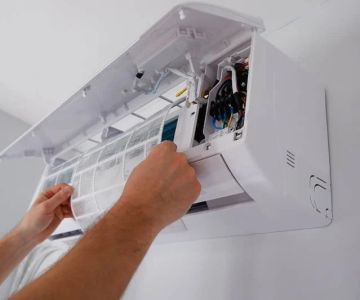
- Step 3: Clean the Air Filters - Turn off the AC, remove the air filters, and inspect them for dirt and dust. Clean them with water or replace them if necessary. A clean filter improves airflow and helps the system run efficiently.
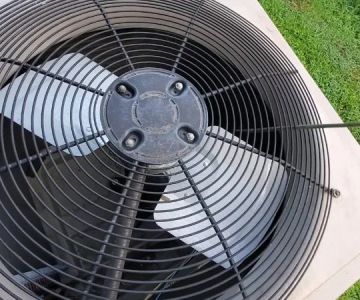
- Step 4: Inspect the Outdoor Unit - Make sure the outdoor unit is not obstructed by debris. Clear any leaves or dirt that may have accumulated, as this can affect the unit's performance and cause it to shut off.
- Step 5: Reset the Unit - Some AC units have a reset button. If yours does, try pressing it to restart the system. Alternatively, turn off the power to the AC for a few minutes and turn it back on to see if that helps.
3. When to Call a Professional for Help
While you can troubleshoot some common issues with your AC, there are situations where professional help is needed. Here are some signs that you should contact an HVAC technician:
- Persistent Power Issues: If your air conditioner still doesn’t turn on despite troubleshooting, there may be an issue with the electrical components that require professional repair.
- Frozen Coils or Leaks: If you notice frozen coils or water pooling around the AC unit, this could indicate a refrigerant leak or another serious issue that needs to be addressed by a professional.
- Unusual Noises or Odors: Strange noises, such as buzzing or grinding, or unpleasant smells coming from your AC unit, may be signs of a malfunctioning motor or other internal issues that require a technician's expertise.
- System is Blowing Warm Air: If your AC is running but blowing warm air, it could be a sign of a refrigerant leak or compressor issue that only an expert can diagnose and fix.
4. Real-Life Case: Solving AC Issues
A homeowner in Texas faced an issue where their AC wouldn't turn off, and the temperature inside the house continued to rise. After checking the thermostat, they realized the settings were fine, and they had already cleaned the air filters. However, the problem persisted. They decided to call a professional, who discovered that the capacitor had gone bad. After replacing the capacitor, the AC worked as expected, and the issue was resolved.
This case demonstrates how important it is to know when to involve an expert. While simple troubleshooting can resolve many issues, sometimes the problem lies within complex components that need professional attention.
If you’re struggling with air conditioning issues, visit Ac Fix for expert advice, products, and services to ensure your AC runs smoothly all year long.
 Thermal Service5.0 (25 reviews)
 Anton's Plumbing, Heating/Cooling & Energy Experts4.0 (3900 reviews)
 Hunter's Oil Depot4.0 (267 reviews)
 Arnett Mechanical5.0 (267 reviews)
 Sears Appliance Repair4.0 (62 reviews)
 Nash Air Conditioning Repair5.0 (11 reviews)
 Complete Guide: Air Conditioning Replacement for Homeowners in 2025
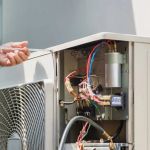 How to Find the Right AC Repair Professional for Homeowners in 2025
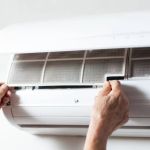 Avoid These Common Mistakes When Trying to Fix Air Conditioning Leak
 How Long Should It Take to Fix My Air Conditioner?
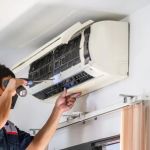 The Ultimate Checklist to Find Who Can Fix My Air Conditioner Successfully
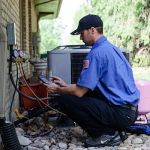 Experts Explain How to Fix Central Air Conditioning Unit Like a Pro