
Complete Guide: Air Conditioning Replacement for Homeowners in 2025
- 1. Why You Should Replace Your Air Conditioning System
- 2. Signs You Need to Replace Your AC
- 3. Factors to Consider When Replacing Your AC
- 4. Choosing the Right AC for Your Home
- 5. Costs of AC Replacement in 2025
- 6. Benefits of Upgrading Your AC System
1. Why You Should Replace Your Air Conditioning System
Replacing your air conditioning (AC) system is one of the most important decisions you’ll make as a homeowner, especially as we move into 2025. While repairing an old unit may seem cost-effective in the short term, older AC systems are often inefficient and prone to breakdowns. In fact, they can end up costing more in repairs and energy bills over time than simply replacing them with a new, more efficient model.
With advancements in technology, newer AC units are not only more energy-efficient but also come with advanced features that can help enhance your home’s comfort, reduce your carbon footprint, and save you money on electricity. In addition, government incentives and rebates may be available for upgrading to a high-efficiency unit, making 2025 the perfect time to consider a replacement.
2. Signs You Need to Replace Your AC
Before committing to an AC replacement, it’s important to recognize the signs that indicate it’s time for a new unit. Here are some common warning signs:
- Frequent Breakdowns: If your AC unit is breaking down frequently and the repairs are becoming more expensive, it’s likely time for a replacement.
- Old Age: AC systems typically last between 10 and 15 years. If your unit is older than that, it may no longer be efficient enough to meet your cooling needs.
- Increased Energy Bills: An inefficient AC unit will struggle to cool your home, leading to higher energy bills. If your utility costs are rising despite regular maintenance, a replacement may be necessary.
- Strange Noises: Unusual sounds such as banging, screeching, or rattling often indicate serious mechanical problems that are not easily repaired.
If you’re noticing any of these signs, it’s a good idea to have a professional HVAC technician assess your system to determine whether replacement is the best option.
3. Factors to Consider When Replacing Your AC
When replacing your air conditioning system, there are several factors to consider to ensure you choose the right unit for your home:
- Size and Cooling Capacity: Your new AC should be sized appropriately for your home. A unit that’s too small won’t cool effectively, while one that’s too large will cycle on and off too frequently, wasting energy.
- Energy Efficiency: Look for AC models with high Seasonal Energy Efficiency Ratio (SEER) ratings. Higher SEER ratings mean better efficiency, lower energy bills, and less environmental impact.
- Type of AC: There are several types of AC systems to consider, including central air conditioners, ductless mini-split systems, and window units. Choose the one that best fits your home’s needs and layout.
- Warranty and Maintenance: Ensure that the new unit comes with a solid warranty and inquire about the ongoing maintenance costs. Many modern units are low-maintenance, but it’s important to know what’s involved in caring for your new system.
Taking the time to consider these factors will help you select an AC system that delivers optimal performance and long-term value for your home.
4. Choosing the Right AC for Your Home
Choosing the right air conditioner for your home is crucial for both comfort and energy efficiency. Here are some steps to guide you in selecting the ideal system:
- Evaluate Your Home’s Size: Larger homes may require a more powerful unit, while smaller homes may only need a more compact system. A professional contractor can perform a load calculation to determine the exact cooling needs of your home.
- Consider Your Budget: AC units vary widely in price, depending on the brand, size, and features. Make sure you choose a system that fits both your cooling needs and your budget.
- Look for Energy-Efficient Models: As energy costs rise, it’s important to invest in a model that uses less electricity to run. Look for units with the ENERGY STAR label, which signifies top-tier efficiency.
- Check Reviews: Research customer reviews and expert opinions to find units with high reliability and performance ratings. This can help you avoid units with common issues or poor performance.
By carefully considering these factors, you can ensure that the new air conditioning system you choose will efficiently cool your home while reducing energy costs in the long term.
5. Costs of AC Replacement in 2025
The cost of replacing an air conditioning unit can vary depending on several factors, including the type of system, the size of your home, and the complexity of the installation. On average, homeowners can expect to pay between $3,500 and $7,500 for a new central air conditioning system, including installation costs. However, ductless mini-split systems and high-end models can cost more.
While the upfront cost of replacing your AC may seem high, the long-term savings in energy efficiency and fewer repairs can make the investment worthwhile. Many HVAC companies also offer financing options to help make the replacement more affordable.
6. Benefits of Upgrading Your AC System
Upgrading your air conditioning system offers numerous benefits, especially as we enter 2025. Here are some of the most compelling reasons to replace your old AC:
- Improved Energy Efficiency: Newer AC models are significantly more energy-efficient than older units, which translates into lower monthly utility bills and a reduced carbon footprint.
- Better Comfort: Modern air conditioning units provide more consistent and reliable cooling throughout your home, ensuring optimal comfort no matter the season.
- Less Frequent Repairs: New systems require less maintenance and are less likely to experience breakdowns, saving you time and money on repairs.
- Enhanced Air Quality: Many new AC units come equipped with advanced filtration systems that can improve indoor air quality, which is especially important for allergy sufferers.
Upgrading your air conditioning system is an investment in both the comfort of your home and its long-term efficiency. If you’re considering an upgrade in 2025, it’s a great opportunity to take advantage of modern technology and energy-saving features.

 Cornerstone AC & Heating4.0 (15 reviews)
 TemperaturePro Charleston4.0 (334 reviews)
 Pioneer Heating & Air Services5.0 (11 reviews)
 Adas Auto Repair & Towing4.0 (65 reviews)
 A/C Doctors Inc.4.0 (470 reviews)
 SERVPRO of Alexandria4.0 (42 reviews)
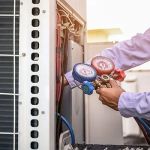 Fastest Way to Fix AC Unit Without Getting Overcharged in the US
 How Long Should It Take to Fix an Air Conditioning Leak?
 Top Ways to Fix Your AC Quickly and Affordably in Your Area
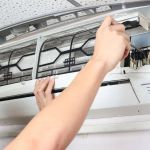 How to Fix Air Conditioners Without Spending a Fortune
 Best Practices for a Successful and Affordable AC Fix
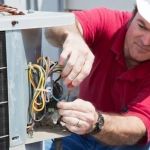 Where to Fix Air Conditioning in Emergency Situations: Quick Solutions