
- 1. Understanding How Air Conditioners Work
- 2. Common Reasons Your AC Isn’t Cooling Properly
- 3. Troubleshooting Steps for Cooling Issues
- 4. How to Repair Your Air Conditioner
- 5. Maintaining Your Air Conditioner for Optimal Performance
1. Understanding How Air Conditioners Work
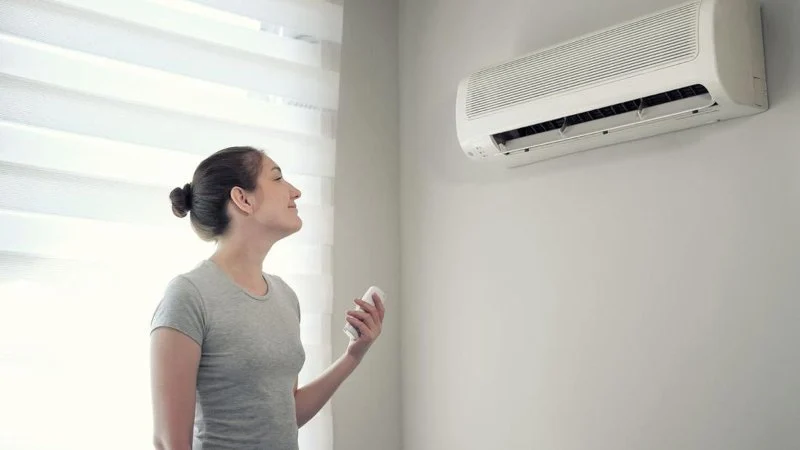
Air conditioners (ACs) work by removing heat from the air inside your home and releasing it outside. The system uses a refrigerant, a fluid that absorbs heat and transports it to the exterior of the building. This cooling cycle consists of several components: the evaporator coil, compressor, condenser coil, and expansion valve. When one or more of these components isn’t functioning properly, it can cause your AC to stop cooling efficiently.
Understanding how your air conditioner works is essential when diagnosing why it's not cooling properly. A basic knowledge of its components will help you troubleshoot and decide whether the issue requires a simple fix or professional intervention.
Hey Key Appliance Repair LLC
MatthewsMecklenburg CountyNorth Carolina
1534 Crescent Ln, Matthews, NC 28105, USA
2. Common Reasons Your AC Isn’t Cooling Properly
If your air conditioner isn’t cooling as it should, several common problems could be the cause. Here are some of the most frequent reasons for AC cooling issues:
Advanced Air Care Heating & Cooling, LLC
EastpointFranklin CountyFlorida
Oyster City Dr, Eastpoint, FL 32328, USA
1. Dirty Air Filters
Clogged or dirty air filters are one of the leading causes of reduced airflow in an air conditioning system. When the filters become dirty, they block the flow of cool air into the living space. This can result in the AC running inefficiently and not cooling effectively. Dirty filters can also damage the AC unit over time by causing it to overheat.
2. Low Refrigerant Levels
Refrigerant is the lifeblood of an air conditioning system. If the refrigerant is low due to a leak or improper charging, your AC won’t cool as efficiently. Low refrigerant levels can also cause the compressor to overheat and malfunction.
3. Faulty Thermostat
If the thermostat is malfunctioning or miscalibrated, it can prevent the AC from reaching the desired temperature. Inaccurate readings can cause the system to run excessively or not turn on when needed.
4. Blocked or Leaking Ducts
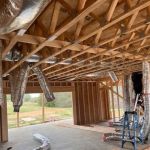
Leaking or obstructed ducts can significantly reduce the airflow, leading to poor cooling performance. If the ducts are leaking, cool air escapes before it reaches your living spaces, and your AC has to work harder to cool the area.
5. Frozen Evaporator Coils
Evaporator coils can freeze if the airflow is restricted (due to dirty filters or blocked ducts), or if the refrigerant is low. When frozen, the coils can no longer absorb heat properly, and the AC may stop cooling effectively.
3. Troubleshooting Steps for Cooling Issues
If your air conditioner isn’t cooling properly, start by troubleshooting these common problems. Here’s a step-by-step guide to help you identify and fix the issue:
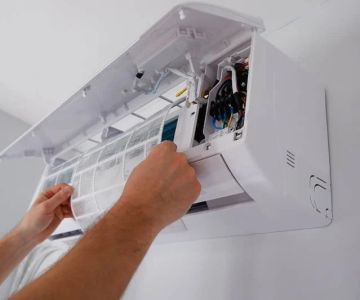
1. Check the Air Filters
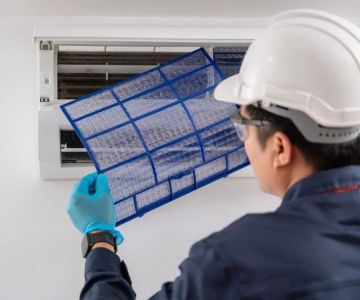
Start by inspecting the air filters. If they appear dirty or clogged, replace them or clean them if they’re reusable. Clean filters improve airflow and allow your system to cool effectively. Aim to replace or clean filters every 1–3 months to ensure optimal performance.
2. Examine the Thermostat Settings
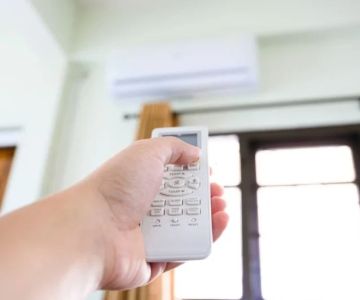
Ensure that your thermostat is set to the desired temperature and that it’s functioning properly. If the thermostat is not responding, you might need to replace the batteries or recalibrate it. If it’s a digital thermostat, check for any software glitches or need for a reset.
3. Inspect Refrigerant Levels
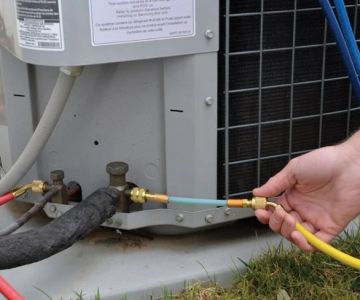
If you suspect that your refrigerant is low, contact a professional HVAC technician to check and refill the levels. Low refrigerant levels often indicate a leak, which requires professional repair. Avoid trying to recharge the refrigerant yourself, as it requires proper handling and equipment.
4. Look for Leaks in the Ductwork
Inspect the ductwork for any visible leaks or obstructions. Leaks can significantly reduce cooling efficiency. If you find any leaks, you may need to seal them with duct tape or contact a professional to fix more extensive duct problems.
5. Unfreeze the Evaporator Coils
If your evaporator coils are frozen, turn off the system and allow the ice to melt. Once the coils have thawed, check for any airflow blockages and clean or replace the air filters. If the coils continue to freeze, it could be a sign of low refrigerant or another serious issue, requiring professional attention.
4. How to Repair Your Air Conditioner
If the troubleshooting steps above don’t solve the problem, it may be time for a repair. Here’s how to approach air conditioner repairs:
1. Repairing the Thermostat
If the thermostat is malfunctioning, it might need to be replaced. Check for issues like a dead battery, miscalibration, or damaged wiring. If these problems persist, consult an HVAC technician to ensure proper installation and calibration of the new unit.
2. Fixing Leaky Ducts
Leaky ducts can be repaired by sealing the joints with metal tape or mastic sealant. For more extensive ductwork issues, consider hiring a professional to inspect and repair your system.
3. Replacing the Compressor
If the compressor is malfunctioning, it may need to be replaced. This is a more complex repair and should be handled by a licensed HVAC technician, as it requires specialized knowledge and equipment.
5. Maintaining Your Air Conditioner for Optimal Performance
To prevent future issues with your air conditioner, regular maintenance is essential. Here are some key tips for keeping your AC in top shape:
1. Regular Filter Replacement
Change the air filter every 1-3 months to ensure efficient airflow and prevent clogs. This simple task can prevent many common AC issues and improve air quality in your home.
2. Annual Professional Inspections
Schedule a professional inspection and tune-up for your air conditioner at least once a year. A certified technician will clean the coils, check refrigerant levels, inspect the thermostat, and ensure all components are working properly.
3. Keep the Area Around the Unit Clean
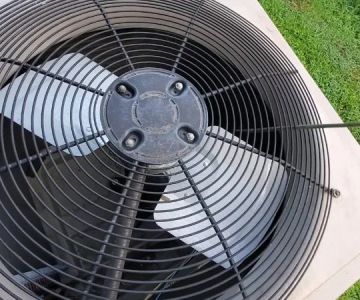
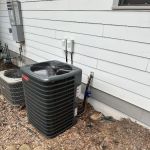
Ensure that the outdoor unit is clear of debris such as leaves, grass, and dirt. These can obstruct airflow and cause your AC to work harder. Regularly clean the area to maintain optimal performance.
If you're experiencing AC issues and need assistance, visit Ac Fix for expert services, quality replacement parts, and professional advice to keep your air conditioning system running smoothly.
 Larkey HVAC4.0 (101 reviews)
 Colonial Home Services - Electrician VB5.0 (10 reviews)
 Esquire Heating And Air4.0 (79 reviews)
 Air Solutions Heating & Air4.0 (80 reviews)
 Davis Air Conditioning & Heating, Inc.4.0 (17 reviews)
 Sears Heating and Air Conditioning4.0 (499 reviews)
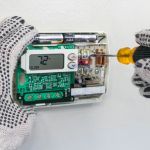 Troubleshooting an Air Conditioner with a Faulty Control Board – A Step-by-Step Guide
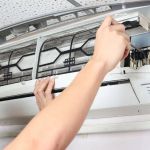 The Best Ways to Fix Air Conditioning Quickly and Affordably in Your Area
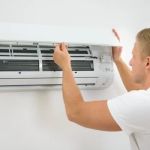 The Ultimate Checklist to Fix Wall Air Conditioner Successfully
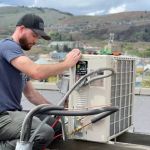 What to Do When You Need to Fix Your AC Immediately: A Step-by-Step Guide
 How to Extend the Lifespan of Your Air Conditioner with Routine Maintenance
 10 Signs It's Time to Air Conditioning Replace