
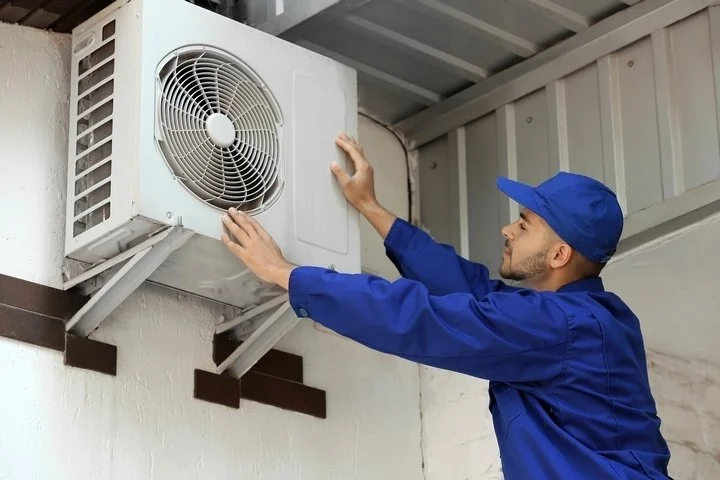
1. Understanding Common Air Conditioner Problems
Air conditioners (AC) are essential for maintaining comfort, especially during the hot summer months. However, like any other appliance, they can encounter problems that affect their performance. Some issues are simple to fix, while others might require professional help. Understanding the most common air conditioner problems can help you troubleshoot and solve them without the need for a technician.
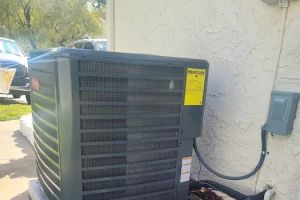
1.1 Lack of Cooling
If your air conditioner is running but not cooling effectively, it could be due to several factors. The most common causes include a dirty air filter, low refrigerant levels, or a malfunctioning compressor. Cleaning or replacing the filter, checking the refrigerant levels, and ensuring the compressor is functioning properly are crucial steps in solving this issue.
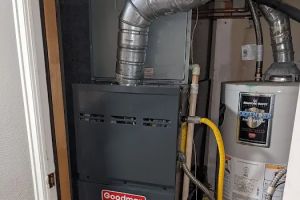
1.2 Strange Noises
Air conditioners can sometimes produce unusual noises such as buzzing, rattling, or grinding. These sounds may indicate a loose or broken component, such as a fan blade or motor. Checking for loose parts or debris in the unit and tightening or replacing any faulty components can often resolve this issue.
1.3 Water Leaks
Water pooling around your air conditioner can be a sign of a clogged condensate drain or frozen evaporator coils. A clogged drain can be cleared with a wet/dry vacuum, and frozen coils may require thawing. It's also important to check for proper drainage to ensure that water is being diverted outside the unit.
2. DIY Tips to Fix Your Air Conditioner
If you're experiencing issues with your AC, here are some DIY tips that may help you solve common problems without the help of a professional technician.
2.1 Cleaning or Replacing the Air Filter
A clogged or dirty air filter is one of the most common causes of air conditioner issues. If your AC isn't cooling properly or making strange noises, start by inspecting the filter. A dirty filter restricts airflow and reduces the efficiency of your system. Clean or replace the filter to ensure optimal airflow and cooling performance.
2.2 Checking the Refrigerant Levels
Low refrigerant levels are another common issue that can lead to insufficient cooling. If your AC isn't cooling as effectively as it should, you may need to check the refrigerant levels. However, handling refrigerant requires specialized knowledge and equipment, so it's recommended to call a professional if you're not comfortable with this task.
2.3 Inspecting the Coils
Both the evaporator and condenser coils are vital components of your air conditioner. Over time, these coils can accumulate dirt, which can cause them to freeze or reduce cooling efficiency. Regularly clean the coils to maintain optimal performance. Be sure to turn off the power to your AC before cleaning the coils to avoid electrical hazards.
2.4 Unclogging the Condensate Drain
The condensate drain removes moisture that your air conditioner extracts from the air. If the drain is clogged, it can lead to water damage and reduced cooling performance. To fix this, use a wet/dry vacuum to clear the drain or flush it with a mixture of water and vinegar to remove any blockages.
3. Maintenance Tips for Air Conditioners
Regular maintenance is essential to ensure your air conditioner runs efficiently and lasts longer. Here are some key maintenance tips to keep your AC in good shape:
3.1 Schedule Regular Cleaning
Cleaning your air conditioner regularly is one of the best ways to prevent common issues. Ensure that you clean the air filter, coils, and condensate drain at least once a month, especially during peak cooling seasons. Keeping these components clean helps your unit run smoothly and prevents clogs and overheating.
3.2 Inspect the AC System Annually
It’s a good idea to schedule an annual inspection of your air conditioning system. During this check-up, a professional technician will inspect the refrigerant levels, clean internal components, and check for potential issues that could lead to system failure. This proactive approach can save you money by catching problems early before they turn into costly repairs.
3.3 Ensure Your AC Unit Is Installed Right
Proper installation is crucial to the performance of your air conditioner. If the unit is not level or improperly sized for the space, it may not cool efficiently. Make sure your AC is installed by a professional and that it's in a location that allows for proper airflow and ventilation.
4. When to Call a Professional Technician
While many air conditioner problems can be solved with DIY methods, some issues may require the expertise of a professional technician. Here are some situations when you should call an expert:
4.1 Refrigerant Leaks
If you suspect that your AC has a refrigerant leak, it’s essential to call a professional. Handling refrigerant requires special training, and leaks can cause significant damage to the system. A technician will be able to detect and repair the leak safely, restoring your AC's performance.
4.2 Electrical Issues
Air conditioners rely on electrical components such as capacitors, motors, and thermostats. If you experience electrical issues or the unit is not turning on, it's best to have a technician diagnose and repair the issue to avoid safety hazards and further damage.
4.3 Frozen Coils or Compressor Failure
Frozen coils or a malfunctioning compressor require professional attention. If your AC system is experiencing these issues, a technician will need to properly diagnose and fix the root cause. Continuing to run the system while it's malfunctioning can lead to further damage and costly repairs.
5. Case Study: Successful DIY AC Repair
Take the case of John, a business owner who faced issues with his commercial AC system during the summer heatwave. The system was not cooling properly, and he feared expensive repairs. After troubleshooting the unit, John discovered that the air filter was clogged and the condensate drain was blocked. He cleaned the filter and cleared the drain himself, restoring the system's performance without needing to call a technician. John's experience highlights how simple DIY fixes can often solve common air conditioner problems and save money.
6. Conclusion
Air conditioner problems can be frustrating, but with the right knowledge and tools, you can solve many common issues yourself. Regular maintenance and a little DIY effort can go a long way in ensuring your AC system runs efficiently. However, if the problem is beyond your skill level, don’t hesitate to call a professional technician. For more tips and the best AC-related products, visit Ac Fix for trusted solutions and expert recommendations.

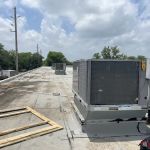 Broussard's AC and Heating5.0 (1 reviews)
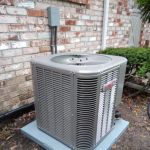 Head Heating and Air Conditioning4.0 (138 reviews)
 Area Wide Services4.0 (189 reviews)
 Baker Distributing Company3.0 (11 reviews)
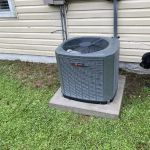 Mid-Florida Heating & Air4.0 (873 reviews)
 Lakewood A/C4.0 (60 reviews)
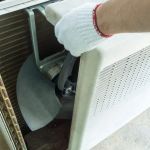 Experts Explain How to Fix Air Conditioner Like a Pro: Easy Steps and Tips
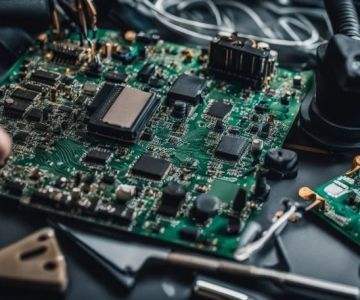
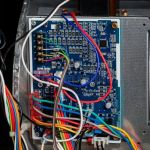 How to Repair an Air Conditioner with a Faulty Control Board
 Complete Guide: Fix AC Unit for Homeowners in 2025
 Top Ways to Air Conditioning Replace Quickly and Affordably in Your Area
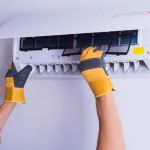 Top Ways to Air Conditioning Replace Quickly and Affordably in Your Area
 Why Your Air Conditioner Is Running Too Much and How to Fix It