
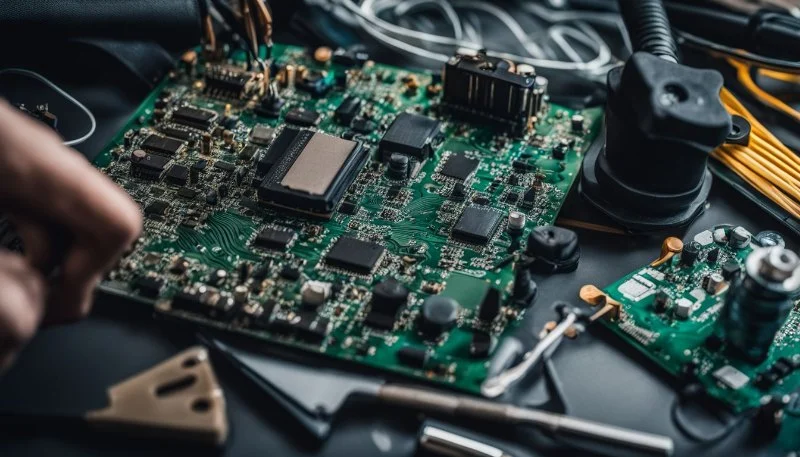
- 1. Understanding the Role of an AC Circuit Board
- 2. Common Signs of a Faulty AC Circuit Board
- 3. Diagnosing a Faulty AC Circuit Board
- 4. Step-by-Step Guide to Repairing an AC Circuit Board
- 5. When to Call a Professional for AC Circuit Board Repair
- 6. How AC Fix Can Help You
1. Understanding the Role of an AC Circuit Board
The circuit board of an air conditioning (AC) system is essentially its brain. It controls various components such as the compressor, fan, and thermostat, ensuring the system runs efficiently. The circuit board is responsible for regulating signals to other parts of the system, enabling communication between different electrical components. If the circuit board malfunctions, the entire AC system can stop working, leading to an uncomfortable home environment, especially during hot weather.
2. Common Signs of a Faulty AC Circuit Board
Identifying a faulty AC circuit board early on can save you time and money on repairs. Here are some common signs that indicate your AC circuit board might be malfunctioning:
- AC not turning on: If your AC fails to start, the circuit board may not be sending the correct signals to start the compressor or fan.
- Unusual noises: If you hear strange clicking, buzzing, or humming sounds coming from your AC unit, it may be a sign of a short circuit or malfunction in the circuit board.
- Inconsistent cooling: If your AC is blowing air but not cooling effectively, there could be a problem with the signals the circuit board is sending to the compressor or fan.
- Blown fuses: A faulty circuit board can cause electrical overloads, resulting in blown fuses or tripped circuit breakers.
3. Diagnosing a Faulty AC Circuit Board
Before attempting any repairs, it's crucial to diagnose the issue accurately. Here’s a step-by-step approach to diagnosing a faulty AC circuit board:
- Turn off the power: Always start by turning off the power to the AC unit to avoid any electrical hazards. Use a multimeter to check for power at the circuit board.
- Inspect the board for visible damage: Look for burnt spots, cracked components, or damaged connections on the circuit board. Any visible signs of damage indicate a faulty board.
- Check the fuses and relays: Use a multimeter to test the fuses and relays connected to the circuit board. If they’re blown or malfunctioning, the circuit board may need replacing.
- Test the voltage: Check the voltage going into the circuit board using a multimeter. If the voltage is not within the manufacturer’s recommended range, the board may not be receiving proper power.
4. Step-by-Step Guide to Repairing an AC Circuit Board
If you've diagnosed a faulty AC circuit board, follow these steps to repair or replace it. However, keep in mind that if you're uncomfortable with electrical work, it's best to call a professional.
- Step 1 - Disconnect the AC unit: Turn off the power and disconnect the AC unit from the electrical source.
- Step 2 - Remove the circuit board: Locate the circuit board, remove any screws or bolts holding it in place, and carefully disconnect the wires. Take note of where each wire connects for reinstallation.
- Step 3 - Replace faulty components: If the circuit board has damaged components such as capacitors, resistors, or relays, replace them. Be sure to use components that match the specifications of your unit.
- Step 4 - Install the new circuit board: If the entire board is damaged beyond repair, replace it with a new one. Carefully reattach the wires and secure the new board in place.
- Step 5 - Test the AC: Once the repair is complete, reconnect the power and test the AC unit to ensure it's functioning correctly.
5. When to Call a Professional for AC Circuit Board Repair
While diagnosing and repairing a faulty AC circuit board can be a DIY task, it's important to know when to call a professional. If you encounter any of the following situations, it’s best to seek expert help:
- No visible damage: If there’s no obvious sign of damage, but the AC still isn’t working, a professional can better diagnose the issue using specialized equipment.
- Complex electrical issues: If the problem involves complex electrical systems or the risk of electrocution, it’s best to hire a certified technician.
- Inexperience: If you're unsure about working with electrical components or lack the tools to do the job safely, don’t hesitate to call a professional.
6. How AC Fix Can Help You
If you're dealing with a faulty AC circuit board and need professional assistance, AC Fix is here to help. We offer expert repair services, high-quality replacement parts, and tips to maintain your AC unit in optimal condition. Whether you need a quick diagnosis or a full repair, our team of professionals is ready to ensure your AC works like new.


 Kerr Heating & Cooling, Inc4.0 (23 reviews)
 Development Air Conditioning & Heating Inc3.0 (11 reviews)
 Nassau Appliance & HVAC Service, LLC4.0 (39 reviews)
 Bowlin's Auto Repair4.0 (65 reviews)
 San Antonio Auto Center4.0 (123 reviews)
 South Heating and Cooling LLC4.0 (25 reviews)
 How to Repair and Maintain Your Air Conditioner’s Condenser
 Everything You Need to Know Before Fixing Air Conditioning for Homeowners
 Common Mistakes When Fixing Your AC Unit and How to Avoid Them
 Can You Fix AC Condenser Without Replacing the Entire System?
 Who Should You Trust When You Need to Fix an Air Conditioning Leak? | Expert Tips
 How Much Does It Really Cost to Fix My AC? A Comprehensive Guide