
- 1. Why Air Conditioner Condenser Maintenance is Important
- 2. How to Identify Problems with Your Condenser
- 3. Steps to Clean and Maintain Your Condenser
- 4. Repairing Common Condenser Issues
- 5. When to Call a Professional for Help
- 6. Final Thoughts and Recommendations
1. Why Air Conditioner Condenser Maintenance is Important
The condenser is one of the most critical components of your air conditioning system. It plays a crucial role in the cooling process by releasing heat absorbed from inside the home to the outside. If the condenser becomes clogged, dirty, or damaged, it can result in poor performance, increased energy consumption, and costly repairs. Regular maintenance of your air conditioner's condenser not only ensures it runs efficiently but also extends the lifespan of the entire system.
Proper care of the condenser can prevent major breakdowns, keep your home cool during the summer months, and save you money in energy bills. In this article, we'll discuss how to spot potential issues, steps to maintain your condenser, and when it’s time to call in a professional for repairs.
2. How to Identify Problems with Your Condenser
Before you start repairing or maintaining your air conditioner’s condenser, it’s essential to know the signs that it may not be functioning properly. Here are some common symptoms that indicate a problem with your AC condenser:

Hollenback Heating & Air, INC
PensacolaEscambia CountyFlorida
1816 Augusta Ave, Pensacola, FL 32507, USA
2.1. Reduced Cooling Performance
If your air conditioner is not cooling as efficiently as it once did, the condenser could be dirty or malfunctioning. Reduced airflow or a decrease in the coolness of the air can indicate that the condenser is not releasing heat effectively, leading to a drop in cooling performance.
2.2. Strange Noises
Unusual noises, such as grinding, buzzing, or rattling sounds, may suggest that the condenser’s fan or motor is malfunctioning. These noises should be addressed immediately, as they can be a sign of serious mechanical issues.
2.3. Frozen Coils
If the evaporator coils inside the AC unit freeze, it may affect the condenser’s ability to release heat. This can be caused by a dirty condenser coil, low refrigerant levels, or airflow issues. If you notice ice buildup on your AC unit, it’s crucial to address the problem quickly to avoid further damage.
3. Steps to Clean and Maintain Your Condenser
Cleaning and maintaining your air conditioner's condenser is vital for ensuring efficient operation. Here are the steps you can take to clean and maintain your condenser:
3.1. Turn Off the Power
Before performing any maintenance on your AC unit, ensure that the power is turned off at the breaker box. This will prevent any accidents or electrical shocks while you’re working on the unit.
3.2. Clear the Area Around the Condenser
Check the area around your condenser for any debris, leaves, dirt, or other obstructions that could impede airflow. Clear the space at least two feet around the unit to ensure proper ventilation. This will help the condenser function efficiently and prevent the buildup of dirt that can clog the coils.
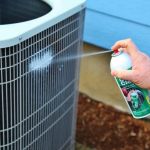
3.3. Clean the Coils
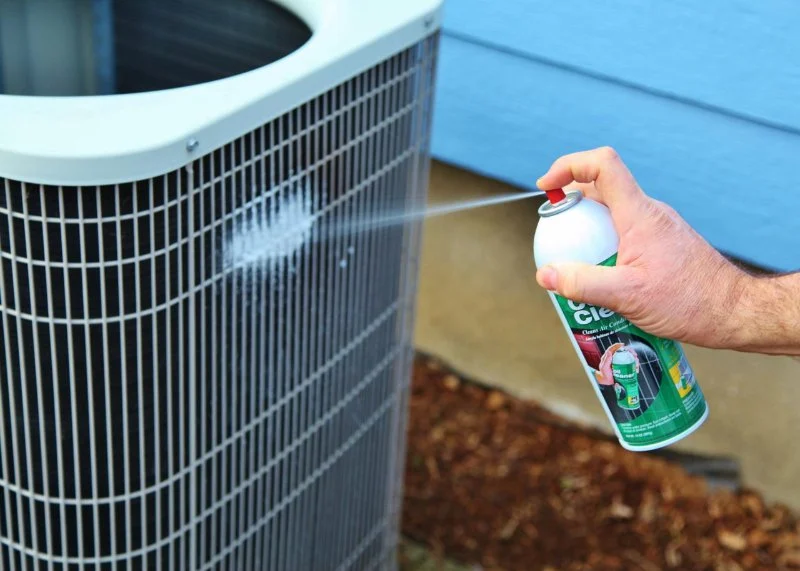
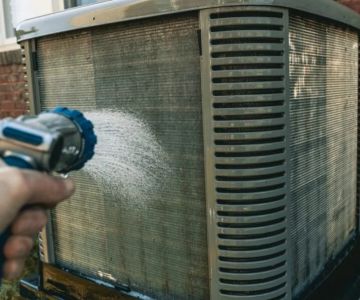
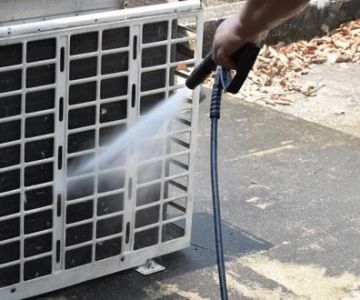
Use a soft brush or a vacuum with a soft attachment to remove dirt and dust from the condenser coils. You can also use a garden hose to gently rinse the coils to remove any stubborn debris. Be careful not to bend or damage the delicate coils during cleaning.
3.4. Check the Fan and Motor
Examine the condenser fan for any dirt, debris, or damage. If the fan blades appear to be damaged, or the fan isn’t spinning freely, it may need lubrication or replacement. Clean the fan blades with a damp cloth and ensure they are free of obstructions.
3.5. Inspect the Condenser Fins
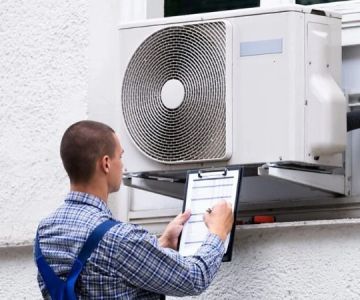
Inspect the condenser fins for any bends or damage. If the fins are bent, you can straighten them using a fin comb or a similar tool. Keeping the fins in good condition helps maintain optimal airflow and improves the overall efficiency of the system.
4. Repairing Common Condenser Issues
While regular maintenance can prevent many issues, some problems with the condenser may require repairs. Here are some common issues and solutions:
4.1. Low Refrigerant Levels
If your air conditioner is low on refrigerant, it can cause the condenser to overheat and malfunction. This is often caused by leaks in the system. If you suspect low refrigerant, call a professional to check for leaks and refill the refrigerant. Handling refrigerant requires specialized knowledge, so it’s best left to trained technicians.
4.2. Faulty Condenser Fan
If the condenser fan is not working properly, it could be due to a faulty motor or electrical issue. Replacing a broken fan motor or fixing wiring issues may require professional help. If you hear unusual noises coming from the fan, or if the fan stops running entirely, it’s important to address the issue right away.
4.3. Dirty or Blocked Coils
If the coils are too dirty or blocked with debris, they may need more than just a light cleaning. In some cases, professional cleaning may be necessary to remove stubborn buildup. Regular maintenance and cleaning can help avoid this issue, but if the coils are severely clogged, a professional technician will be able to clean them properly.
5. When to Call a Professional for Help
While there are many steps you can take to maintain and clean your air conditioner's condenser, certain issues are best handled by a professional. If you encounter any of the following problems, it’s time to call in an expert:
5.1. Electrical Issues
If you notice electrical issues, such as the fan not starting or a tripped circuit breaker, it’s best to call a licensed technician. Electrical problems can be dangerous and require expertise to resolve safely.
5.2. Refrigerant Leaks
Low refrigerant levels typically indicate a leak in the system, which should be addressed by a professional. Handling refrigerants requires special tools and knowledge, and it’s crucial to repair leaks promptly to avoid further damage to the system.
5.3. Compressor Failure
If the compressor, which is essential for circulating refrigerant, fails, it can be costly to repair or replace. A professional technician will be able to diagnose and recommend the best course of action for compressor problems.
6. Final Thoughts and Recommendations
Maintaining and repairing your air conditioner’s condenser is essential for ensuring optimal performance and preventing costly repairs. By regularly cleaning the coils, checking for damage, and addressing small issues early, you can keep your AC running smoothly for years. If you encounter more serious problems, don’t hesitate to call a professional to ensure your system is properly repaired.
For more resources on AC maintenance, or to find high-quality tools and parts for your air conditioner, visit Ac Fix for expert recommendations and the best products to keep your cooling system in top shape.
 Troy's Heat & Air LLC5.0 (2 reviews)
 JLI Mechanical HVAC LLC5.0 (72 reviews)
 All Seasons Cooling & Heating4.0 (12 reviews)
 Hatfield Heating and Air Conditioning Inc. – 24/7 Emergency HVAC Services4.0 (91 reviews)
 24 Hour Air4.0 (129 reviews)
 David Services, Inc5.0 (234 reviews)
 How to Repair and Maintain Your Air Conditioner’s Condenser
 Who Can Fix My AC? Find Out Everything You Need to Know
 Fastest Way to Fix AC Unit Without Getting Overcharged
 How Much Does It Really Cost to Fix Air Conditioner Near Me? | Ac Fix
 Who Can Fix My Air Conditioner Without Replacing the Entire System?
 Fastest Way to Cheap AC Fix Without Getting Overcharged