
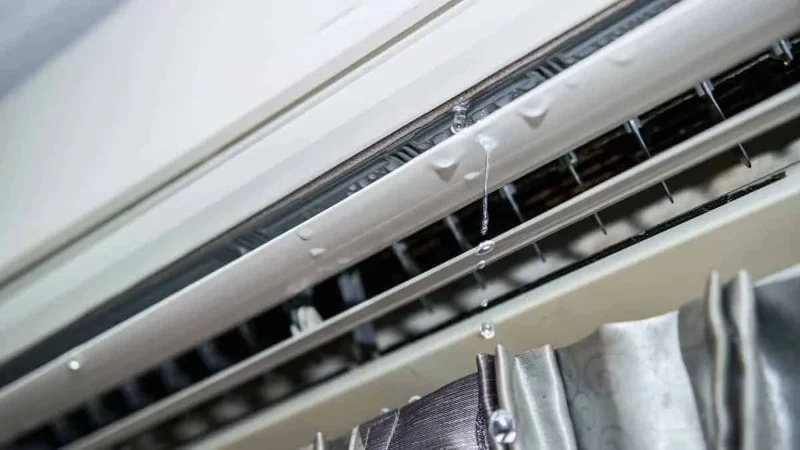
- 1 - Understanding the Causes of Water Leaks in AC Units
- 2 - Why Is Your AC Unit Leaking Water?
- 3 - How to Fix an AC Unit That’s Leaking Water
- 4 - How to Prevent Future Water Leaks in Your AC Unit
- 5 - Real-Life Case Study: Fixing a Water Leak in an AC Unit
1. Understanding the Causes of Water Leaks in AC Units
Water leaks in AC units are a common problem, especially during the warmer months when air conditioners are running frequently. When water starts to leak, it can cause damage to your floors, walls, and even the electrical system of the unit itself. Understanding the causes of AC water leaks is essential to fixing the problem and preventing it from happening again.
Overflow Plumbing, LLC
LouisvilleJefferson CountyKentucky
2110 Reynolds Ln rear, Louisville, KY 40218, USA
2. Why Is Your AC Unit Leaking Water?
There are several common reasons why your AC unit might be leaking water:
Service Emperor Heating, Refrigeration, and AC Repair
1030 US-80 Suite 867, Pooler, GA 31322, USA
2.1 Clogged Drain Line
One of the most frequent causes of water leaks is a clogged condensate drain line. This line allows water that’s removed from the air to flow out of your unit. If it becomes blocked by dirt, algae, or debris, water can back up and leak inside the unit.
2.2 Frozen Coils
If the evaporator coils freeze, it can result in excess water buildup. When the coils thaw, the excess water may leak from the unit. Frozen coils are usually caused by low refrigerant levels or poor airflow, which prevents the coils from absorbing heat effectively.
2.3 Faulty Pump
If your AC unit has a pump to drain water, a malfunction can cause the water to back up and leak. A faulty pump will not be able to push the water out of the system properly, resulting in leaks.
2.4 Improper Installation
If your AC unit isn’t installed correctly, such as being improperly tilted or not aligned properly with the drainage system, it can lead to water leakage. In some cases, the unit may not drain water efficiently, causing water to pool inside the unit.
3. How to Fix an AC Unit That’s Leaking Water
3.1 Turn Off the Power
Before you start fixing your AC unit, it’s crucial to turn off the power to prevent electrical hazards. Always unplug the unit or switch off the power at the circuit breaker to ensure safety.
3.2 Clean the Condensate Drain Line
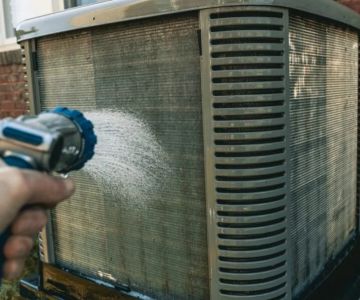
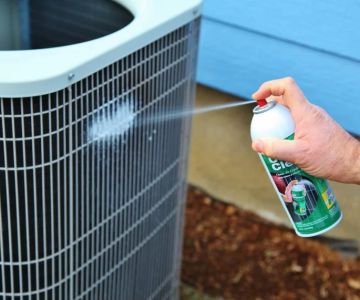
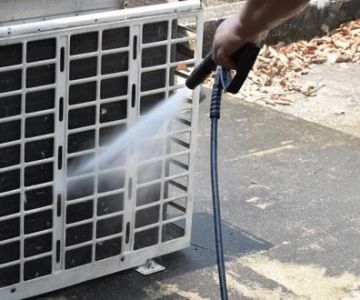
Use a wet/dry vacuum or a plumber’s snake to clear any debris blocking the condensate drain line. If the clog is severe, you may need to use a cleaning solution like vinegar or a special cleaner designed for AC units to remove the blockage. Regular maintenance can help prevent future clogs and keep the drainage system working efficiently.
3.3 Check the Evaporator Coils
If your coils are frozen, turn off the AC unit and allow the coils to thaw. Once thawed, check for any visible damage, such as cracks or leaks. If the coils are damaged, you may need to call a professional for repairs. If the coils are clean but still freezing, check for issues with airflow or low refrigerant levels.
3.4 Inspect and Repair the Pump
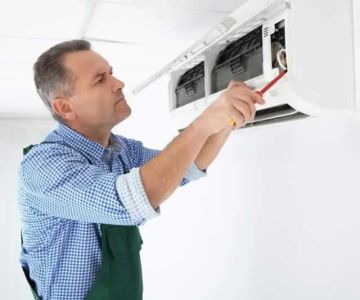
If your AC unit has a pump, check for any blockages or visible damage. If the pump isn’t working correctly, it may need to be replaced or repaired. In some cases, you may need a professional to assess the pump system to ensure it’s functioning properly.
3.5 Ensure Proper Installation
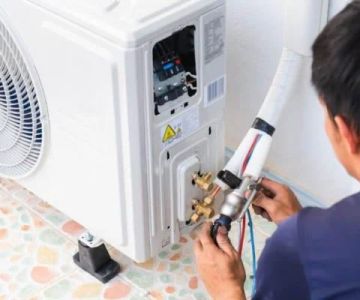
Check that your AC unit is properly installed. Ensure that it’s level and aligned with the drainage system. If you notice any misalignment or tilting, call a professional to adjust the unit to ensure it drains properly.
4. How to Prevent Future Water Leaks in Your AC Unit
4.1 Regular Maintenance
Routine maintenance is essential to keeping your AC unit functioning properly. Clean the condensate drain line, check the evaporator coils for frost, and inspect the pump system regularly. Having an HVAC technician service your unit once a year can help catch issues before they become major problems.
4.2 Install a Drain Pan
If water leakage is a recurring issue, consider installing a drain pan under the unit. This pan can catch any excess water that leaks out, preventing damage to the floors and surrounding areas. Make sure the pan is equipped with a drainage line to direct the water outside.
4.3 Check for Leaks After Every Use
After every use, especially during high-use seasons, check your AC unit for leaks. Even small leaks can escalate into larger issues if left unnoticed. Regular inspection is key to keeping your system in good working order.
5. Real-Life Case Study: Fixing a Water Leak in an AC Unit
John, a homeowner from Florida, faced constant water leakage in his AC unit during the summer months. He noticed water pooling around the base of the unit and a musty smell in the air. After turning off the system, he followed the steps to clean the condensate drain line and check the evaporator coils. He found that the line was clogged with algae buildup, and the coils were slightly frozen due to low airflow. After cleaning the line and thawing the coils, John’s AC unit stopped leaking. He also scheduled regular maintenance for his unit to avoid future problems.
If you’re dealing with similar issues, don’t hesitate to contact Ac Fix for expert advice, high-quality parts, and services that can keep your air conditioning system running smoothly.
 Troy's Heat & Air LLC5.0 (2 reviews)
 JLI Mechanical HVAC LLC5.0 (72 reviews)
 All Seasons Cooling & Heating4.0 (12 reviews)
 Hatfield Heating and Air Conditioning Inc. – 24/7 Emergency HVAC Services4.0 (91 reviews)
 24 Hour Air4.0 (129 reviews)
 David Services, Inc5.0 (234 reviews)
 How to Repair and Maintain Your Air Conditioner’s Condenser
 Who Can Fix My AC? Find Out Everything You Need to Know
 Fastest Way to Fix AC Unit Without Getting Overcharged
 How Much Does It Really Cost to Fix Air Conditioner Near Me? | Ac Fix
 Who Can Fix My Air Conditioner Without Replacing the Entire System?
 Fastest Way to Cheap AC Fix Without Getting Overcharged