
- 1-common-reasons-for-hot-air
- 2-safety-checks-before-fixing
- 3-step-by-step-troubleshooting
- 4-component-inspection-and-replacement
- 5-real-world-fixes-and-case-studies
- 6-preventive-maintenance-tips
1. Common Reasons for Hot Air
Several issues can cause your air conditioner to blow hot air instead of cooling efficiently. Identifying the root cause is key to effective repair.
Comfortable Climate Heating & Air Conditioning
Gloucester PointGloucester CountyVirginia
2823 George Washington Memorial Hwy, Hayes, VA 23072, USA
1.1 Refrigerant Leak or Low Refrigerant
Insufficient refrigerant prevents the AC from absorbing heat properly. Signs include warm air, ice formation on coils, and reduced airflow.
1.2 Dirty or Clogged Air Filters
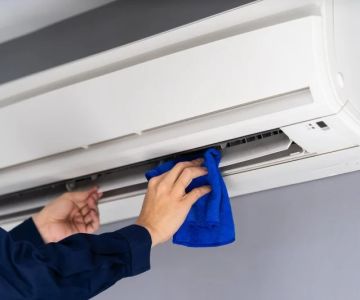
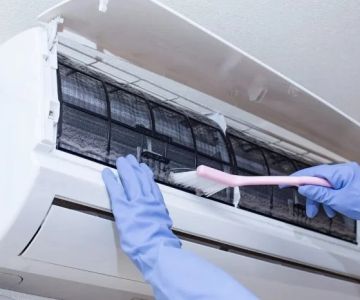
Blocked filters restrict airflow, reducing cooling efficiency. Regular filter cleaning can prevent hot air issues.
1.3 Faulty Compressor or Capacitor
The compressor circulates refrigerant. A malfunctioning compressor or capacitor may prevent proper cooling, leading to warm air output.
2. Safety Checks Before Fixing
Handling AC components safely is critical when troubleshooting.
2.1 Power Shutdown
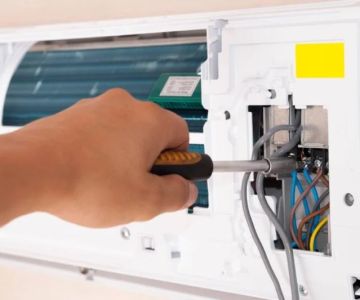
Turn off the AC at the breaker panel before inspecting electrical or mechanical parts to avoid shock or injury.
2.2 Protective Gear
Wear gloves and safety goggles to prevent injuries while handling sharp components or electrical parts.
3. Step-by-Step Troubleshooting
Follow systematic steps to isolate the problem and apply the right solution.
3.1 Check Thermostat Settings
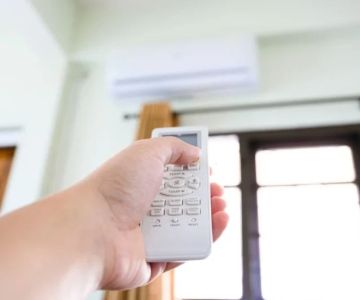
Ensure the thermostat is set to "cool" mode and the temperature is lower than room temperature.
3.2 Inspect Airflow
Verify vents are open and unblocked. Poor airflow can mimic hot air issues even when the AC is functioning properly.
3.3 Evaluate Refrigerant Levels
Use a gauge to measure refrigerant. Low levels may indicate a leak that requires repair before refilling.
4. Component Inspection and Replacement
Some parts may require replacement to restore cooling function.
4.1 Compressor and Capacitor
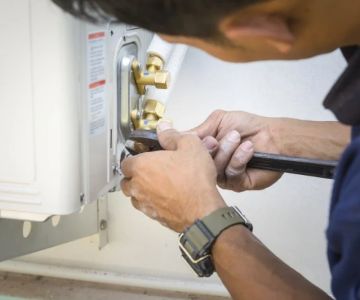
Check for signs of failure such as unusual noises or inability to start. Replace with compatible components to restore performance.
4.2 Condenser and Evaporator Coils
Dirty or frozen coils reduce cooling capacity. Clean and defrost as necessary to improve airflow and heat exchange.
5. Real-World Fixes and Case Studies
Practical examples illustrate successful DIY repairs.
5.1 Homeowner Refrigerant Refill
A homeowner restored AC cooling by sealing a minor refrigerant leak and refilling the system, following safe guidelines. This avoided costly professional service while resolving the hot air problem.
5.2 Common Pitfalls
Avoid ignoring signs of component wear or attempting repairs without shutting off power. Proper precautions are essential for safety and long-term results.
6. Preventive Maintenance Tips
Prevent future hot air issues with routine maintenance.
6.1 Regular Filter Replacement
Clean or replace air filters every 1-3 months to maintain optimal airflow and cooling efficiency.
6.2 Annual Professional Inspection
Even with DIY fixes, professional inspections can catch minor electrical or mechanical issues before they escalate.
6.3 Monitor AC Performance
Watch for unusual noises, fluctuating temperatures, or reduced airflow. Addressing issues early prevents severe problems and maintains comfort.
By following these steps, homeowners can troubleshoot why their air conditioner is blowing hot air and apply effective solutions safely, with Ac Fix offering guidance and support for more complex repairs or parts replacement.
 Emission & Cooling Solutions5.0 (95 reviews)
 2 Cool Air Conditioning4.0 (576 reviews)
 Hattiesburg Tire & Service5.0 (2 reviews)
 Boggs Cooling & Heating Ltd Co4.0 (100 reviews)
 Travis Webb HVAC4.0 (24 reviews)
 Ace Commercial Equipment Repairs4.0 (10 reviews)
 How to Fix a Leaking Drain Line in Your Air Conditioner
 How to Troubleshoot an Air Conditioner That’s Not Blowing Cold Air
 Complete Guide to AC Fix for Homeowners in 2025
 Complete Guide: Fix AC Unit for Homeowners in 2025
 How to Solve Air Conditioner Problems Without the Help of a Professional Technician
 Can You Fix My AC Without Replacing the Entire System? Expert Solutions Explained