
- check-the-thermostat-settings
- inspect-airflow-and-filters
- examine-the-outdoor-unit
- refrigerant-and-coil-issues
- electrical-and-mechanical-problems
- when-to-call-for-professional-help
1. Check the Thermostat Settings First
When an air conditioner is not blowing cold air, frustration can build quickly—especially during a hot American summer. Before assuming major HVAC problems, start with the simplest explanation: thermostat settings.
Buehler Air Conditioning & Plumbing
JacksonvilleDuval CountyFlorida
445 Tresca Rd #404, Jacksonville, FL 32225, USA
1.1 Confirm the Cooling Mode
Make sure the system is set to “Cool,” not “Fan.” In fan mode, the unit circulates air without activating the compressor, which often leads homeowners to think the AC is not cooling properly.
1.2 Adjust Temperature Settings
1. Set the thermostat at least 5 degrees lower than room temperature.
2. Wait several minutes to see if the compressor kicks in.
3. Listen for a click or hum from the outdoor unit.
1.3 Replace Thermostat Batteries
A surprising number of service calls stem from weak or dead batteries. Replacing them can immediately restore normal operation.
2. Inspect Airflow and Filters
Restricted airflow is one of the most common reasons for an air conditioner not blowing cold air. Poor circulation forces the system to work harder while delivering less cooling power.
2.1 Check the Air Filter
A dirty air filter AC issue can significantly reduce airflow. Over time, dust and debris clog the filter, causing the evaporator coil to freeze or overheat.
2.1.1 How to Fix It
1. Turn off the system.
2. Remove the existing filter.
3. Replace it with the correct size and rating.
4. Restart the unit and monitor performance.
2.2 Inspect Air Vents and Ducts
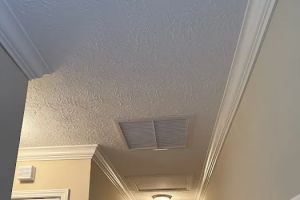
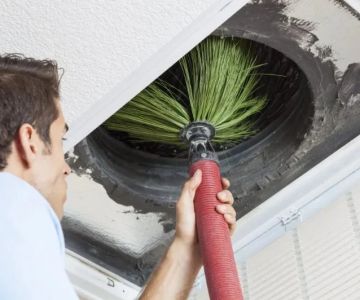
Blocked vents, closed registers, or leaky ducts reduce airflow. Ensure furniture or curtains are not obstructing vents. If airflow seems weak in multiple rooms, ductwork inspection may be necessary.
2.3 Real-World Example
A homeowner in Georgia once assumed a costly compressor failure when her AC started blowing warm air. The actual issue was a severely clogged filter that had not been replaced in over six months. A simple filter change resolved the problem within minutes.
3. Examine the Outdoor Condenser Unit
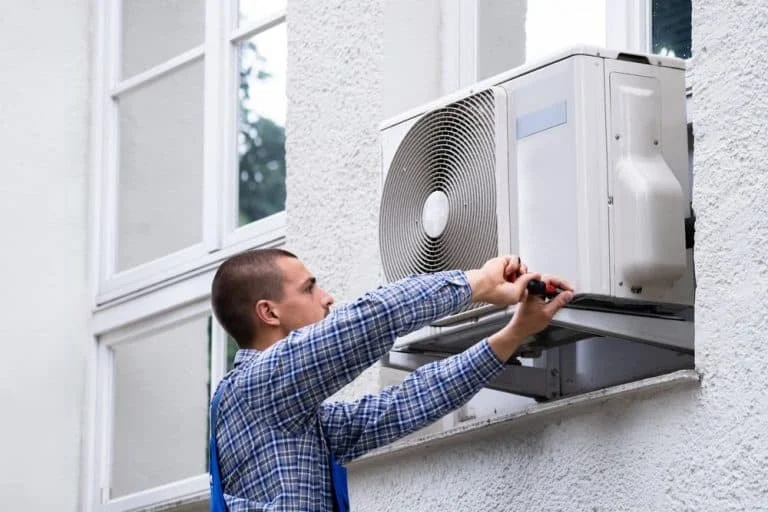
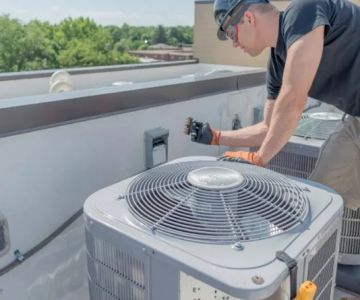
The outdoor component plays a vital role in releasing heat from your home. If it’s not functioning properly, your AC troubleshooting efforts must extend outside.
3.1 Check for Power Issues
Ensure the breaker hasn’t tripped. Reset it if necessary. Also inspect the disconnect box near the condenser unit.
3.2 Clear Debris Around the Unit
Leaves, grass clippings, and dirt can block airflow. Maintain at least two feet of clearance around the condenser for optimal performance.
3.3 Clean the Condenser Coils
Dirty coils reduce heat transfer efficiency. Gently rinse them with a garden hose. Avoid high-pressure sprays that may damage delicate fins.
4. Refrigerant and Coil Issues
If your air conditioner is still not cooling after basic checks, deeper mechanical causes may be involved.
4.1 Low Refrigerant Levels
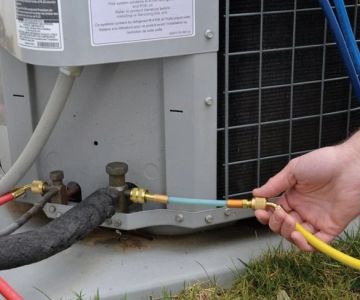
Refrigerant absorbs heat from indoor air. When levels drop due to leaks, the system cannot cool effectively.
4.1.1 Signs of Refrigerant Problems
1. Ice buildup on refrigerant lines.
2. Hissing sounds near the unit.
3. Gradual loss of cooling performance.
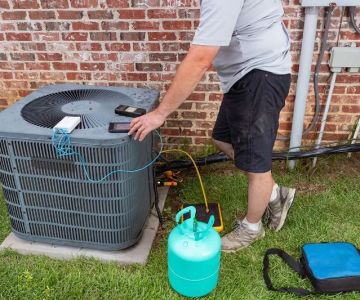
Refrigerant issues require professional handling, as federal regulations restrict improper handling of these chemicals.
4.2 Frozen Evaporator Coils
When coils freeze, airflow stops. This often results from restricted airflow or low refrigerant. Turning off the system and allowing coils to thaw may temporarily restore function, but identifying the root cause is essential.
5. Electrical and Mechanical Problems
More complex HVAC problems may involve internal components that wear out over time.
5.1 Faulty Capacitor or Compressor
The capacitor helps start the compressor and fan motors. If it fails, the system may run but not cool. Compressor issues are more serious and typically require professional air conditioner repair tips and expertise.
5.2 Aging Equipment
Systems older than 10–15 years often struggle to maintain efficiency. If repairs become frequent, upgrading may be more cost-effective long term.
For homeowners unsure about diagnosing or sourcing replacement parts, Ac Fix offers helpful guidance on selecting compatible components and connecting with trusted HVAC professionals. Access to reliable resources can make troubleshooting far less overwhelming.
6. Know When to Call for Professional Help
While many AC troubleshooting steps are manageable, certain situations demand expert intervention.
6.1 Warning Signs That Require Immediate Attention
1. Burning smells from vents.
2. Loud grinding or rattling noises.
3. Repeated breaker trips.
4. Persistent warm air despite troubleshooting.
6.2 The Value of Expert Diagnosis
Certified HVAC technicians use advanced diagnostic tools to measure refrigerant pressure, electrical continuity, and airflow rates. Accurate diagnosis prevents unnecessary part replacements and ensures long-term reliability.
When an air conditioner is not blowing cold air, the solution often lies in systematic troubleshooting rather than immediate replacement. By checking thermostat settings, inspecting airflow, examining outdoor components, and recognizing mechanical warning signs, homeowners can resolve many cooling issues quickly and confidently—restoring comfort even during the hottest days of summer.

 Prillaman Mechanical Htg & A/C4.0 (192 reviews)
 Executive Automotive Repair/B & L AUTO REPAIR4.0 (19 reviews)
 Wolf AC5.0 (11 reviews)
 Belleview Heating & Air Inc4.0 (231 reviews)
 James Knight Appliance Sales & Service3.0 (45 reviews)
 US Air Heating and Cooling4.0 (685 reviews)
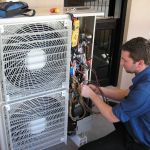 Fastest Way to Replace Your Air Conditioning Without Getting Overcharged
 DIY vs Professional: Should You Fix Your Air Conditioning Yourself?
 DIY vs Professional: Should You Fix Your Air Conditioner Yourself?
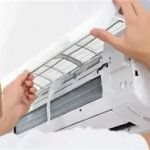 Best Services for Air Conditioning Repair Near You Today | AC Fix
 What to Do When You Need to Fix Air Conditioner Immediately
 Best Services That Fixing Air Conditioning Near You Today