

- 1. Common Causes for Poor Cooling
- 2. How to Troubleshoot Your AC
- 3. When to Call an Expert
- 4. Maintaining Your AC for Long-Term Performance
- 5. How to Choose the Right AC Replacement
1. Common Causes for Poor Cooling
If your air conditioner isn't cooling your home properly, it's essential to first identify the potential causes. Some common reasons include:
- Dirty or clogged air filters: Over time, air filters can become clogged with dust and dirt, reducing airflow and causing your AC to cool inefficiently.
- Low refrigerant levels: If your AC is low on refrigerant, it may struggle to cool your home properly. Low refrigerant can also indicate a leak in the system that needs to be repaired.
- Frozen evaporator coils: Dirty air filters or blocked airflow can cause the evaporator coils to freeze, hindering the cooling process.
- Thermostat issues: If your thermostat is malfunctioning or inaccurately reading temperatures, your AC may not respond correctly to cooling demands.
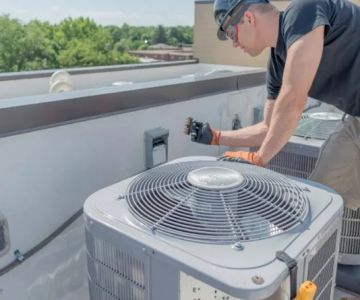
- Dirty condenser coils: The condenser coils on the outside of the unit can accumulate dirt and debris, preventing the system from releasing heat properly and resulting in poor cooling.
Understanding these causes can help you take the right steps to resolve the issue quickly.
2. How to Troubleshoot Your AC
If your air conditioner is not cooling efficiently, here are some troubleshooting tips you can try before calling a professional:
- Check the thermostat settings: Make sure the thermostat is set to "cool" and the temperature is set lower than the current indoor temperature. Also, ensure that the thermostat is located in a room that accurately reflects the temperature of the entire house.
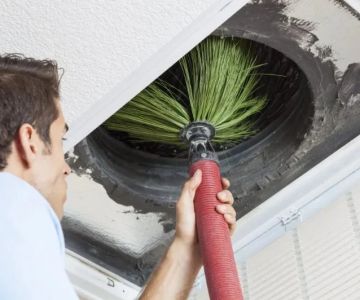
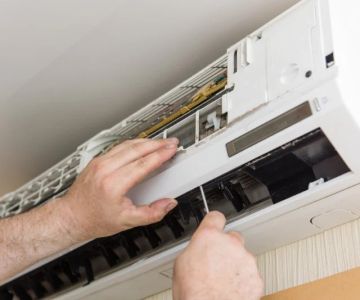
- Inspect the air filter: A clogged air filter is one of the most common causes of poor cooling. If it's dirty, replace or clean the filter. Doing so can significantly improve airflow and efficiency.
- Examine the evaporator coils: If the coils are frozen, turn off your AC and allow the coils to thaw completely. Once thawed, clean the coils and ensure that airflow is not blocked by debris.
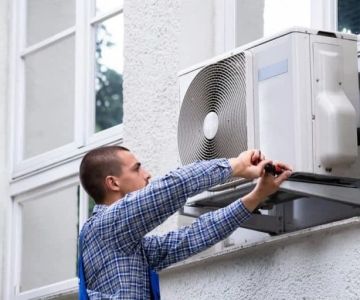
- Check the outdoor unit: Inspect the outdoor condenser unit for debris, such as leaves or dirt, that could obstruct airflow. Clear any blockages to help the unit work more efficiently.
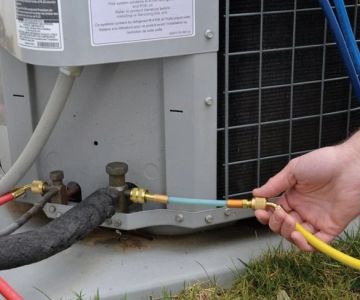
- Test for refrigerant leaks: If you suspect that the refrigerant is low, check for signs of leaks around the refrigerant lines. Leaking refrigerant can only be addressed by a professional technician who will refill the system and fix the leak.
By following these steps, you may be able to identify and resolve the issue without professional help. However, if the problem persists, it’s important to seek professional assistance.
3. When to Call an Expert
If you've tried troubleshooting your air conditioner and the problem still isn't resolved, it’s time to call an HVAC professional. Here are some situations when you should seek expert help:
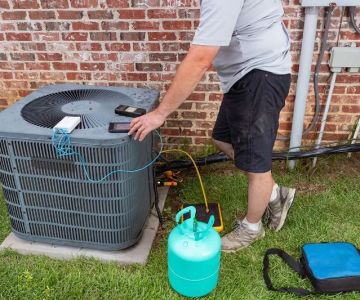
- Persistent issues with refrigerant: Handling refrigerant requires specialized knowledge and tools. If your AC is low on refrigerant or has a leak, a licensed professional is required to handle the situation safely.
- Frozen evaporator coils: If your coils freeze again even after thawing, it could indicate an underlying problem with your system, such as low refrigerant or poor airflow, requiring professional attention.
- Electrical issues: If your AC unit is experiencing electrical problems, such as the circuit breaker tripping frequently or sparks coming from the unit, this poses a safety risk and should be handled by an expert.
- Complex repairs: Some problems, such as a malfunctioning compressor or faulty motor, require in-depth knowledge and experience to fix. An HVAC technician can provide the necessary repairs to get your system running efficiently.
Professional help can ensure that the problem is addressed safely and effectively, avoiding costly repairs down the road.
4. Maintaining Your AC for Long-Term Performance
Once your air conditioner is cooling properly again, regular maintenance is key to preventing future issues. Here are a few tips for long-term AC care:
- Replace air filters regularly: Change or clean your AC filters every 1-3 months to maintain good airflow and efficiency.
- Schedule annual inspections: Have a professional technician inspect and clean your AC unit at least once a year to catch any potential problems early and ensure it's working efficiently.
- Keep the outdoor unit clean: Regularly clear any debris from the condenser coils and surrounding area to ensure proper airflow and heat release.
- Check refrigerant levels: Have a technician check the refrigerant levels during routine maintenance to ensure your system is running efficiently and prevent leaks.
By performing regular maintenance, you can extend the life of your AC unit and avoid unexpected breakdowns during peak summer heat.
5. How to Choose the Right AC Replacement
If your AC unit is old or beyond repair, choosing the right replacement is critical to maintaining comfort in your home. Here are some factors to consider:
- Energy efficiency: Look for ENERGY STAR-rated models that use less energy and reduce your monthly utility bills.
- Size and capacity: Ensure the new unit is the right size for your home. An oversized unit will cycle on and off too frequently, while an undersized one will struggle to cool your space effectively.
- Noise level: If noise is a concern, choose a unit that operates quietly without disrupting your home environment.
- Warranty and reliability: Choose a reputable brand with a long warranty and positive reviews to ensure you're investing in a reliable unit.
To explore the best AC products and services, visit Ac Fix for expert recommendations and reliable air conditioning solutions.
 Golden Comfort AC & Heating Repair5.0 (101 reviews)
 Houston Heating And Air Conditioning5.0 (7 reviews)
 Texas Elite Air Conditioning & Heating, LLC5.0 (389 reviews)
 Steve Johnston4.0 (2 reviews)
 4Vets Consultants, LLC (Heating & Air)5.0 (1 reviews)
 Hiller Plumbing, Heating, Cooling & Electrical4.0 (1120 reviews)
 Complete Guide: Air Conditioning Replacement for Homeowners in 2025
 The Best Tools for DIY Air Conditioning Repairs and Maintenance
 Why Your Air Conditioner Is Blowing Hot Air and How to Repair It
 Affordable Companies That Air Conditioning Replace Near You
 How to Deal with Air Conditioner Condenser Problems and Fix Them
 What to Do When You Need to Fix Your AC Condenser Immediately: A Quick Guide