
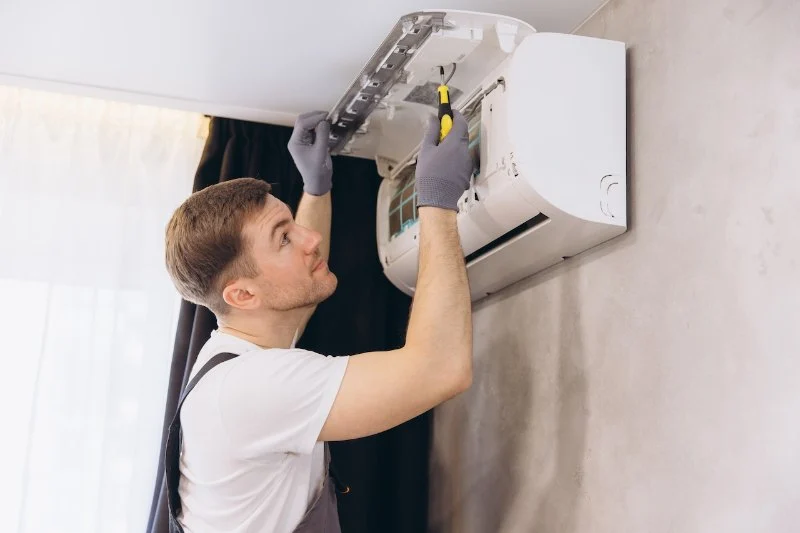
- #Common-Reasons-Your-Air-Conditioner-Blows-Hot-Air - causes - quick-understanding
- #Thermostat-And-Power-Issues - settings - electrical-checks
- #Airflow-And-Filter-Problems - airflow - maintenance - prevention
- #Refrigerant-And-Outdoor-Unit-Concerns - cooling-system - professional-repair
- #Real-Homeowner-Story-And-Practical-Lessons - case-study - real-experience
- #When-To-Fix-It-Yourself-And-When-To-Call-Experts - decision-guide - trusted-help
1. Common Reasons Your Air Conditioner Blows Hot Air
Few things feel more frustrating during a warm afternoon than turning on your AC and realizing it’s pushing out hot air instead of cool relief. Many homeowners across the United States experience this problem at least once, especially during peak summer months when cooling systems are under heavy strain.

1.1 Understanding the sudden change in performance
When an air conditioner starts blowing warm air, it doesn’t always mean the system is broken. Often, the issue is related to settings, airflow, or maintenance problems that have built up over time. Recognizing these small warning signs early can prevent larger and more expensive repairs later.
Peterman Brothers Heating Cooling Plumbing
14580 Wooster Rd, Mt Vernon, OH 43050, USA
1.1.1 The importance of quick inspection
Simple things like incorrect thermostat settings or clogged filters can cause a system to stop cooling effectively. Addressing these early helps avoid long-term damage to the unit.
2. Thermostat And Power Issues
Before assuming the worst, start by checking the simplest parts of the system. Many AC problems begin with incorrect thermostat settings or minor electrical interruptions.
2.1 Incorrect thermostat configuration
It might sound obvious, but a thermostat accidentally switched to “heat” or “fan only” mode can make it seem like the system is broken. Families with children, guests, or smart home integrations often find settings changed without realizing it.
2.1.1 What to verify step by step
1. Confirm the thermostat is set to “cool” mode.
2. Lower the temperature setting several degrees below room temperature.
3. Listen for the outdoor unit turning on.
2.2 Circuit breaker interruptions
If part of the system loses power, the fan might continue running while the cooling components shut off. This results in warm air circulating through your home.
2.2.1 Why this happens
Power surges, storms, or overloaded circuits can trip the breaker connected to your outdoor unit. Resetting it may restore normal operation if no further damage has occurred.
3. Airflow And Filter Problems
Airflow plays a huge role in how effectively an AC system cools a home. Restricted airflow can make even a fully functioning system blow warm air.
3.1 Dirty air filters blocking performance
Over time, dust and debris clog air filters, reducing airflow. This forces the system to work harder and prevents cool air from circulating properly.
3.1.1 Signs your filter needs replacement
1. Weak airflow from vents.
2. Rooms cooling unevenly.
3. Increased energy bills without explanation.
3.2 Blocked vents and duct issues
Furniture, rugs, and even closed vents can disrupt airflow. When the system can’t push air freely, the cooling effect is reduced, sometimes causing the air to feel warm.
3.2.1 Maintenance habits that help
Keeping vents clear and changing filters every 1–3 months can dramatically improve cooling efficiency and extend the life of your system.
4. Refrigerant And Outdoor Unit Concerns
If basic troubleshooting doesn’t solve the issue, the problem may be inside the cooling system itself. Refrigerant levels and outdoor unit health are critical to performance.
4.1 Low refrigerant levels
Refrigerant is the substance that actually removes heat from indoor air. When levels drop due to leaks, the system can no longer cool effectively.
4.1.1 Warning signs to watch for
1. Ice forming on refrigerant lines.
2. Hissing sounds near the unit.
3. Gradual loss of cooling power over weeks.
4.2 Outdoor unit overheating
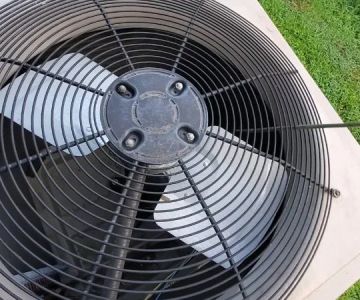
The outdoor condenser releases heat collected from your home. If it becomes clogged with dirt, leaves, or debris, heat cannot escape, and warm air may circulate indoors instead.
4.2.1 Cleaning for better performance
Gently clearing debris around the outdoor unit and ensuring proper airflow can restore cooling efficiency. For deeper cleaning and service, many homeowners explore reliable resources such as Ac Fix to find trusted services or suitable replacement parts.
5. Real Homeowner Story And Practical Lessons
During a particularly intense heat wave in California, a homeowner noticed their air conditioner blowing hot air right when temperatures reached triple digits. Panic set in quickly, especially with elderly family members in the house.
5.1 What actually caused the problem
After checking the thermostat and vents, nothing seemed wrong. Eventually, a technician discovered that a clogged filter had caused the evaporator coil to freeze. Once the ice melted, the system started blowing warm air instead of cool.
5.1.1 The outcome
A simple filter replacement and coil cleaning restored the system in less than an hour. The repair cost was minimal compared to the price of a full system replacement.
5.2 Lessons learned from the experience
This situation highlights how small maintenance tasks can prevent major discomfort and expenses. Regular checks help avoid unexpected breakdowns during the hottest months.
6. When To Fix It Yourself And When To Call Experts
Not every cooling issue requires professional repair, but knowing the difference can save time and money.
6.1 Problems you can often handle alone
6.1.1 Quick DIY checks
1. Replace air filters.
2. Reset the circuit breaker.
3. Confirm thermostat settings.
6.2 Situations requiring professional help
6.2.1 Signs it’s time to call for service
1. Refrigerant leaks.
2. Electrical burning smells.
3. Persistent warm airflow after basic fixes.
In these cases, getting expert support quickly prevents further system damage. Many homeowners explore platforms like Ac Fix to identify the most suitable products, repair services, or local specialists tailored to their needs.
By understanding the main causes behind an air conditioner blowing hot air and learning how to repair it, homeowners can act quickly, stay comfortable, and avoid unnecessary expenses. Regular maintenance, careful observation, and timely repairs make a significant difference in keeping your home cool all season long.

 Markl & Sons Cooling and Heating4.0 (95 reviews)
 Emory's Air Conditioning Heating & Refrigeration3.0 (3 reviews)
 Zack Hammonds A/C Heating Refrigeration Inc.4.0 (472 reviews)
 Vibrant Mechanical5.0 (130 reviews)
 Trinity Cooling Inc5.0 (19 reviews)
 Sears Heating and Air Conditioning0.0 (0 reviews)
 What to Do When You Need Someone to Fix Your Air Conditioner Immediately
 Understanding the Importance of Regular AC Maintenance for Long-Lasting Performance
 How Long Should It Take to Fix an AC Unit? A Detailed Guide
 Can You Fix My AC Without Replacing the Entire System? Here’s What You Need to Know
 How to Fix AC Unit Like a Pro: Expert Tips for Homeowners
 2025 Trends: How People Are Choosing to Fix Air Conditioning Now