
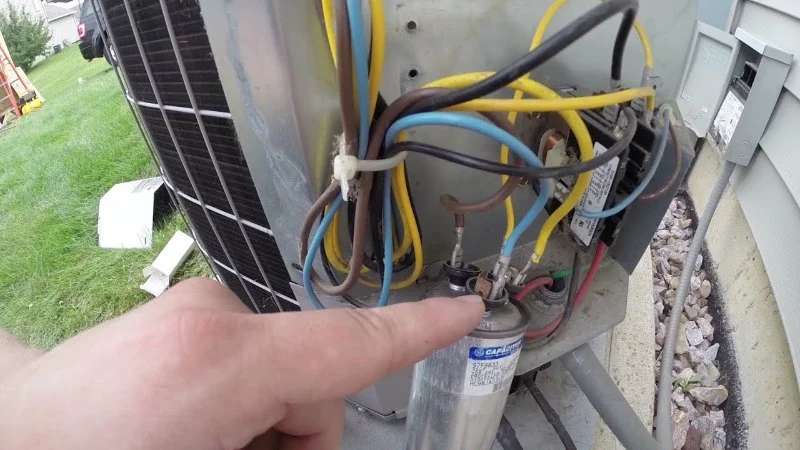
- Why Capacitor Replacement is Important
- Signs of a Failing Capacitor in Your AC
- Steps to Replace the Capacitor in Your Air Conditioning Unit
- Safety Tips When Replacing the Capacitor
- Find AC Repair Tools at Ac Fix
Why Capacitor Replacement is Important
The capacitor in your air conditioning (AC) unit is essential for starting and running the compressor and fan motors. When the capacitor fails, your air conditioning unit may not turn on, or it may work inefficiently, causing higher energy consumption and wear on the system. Replacing a faulty capacitor promptly can save you from expensive repairs or replacements and ensure that your AC operates efficiently throughout the warmer months.
Capacitors are relatively inexpensive components, but their failure can cause significant issues in the overall performance of your AC unit. Learning how to replace the capacitor yourself can save you money on professional services and provide a sense of accomplishment. In this article, we will guide you through the process of replacing a faulty capacitor and share tips to help you with this DIY task.

Signs of a Failing Capacitor in Your AC
Before you can replace the capacitor in your air conditioning unit, you need to be sure that the capacitor is indeed the source of the problem. Here are some common signs that indicate a failing or faulty capacitor:

1. AC Unit Won’t Start
If your AC unit struggles to start or doesn’t turn on at all, it’s often a sign of a faulty capacitor. Capacitors store and release energy to help the compressor and fan motor start, so if the capacitor is malfunctioning, your unit may fail to power up properly.
2. Humming Noise
A humming noise coming from your AC unit, particularly when it’s running, could mean the capacitor is not delivering enough power to the motor. If you hear a persistent humming sound without the fan or compressor turning on, this is a strong indication that the capacitor is to blame.
3. Airflow Problems
Weak airflow or a sudden decrease in cooling efficiency can also be a sign of capacitor failure. When the capacitor is not working properly, it can prevent the fan from operating at full capacity, which results in poor air circulation and less effective cooling.
4. Tripped Circuit Breaker
In some cases, a faulty capacitor can cause your circuit breaker to trip. This is because the compressor or fan motors are drawing excessive power to compensate for the malfunctioning capacitor, which can overload the electrical system and trigger the breaker.
Steps to Replace the Capacitor in Your Air Conditioning Unit
Replacing the capacitor in your AC unit is a manageable task if you follow the proper steps and take necessary precautions. Here’s a step-by-step guide to help you through the process:
1. Turn Off the Power
Safety is the first priority. Before you begin, make sure to turn off the power to your AC unit at the circuit breaker. This will prevent any electrical accidents while you’re working on the unit.
2. Locate the Capacitor
The capacitor is typically located inside the access panel of the outdoor condenser unit. You’ll need to remove the panel using a screwdriver to access the internal components. Once you’ve removed the panel, locate the capacitor—it will usually be a cylindrical or oval-shaped component attached to the side of the unit.
3. Discharge the Capacitor
Capacitors hold an electrical charge even after the power is turned off, so it’s crucial to discharge the capacitor before handling it. Use an insulated screwdriver to bridge the terminals of the capacitor and discharge any stored energy safely. Be cautious during this step to avoid electrical shock.
4. Remove the Faulty Capacitor
Once the capacitor is discharged, carefully remove any wires attached to it. Take note of how the wires are connected so you can attach them to the new capacitor correctly. Use a wrench or socket set to remove the mounting bolts holding the capacitor in place. Carefully remove the faulty capacitor.
5. Install the New Capacitor
Install the new capacitor by positioning it in the same location as the old one and securing it with the mounting bolts. Reconnect the wires to the appropriate terminals on the new capacitor. Make sure the connections are secure and properly aligned.
6. Test the AC Unit
After the new capacitor is installed, replace the access panel and turn the power back on at the circuit breaker. Test the AC unit to ensure it’s operating correctly. If the unit starts up smoothly and the cooling efficiency is restored, you’ve successfully replaced the capacitor!
Safety Tips When Replacing the Capacitor
Working with electrical components can be dangerous if you’re not careful. Here are a few safety tips to keep in mind while replacing the capacitor in your AC unit:
1. Always Turn Off the Power
Before working on any electrical appliance, ensure that the power is turned off completely to avoid electrical shock. Double-check that the power is off before proceeding with any repairs.
2. Use Insulated Tools
When handling the capacitor, use insulated tools to prevent accidental contact with live electrical components. This will help protect you from electrical hazards during the repair process.
3. Wear Protective Gear
Consider wearing rubber gloves and safety goggles to further protect yourself while working with electrical components. If you’re unsure about any part of the process, don’t hesitate to consult a professional.
Find AC Repair Tools at Ac Fix
If you need tools or replacement parts to fix your AC, Ac Fix has everything you need. From capacitors to screwdrivers and safety equipment, we offer a wide range of products designed to make your air conditioning repairs easier and more efficient. Check out our selection today and get the tools you need for your next DIY repair project!
Visit Ac Fix to find quality repair products and parts for all your HVAC needs, and make sure your AC unit runs smoothly year-round!
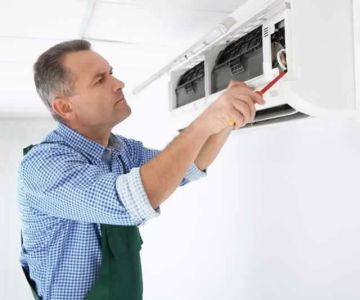

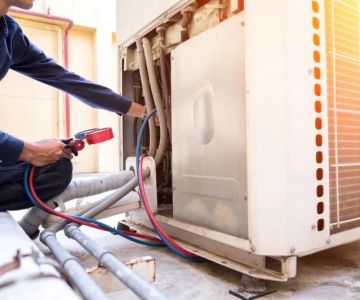
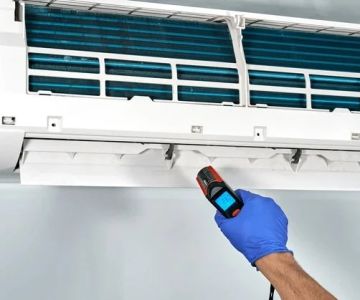
 Johnson Home improvements and Mechanical LLC5.0 (2 reviews)
 4 Seasons Service LLC5.0 (2 reviews)
 ACHV Services5.0 (338 reviews)
 Dominion Comfort Solution2.0 (12 reviews)
 Jackson's Heating & Air3.0 (24 reviews)
 Hawk Cooling and Heating Supplies, LLC5.0 (3 reviews)
 The Ultimate Checklist for Fixing Air Conditioning Successfully
 How Long Should It Take to Fix a Cheap AC? Time and Cost Considerations
 Where to Fix Air Conditioner Near Me in Emergency Situations – Quick & Reliable Help
 How to Fix an AC Unit That Is Not Cooling Your Home Properly
 How Much Does It Really Cost to Fix a Central Air Conditioning Unit? Find Out Now
 How Long Should It Take to Fix Air Conditioning? A Complete Guide