
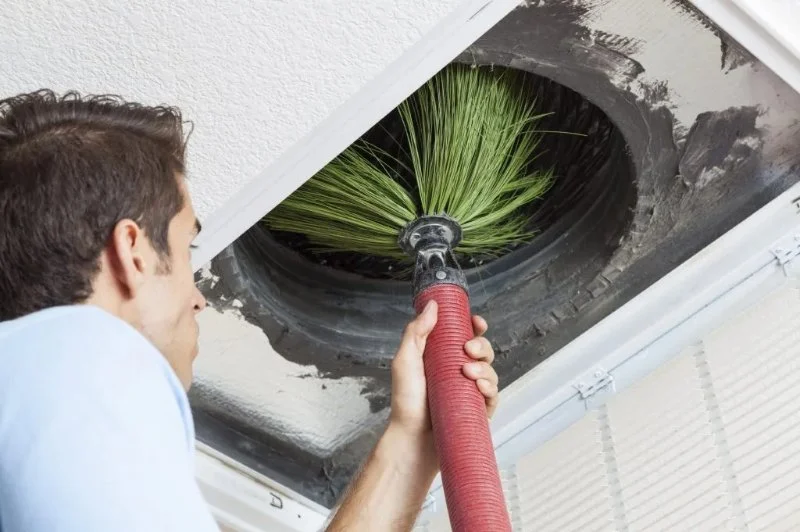
The Best Way to Clean and Maintain Your Air Conditioning Ductwork
Proper cleaning and maintenance of your air conditioning ductwork are essential for ensuring optimal performance and indoor air quality. Over time, dust, debris, and allergens can accumulate in your ducts, reducing airflow and efficiency, and even affecting the air quality inside your home or business. Regular cleaning and maintenance can improve the efficiency of your HVAC system, extend its lifespan, and promote healthier living conditions. In this article, we will explore the best methods for cleaning and maintaining your air conditioning ductwork, offering practical tips, expert advice, and helpful strategies to keep your system running smoothly.
- 1. Why Cleaning Ductwork Is Important
- 2. Signs Your Ductwork Needs Cleaning
- 3. Step-by-Step Ductwork Cleaning Process
- 4. Maintaining Your Air Conditioning Ductwork
- 5. Common Mistakes in Duct Cleaning and Maintenance
1. Why Cleaning Ductwork Is Important
Air conditioning ductwork plays a vital role in your HVAC system by distributing conditioned air throughout your home or business. Over time, however, dust, dirt, pet dander, and other debris can accumulate in the ducts, clogging filters and restricting airflow. This can result in decreased system efficiency, higher energy bills, and poorer air quality.
Regularly cleaning and maintaining your ductwork not only keeps the air circulating efficiently, but it also improves indoor air quality by reducing the amount of allergens and contaminants in the air. This is especially important for individuals with allergies, asthma, or other respiratory conditions, as clean ducts can help reduce triggers and improve overall health.

2. Signs Your Ductwork Needs Cleaning
There are several signs that indicate it may be time to clean your air conditioning ductwork. Some of the most common symptoms of dirty or clogged ducts include:
2.1 Reduced Airflow
If you notice that certain rooms in your home aren’t cooling or heating as effectively as others, it may be a sign of blocked or clogged ductwork. Reduced airflow can occur when debris accumulates in the ducts, making it harder for the air to circulate properly.
2.2 Increased Energy Bills
When your ducts are clogged, your HVAC system has to work harder to circulate air, which can increase energy consumption. If you see a noticeable spike in your utility bills, it could be an indicator that your air conditioning system is struggling due to dirty ducts.
2.3 Strange Odors
Odors circulating through the air when the AC is running may be a sign of mold or mildew growing in the ducts. Moisture trapped in the ducts can create an ideal environment for these microorganisms to thrive. If you notice musty smells, it’s important to clean the ducts to eliminate the source of the odor and prevent mold growth.
2.4 Visible Dust Around Vents
If you see dust, dirt, or debris accumulating around the vents when the air conditioning system is running, this could indicate a buildup inside the ducts. Regular cleaning can prevent the dust from spreading throughout your living spaces.
3. Step-by-Step Ductwork Cleaning Process
Cleaning your air conditioning ducts involves several steps to ensure they are properly cleaned and maintained. Here’s a general overview of the cleaning process:
3.1 Turn Off the HVAC System
Before beginning the cleaning process, always turn off your HVAC system. This prevents debris from circulating through the air while you are cleaning and ensures safety during the process.
3.2 Clean or Replace Air Filters
Air filters play a crucial role in trapping dust and debris before they enter the ductwork. Check the filters and clean or replace them as needed. This step helps to reduce the amount of debris that could be circulating through your system and also improves airflow.
3.3 Vacuum the Ducts
Using a specialized vacuum with a long hose, thoroughly clean the ducts by vacuuming up any dust, dirt, or debris. It’s important to ensure that the vacuum reaches all sections of the ductwork, including hard-to-reach areas, to remove as much debris as possible.
3.4 Clean the Duct Vents
Remove the vent covers and clean them by hand. Use a damp cloth or brush to remove dust and debris from the vents. Once cleaned, replace the covers and ensure they are securely attached.
3.5 Clean the Ductwork with a Brush
For a deeper cleaning, use a specialized duct cleaning brush to scrub the inside of the ducts. This will help remove any stubborn dirt, dust, and debris that the vacuum could not reach. Be sure to use gentle, controlled motions to avoid damaging the ducts.
3.6 Check for Mold or Mildew
If you find any mold or mildew, it’s important to clean it thoroughly with an antimicrobial cleaner. If the mold is extensive, consider calling in a professional to handle the cleaning and ensure that all traces of mold are completely removed.
4. Maintaining Your Air Conditioning Ductwork
In addition to periodic cleaning, there are several steps you can take to maintain your air conditioning ductwork and ensure it continues to operate efficiently:
4.1 Schedule Regular Inspections
Have your ductwork inspected at least once a year to check for any signs of damage, leaks, or blockages. Regular inspections can help catch problems early before they become more serious and costly to repair.
4.2 Seal Leaks and Insulate Ducts
Leaky ducts can result in a loss of airflow and energy efficiency. If you notice any holes or gaps in your ductwork, seal them promptly with duct tape or other specialized sealing materials. Insulating the ducts can also improve energy efficiency by preventing heat loss or gain during air distribution.
4.3 Keep the Area Around Vents Clean
Ensure that the area around your air vents is free from dust and debris. Regularly clean the surfaces around the vents to prevent dirt from being drawn into the ducts when the AC system is running.
5. Common Mistakes in Duct Cleaning and Maintenance
While cleaning and maintaining your air conditioning ducts can greatly improve your HVAC system’s performance, there are a few common mistakes that homeowners should avoid:
5.1 Using Harsh Chemicals
Using harsh chemicals to clean the ducts can cause damage to the ducts and potentially affect the air quality in your home. Always use gentle, non-toxic cleaners when cleaning your air ducts.
5.2 Ignoring Professional Help
Some issues with ductwork, such as mold growth, extensive blockages, or significant leaks, may require professional help. If you are unsure about the severity of the problem, don’t hesitate to call a licensed technician for assistance.
5.3 Neglecting Regular Maintenance
It’s important to remember that cleaning your ducts is not a one-time task. Regular maintenance and periodic cleaning are essential for keeping your HVAC system functioning properly and maintaining healthy air quality.
If you're looking for the best products and services to maintain your air conditioning system, visit Ac Fix for expert advice and high-quality options tailored to your needs.
 SMEJKAL ELECTRIC & AIR CONDITIONING4.0 (11 reviews)
 Blowin Cold AC5.0 (123 reviews)
 Sears Heating and Air Conditioning4.0 (499 reviews)
 Airworks Heating and cooling0.0 (0 reviews)
 Rescue Cooling Rentals4.0 (96 reviews)
 Solar Supply LLC4.0 (48 reviews)
 The Ultimate Checklist for Fixing Air Conditioning Successfully
 Who Should You Trust When You Need to Fix Central Air Conditioning?
 How to Diagnose and Repair Common AC Cooling Issues
 Everything You Need to Know Before You Replace Your Air Conditioning
 What to Do When You Need to Fix Air Conditioning Immediately
 The Ultimate Checklist to Fix Air Conditioning Successfully – Expert Tips and Solutions