
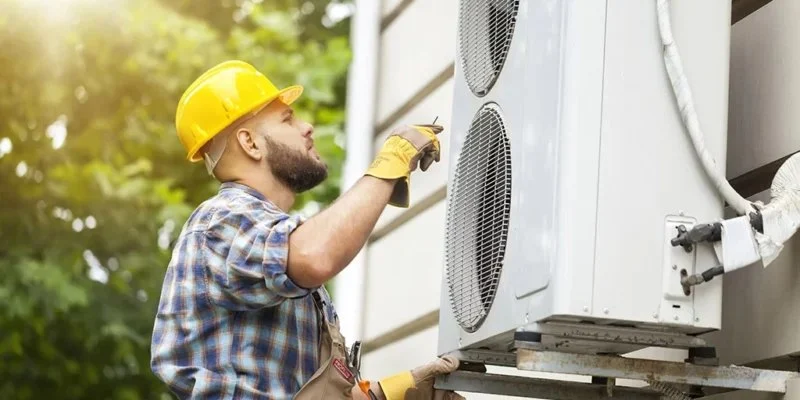
10 Signs It's Time to Fix Your AC Unit
- 1- Why Timely AC Repair Matters
- 2- 10 Signs That Indicate It's Time to Repair Your AC Unit
- 3- Common Causes of AC Issues
- 4- How to Prevent Future AC Problems
- 5- Choosing the Right AC Repair Service for You
- 6- Real-Life Case Study: Fixing an AC Unit at the Right Time
1. Why Timely AC Repair Matters
When the summer heat starts to soar, your AC unit is a lifesaver, keeping your home cool and comfortable. However, just like any appliance, your air conditioning system requires regular maintenance and repair to function optimally. Neglecting to address AC issues promptly can lead to more severe problems, higher repair costs, and even the need for a complete replacement. That's why it’s important to recognize the signs that your AC unit is in need of repair before it completely breaks down.
Knowing when it's time to fix your AC unit can help you avoid unnecessary frustration and expense, while also extending the lifespan of your system. Below, we’ll dive into the top signs that indicate it’s time to call in a professional for an AC repair service.
Appalachian Air LLC
MorgantownMonongalia CountyWest Virginia
1005 Hartman Run Rd, Morgantown, WV 26505, USA
2. 10 Signs That Indicate It's Time to Repair Your AC Unit
While your AC may still be blowing air, there are several key signs that it’s time to get it checked by a professional. Here are the top 10 signs that it’s time to fix your AC unit:
- 1. Warm Air Blowing from Vents: If your AC is blowing warm air instead of cool air, there could be an issue with the refrigerant levels or the compressor, which requires immediate attention.
- 2. Unusual Noises: Any grinding, squealing, or banging noises coming from your AC unit could indicate a mechanical problem, such as a loose fan belt or an issue with the motor.
- 3. Foul Odors: A musty or burning smell could be a sign of mold in the ducts or an electrical problem within the unit. This should be addressed immediately to avoid health hazards.
- 4. Poor Airflow: If you notice that the airflow is weak or uneven, it could mean a blockage in the air ducts or an issue with the blower fan.
- 5. High Humidity Levels: An AC unit’s job is not just to cool the air but to reduce humidity. If you feel that your home is becoming uncomfortably humid, it might be a sign your AC isn’t dehumidifying properly.
- 6. Frequent Cycles: If your AC unit is constantly cycling on and off, it could indicate a problem with the thermostat or the compressor, which needs professional repair.
- 7. Water Leaks: Water pooling around your AC unit is a sign of a blocked drain line or a refrigerant leak. Left unchecked, this could lead to water damage or even a complete system failure.
- 8. High Energy Bills: A sudden increase in your energy bills could be due to an inefficient AC system. This could be caused by worn-out components or improper functioning of the system.
- 9. AC Unit Not Turning On: If your AC unit fails to start, the problem could be electrical. This could involve issues with the wiring, circuit breaker, or the thermostat.
- 10. The System is Over 10 Years Old: Even if your AC seems to be working fine, if it’s over a decade old, it may be time for a tune-up or replacement. Older units tend to be less efficient and more prone to breakdowns.
Any of these signs could indicate that your AC unit needs attention. Ignoring these warning signs can lead to more expensive repairs or even the need for a full replacement. If you're noticing any of these issues, it's best to contact an AC repair professional sooner rather than later.
ACA Appliance & Air Conditioning
PO Box 1611, 325 TX-29, Bertram, TX 78605, USA
3. Common Causes of AC Issues
Understanding the common causes of AC problems can help you identify and address issues early. Some of the most frequent causes of AC malfunctions include:
- Refrigerant Leaks: Low refrigerant levels can prevent your AC from cooling effectively. Leaks often occur due to worn-out parts or damage to the refrigerant lines.
- Dirty Air Filters: Clogged air filters can restrict airflow, causing your AC to work harder and leading to poor performance or even breakdowns.
- Frozen Coils: Ice buildup on the evaporator coils can restrict airflow, making it difficult for the AC to cool your home efficiently. This can happen due to restricted airflow or low refrigerant levels.
- Faulty Thermostat: If your thermostat is malfunctioning, it may cause the AC to cycle improperly or fail to maintain the desired temperature in your home.
- Electrical Issues: Wiring problems or electrical components that wear out over time can cause the AC to malfunction, including failure to turn on or shutting off unexpectedly.
Identifying the underlying cause of your AC issue can help ensure that it’s repaired correctly and prevent future problems. A professional AC technician can accurately diagnose the problem and fix it before it worsens.
4. How to Prevent Future AC Problems
Regular maintenance can significantly reduce the likelihood of major AC problems. Here are some proactive measures you can take to keep your AC in top condition:
- Regularly Change Air Filters: Replacing your air filters every 1-3 months helps ensure proper airflow and prevents dust buildup that could damage the system.
- Schedule Annual Inspections: Have a professional technician perform an annual inspection to identify and address any potential issues before they become serious problems.
- Keep the Area Around Your AC Clean: Ensure that the area around the outdoor unit is free of debris, leaves, and other obstructions to maintain proper airflow.
- Ensure Proper Insulation: Make sure your home is well-insulated, as poor insulation can make your AC work harder and reduce its efficiency.
By staying on top of regular maintenance, you can extend the life of your AC unit and reduce the chances of costly repairs in the future.
5. Choosing the Right AC Repair Service for You
When it’s time to repair your AC unit, choosing the right repair service is crucial. Here are a few tips to help you find a reputable service:
- Check Reviews: Look up customer reviews and ratings to get a sense of the service quality.
- Get Multiple Quotes: It’s always a good idea to get quotes from multiple repair services to ensure you’re getting a fair price.
- Verify Credentials: Ensure that the repair service is licensed and insured to handle AC repairs professionally.
- Ask About Warranties: A reliable company will offer warranties on their work, giving you peace of mind that the job will be done right.
By taking the time to choose a reputable repair service, you can ensure your AC gets the attention it needs without overpaying for unnecessary services.
6. Real-Life Case Study: Fixing an AC Unit at the Right Time
Let’s consider the case of Emily, a homeowner who noticed that her AC unit was blowing warm air during a particularly hot summer. She was initially hesitant to call in a professional, but after noticing the temperature rising in her home, she decided to get an inspection. The technician discovered that her refrigerant levels were low due to a leak in the system. Thankfully, the issue was caught early, and the repair cost was relatively minor. If she had waited longer, the system might have failed completely, leading to a more expensive repair or even a full replacement.
This experience shows how important it is to recognize the signs of a malfunctioning AC unit and take action promptly to avoid higher repair costs.


 Iron City Heating and Air, Inc4.0 (38 reviews)
 Charlie's Heating & Air5.0 (2 reviews)
 Home Services at The Home Depot4.0 (9 reviews)
 Langley Heating and Air, Inc. Wake Forest, NC.5.0 (259 reviews)
 Twin Enterprise HVAC Division0.0 (0 reviews)
 SOS Air Conditioning, Heating & Electrical5.0 (29 reviews)
 Complete Guide: Fix AC Unit for Homeowners in 2025
 What to Do When You Need to Fix Air Conditioning Immediately | Ac Fix
 Best Air Conditioner Repair Services Near You Today | AC Fix
 Can You Fix an AC Condenser Without Replacing the Entire System? Insights and Solutions
 How Long Should It Take to Fix an Air Conditioner? Time Expectations and Common Issues
 How to Fix Your AC Without Spending a Fortune: Expert Tips & DIY Solutions