
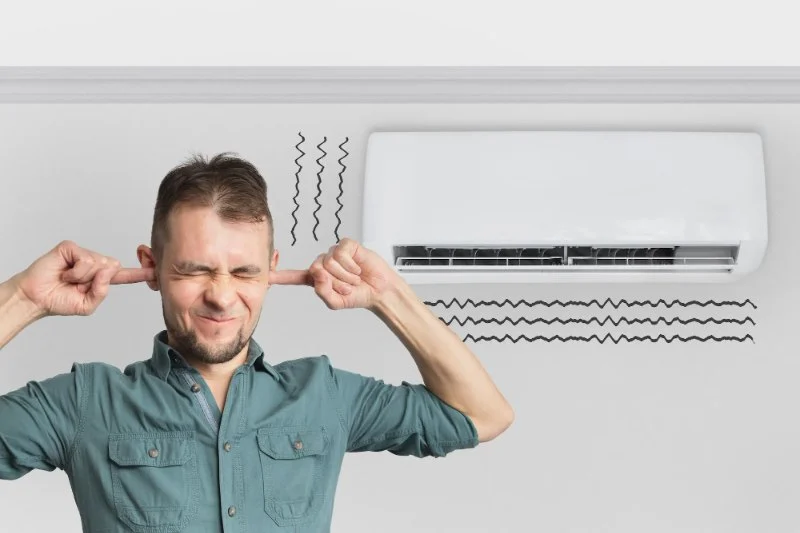
- 1-Identifying-the-Source-of-AC-Buzzing
- 2-Common-Causes-of-Noisy-Air-Conditioners
- 3-Simple-DIY-Fixes-for-Buzzing-AC-Units
- 4-When-to-Call-a-Professional
- 5-Prevention-Tips-for-Long-Term-Quiet-AC
1. Identifying the Source of AC Buzzing
Before attempting any repair, pinpointing the source of your air conditioner's buzzing is crucial. The noise can originate from the compressor, fan, or electrical components. Observing when the buzzing occurs—during startup, constant operation, or only at high settings—can help determine the underlying issue.
1.1 Listening for Patterns
Buzzing that follows a rhythmic pattern often points to loose components or vibration issues. Irregular buzzing may indicate electrical problems.
1.2 Checking External Factors
Sometimes, debris, such as leaves or dirt around the outdoor unit, can contribute to unwanted noises. Simple cleaning may reveal the root cause without needing extensive repairs.
2. Common Causes of Noisy Air Conditioners
2.1 Loose or Worn Components
Over time, screws, brackets, and fan blades can loosen. This causes rattling or buzzing sounds, especially when the unit vibrates during operation.
2.2 Electrical Issues
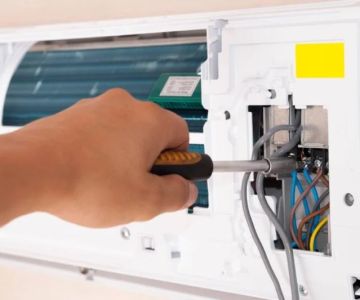
Buzzing may signal problems with the AC's capacitor, contactor, or wiring. Electrical issues require careful attention to avoid potential hazards.
2.3 Refrigerant Problems
Low refrigerant levels can lead to abnormal noises as the system struggles to circulate the coolant efficiently.
3. Simple DIY Fixes for Buzzing AC Units
3.1 Tightening Loose Parts
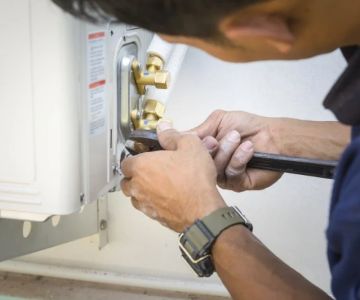
Turn off the AC and carefully check screws, brackets, and fan blades. Tightening these components often reduces vibrations and buzzing.
3.2 Cleaning the Unit
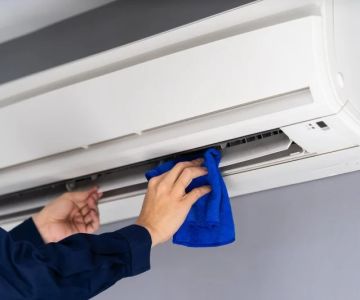
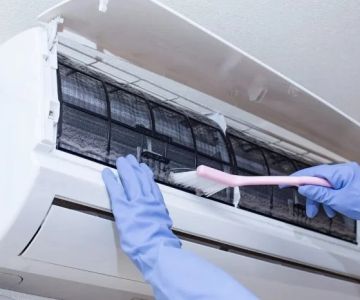
Remove debris from both the indoor and outdoor units. Clear vents, coils, and fans to restore smoother operation and reduce noise.
3.3 Lubrication
Some fan motors and moving parts may benefit from lubrication. Use manufacturer-recommended lubricants to prevent wear and quiet operation.
4. When to Call a Professional
4.1 Persistent Electrical Buzzing
If buzzing continues despite tightening and cleaning, it may indicate an electrical issue. Contacting an HVAC professional like Ac Fix ensures safety and proper repair.
4.2 Compressor or Refrigerant Concerns
AC compressors and refrigerant lines are sensitive and require specialized tools. Professionals can diagnose leaks or replace faulty components safely.
4.3 Case Example
A homeowner experienced constant buzzing even after tightening screws. An Ac Fix technician discovered a failing capacitor, replaced it, and restored quiet, efficient cooling within an hour.
5. Prevention Tips for Long-Term Quiet AC
5.1 Regular Maintenance
Schedule annual HVAC checkups. Professional inspections catch early signs of wear or electrical problems before they cause persistent buzzing.
5.2 Keep the Unit Clean
Monthly cleaning of filters, coils, and fans reduces strain on the system and prevents noises caused by debris buildup.
5.3 Monitor for Early Signs
Pay attention to new sounds. Addressing minor issues immediately can prevent major repairs and maintain a quiet AC experience.

 Emission & Cooling Solutions5.0 (95 reviews)
 2 Cool Air Conditioning4.0 (576 reviews)
 Hattiesburg Tire & Service5.0 (2 reviews)
 Boggs Cooling & Heating Ltd Co4.0 (100 reviews)
 Travis Webb HVAC4.0 (24 reviews)
 Ace Commercial Equipment Repairs4.0 (10 reviews)
 How to Fix a Leaking Drain Line in Your Air Conditioner
 How to Troubleshoot an Air Conditioner That’s Not Blowing Cold Air
 Complete Guide to AC Fix for Homeowners in 2025
 Complete Guide: Fix AC Unit for Homeowners in 2025
 How to Solve Air Conditioner Problems Without the Help of a Professional Technician
 Can You Fix My AC Without Replacing the Entire System? Expert Solutions Explained