
How to Repair an Air Conditioner That Won’t Cool Your Home Properly
- 1. Common Causes of AC Cooling Problems
- 2. Step-by-Step Repair Guide
- 3. When to Call a Professional for AC Repair
- 4. Preventive Maintenance Tips for Your AC
### 1. Common Causes of AC Cooling Problems When your air conditioner fails to cool your home properly, there can be various underlying causes. Some of the most common issues include:
1. Low Refrigerant Levels: The most common reason for insufficient cooling is a lack of refrigerant. A refrigerant leak or undercharge will hinder the cooling process.
2. Dirty Air Filters: When the air filters are clogged, airflow is restricted, preventing the AC from cooling effectively. Regular filter replacement is crucial for optimal performance.
3. Frozen Evaporator Coils: Dirty coils or insufficient airflow can cause the evaporator coils to freeze, leading to a lack of cooling.
4. Faulty Thermostat: If your thermostat is malfunctioning, it may cause the AC to run inefficiently or not cool the space properly.
5. Dirty Condenser Coils: Dust and debris buildup on the condenser coils can affect the AC’s ability to release heat, reducing its cooling efficiency.
### 2. Step-by-Step Repair Guide Follow these steps to diagnose and potentially fix the cooling issue in your AC unit:
1. Check the Thermostat Settings: Ensure that the thermostat is set to "cool" and that the temperature is set lower than the room temperature. Sometimes, the issue can be as simple as an incorrect setting.
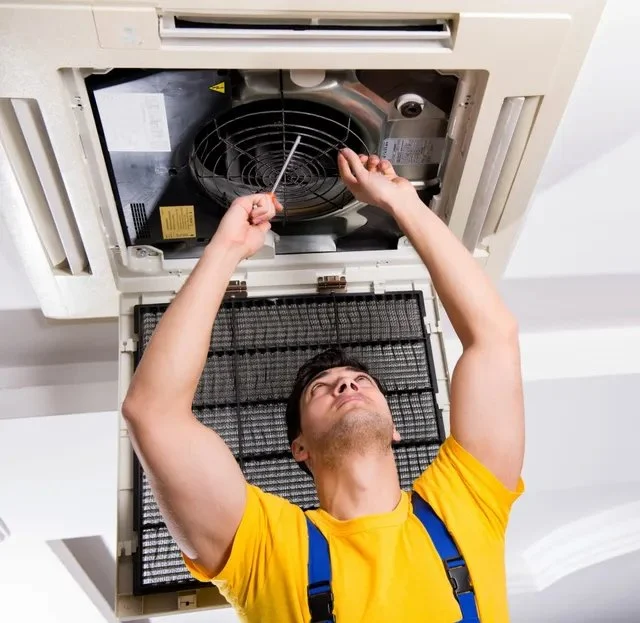
2. Clean or Replace the Air Filter: A dirty air filter restricts airflow, causing cooling issues. Clean or replace the filter to restore optimal airflow and cooling efficiency.
3. Inspect the Coils: Turn off the power to the AC and check the evaporator and condenser coils. If either is dirty, clean them carefully. A frozen evaporator coil should thaw before proceeding with other repairs.
4. Check for Refrigerant Leaks: Low refrigerant levels often indicate a leak. If you suspect this, it’s best to call a professional to inspect and recharge the system.
5. Inspect the Condenser: Clear away any debris that may have accumulated around the condenser unit. Dirt, leaves, or branches can obstruct airflow and reduce cooling efficiency.
6. Reset the Circuit Breaker: If the air conditioner is not turning on, check the circuit breaker to ensure it hasn’t tripped. Resetting the breaker may restore power to the unit.
### 3. When to Call a Professional for AC Repair While some AC repairs can be performed by homeowners, there are situations where a professional should be called:
1. If You Suspect a Refrigerant Leak: Handling refrigerant requires special tools and knowledge. A licensed HVAC technician should handle the repair to ensure safety and compliance with environmental regulations.
2. Frozen Evaporator Coils That Don’t Thaw: If your evaporator coils are frozen and won’t thaw, it may indicate a deeper issue with your AC’s internal components.
3. AC Unit Won’t Start: If your air conditioner fails to turn on, it could be due to electrical issues, a blown fuse, or other complex problems. A professional can diagnose and fix the issue safely.
### 4. Preventive Maintenance Tips for Your AC To ensure your air conditioner continues to run efficiently and effectively, follow these preventive maintenance tips:
1. Clean Air Filters Regularly: Replace or clean your air filters every 1-3 months depending on usage. This helps maintain optimal airflow and prevents dust buildup inside the system.
2. Schedule Annual Professional Inspections: Have an HVAC technician inspect your AC unit annually to check for potential problems and ensure it is functioning properly.
3. Clean the Coils: Both the evaporator and condenser coils should be cleaned regularly to prevent dirt buildup that can reduce efficiency.
4. Keep the Area Around the AC Clean: Ensure that there is no debris blocking the condenser unit or air intake. Regularly remove dirt, leaves, and grass from the unit’s surroundings.
5. Maintain Proper Insulation: Ensure that ducts are well-insulated to prevent cool air from escaping and reduce the strain on your AC.

 Duke Air Heating and Air Conditioning5.0 (4 reviews)
 ALLBREEZE AIR-CONDITIONING REFRIGERATION HEATING0.0 (0 reviews)
 McLeod's Air Conditioning & Refrigeration, Inc.4.0 (19 reviews)
 Jordan Comfort Solutions5.0 (72 reviews)
 Moore HVAC Solutions4.0 (65 reviews)
 Lickety Split AC, Plumbing & Electric4.0 (3944 reviews)
 The Ultimate Checklist to Fix Air Conditioner Near Me Successfully
 How to Find the Right AC Repair Professional for Homeowners in 2025
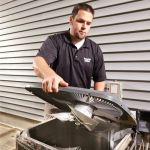 Experts Explain How to Fix AC Unit Like a Pro – Professional Tips and Real Cases
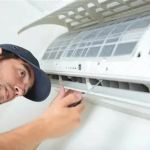 How to Fix AC Unit Like a Pro: Expert Tips for Homeowners
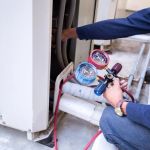 How to Diagnose and Repair Your AC’s Refrigerant Problems
 How to Extend the Life of Your Air Conditioner with Routine Care